

Iceland ~ Travel Guides
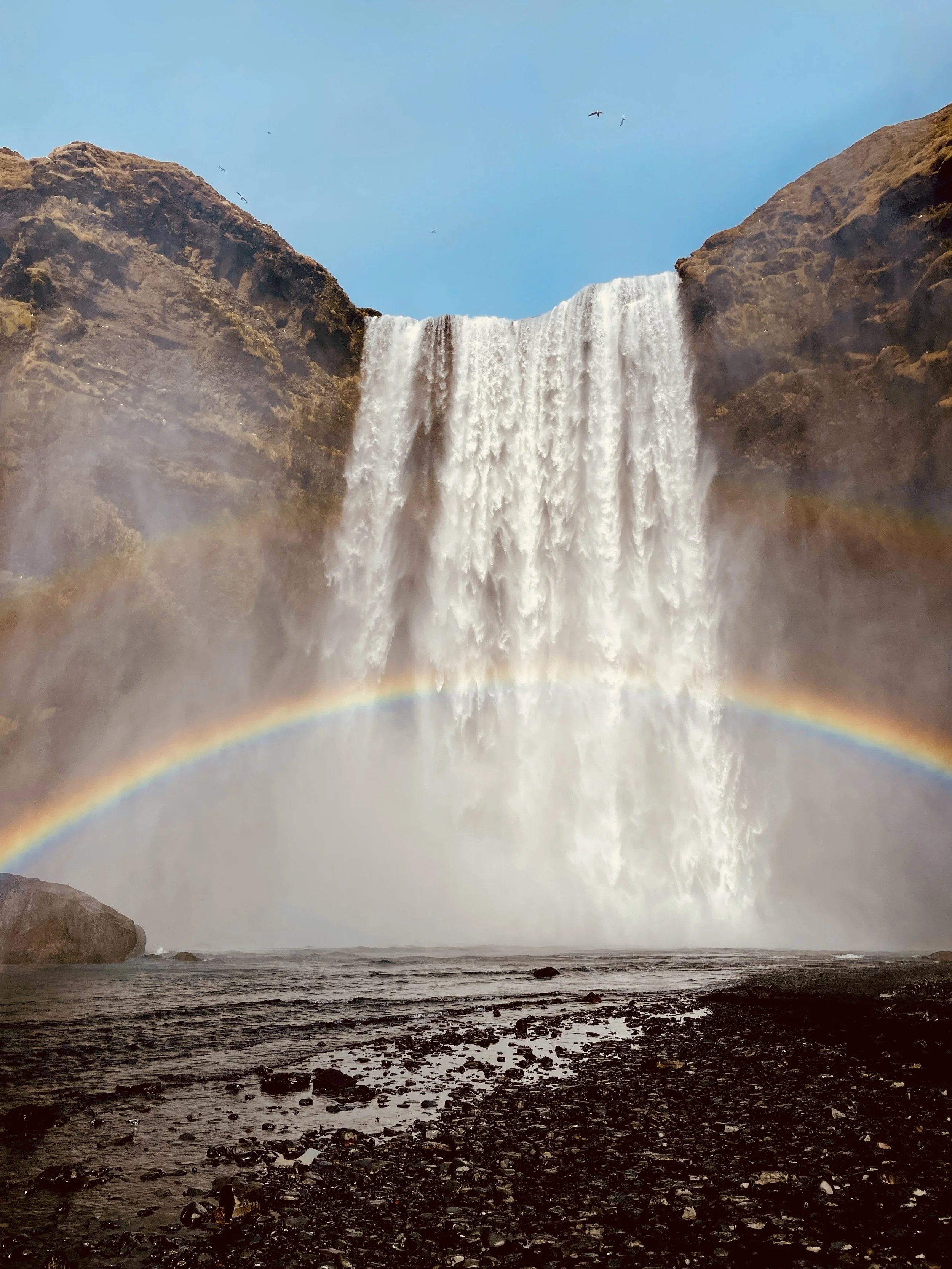
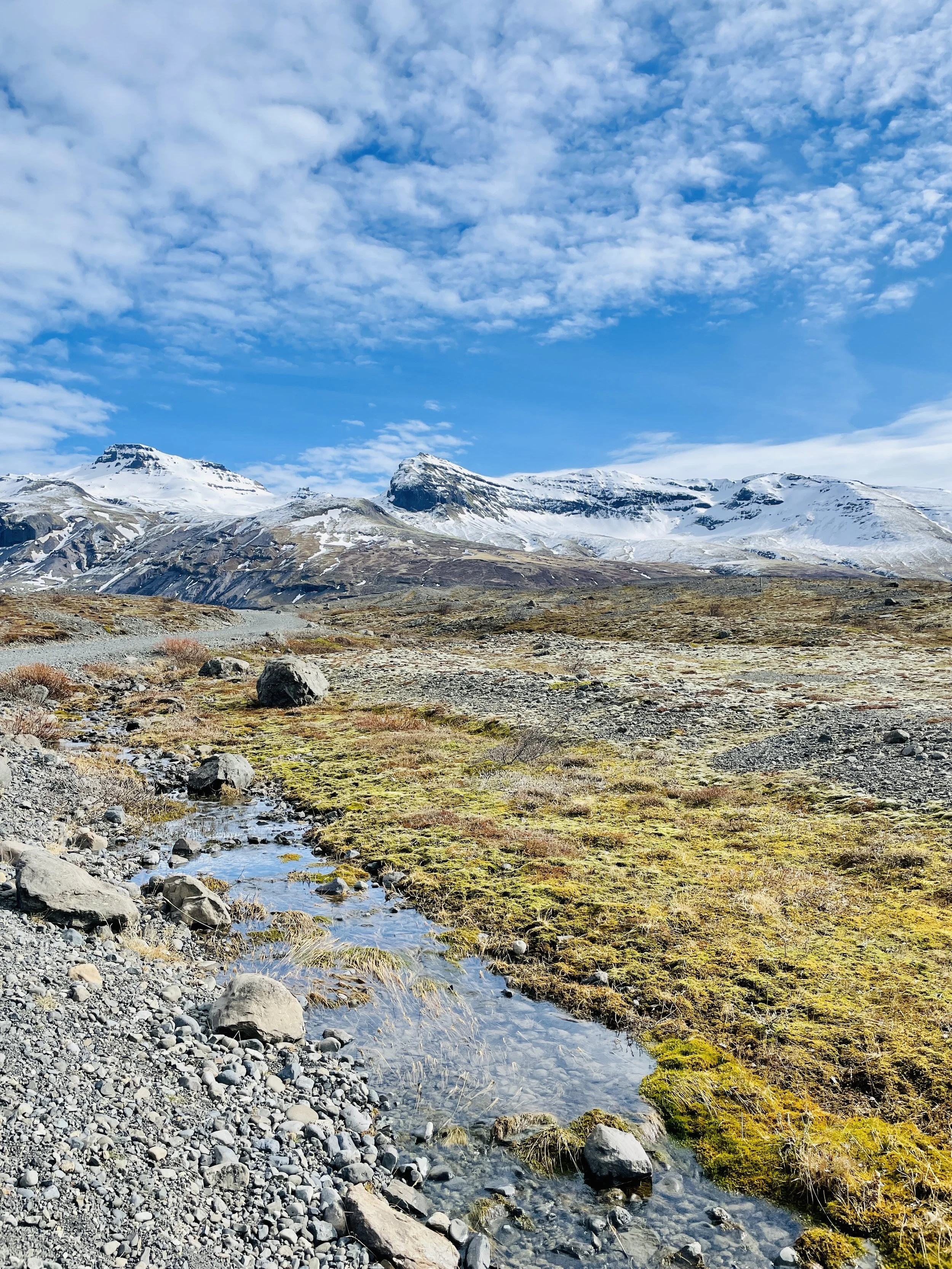
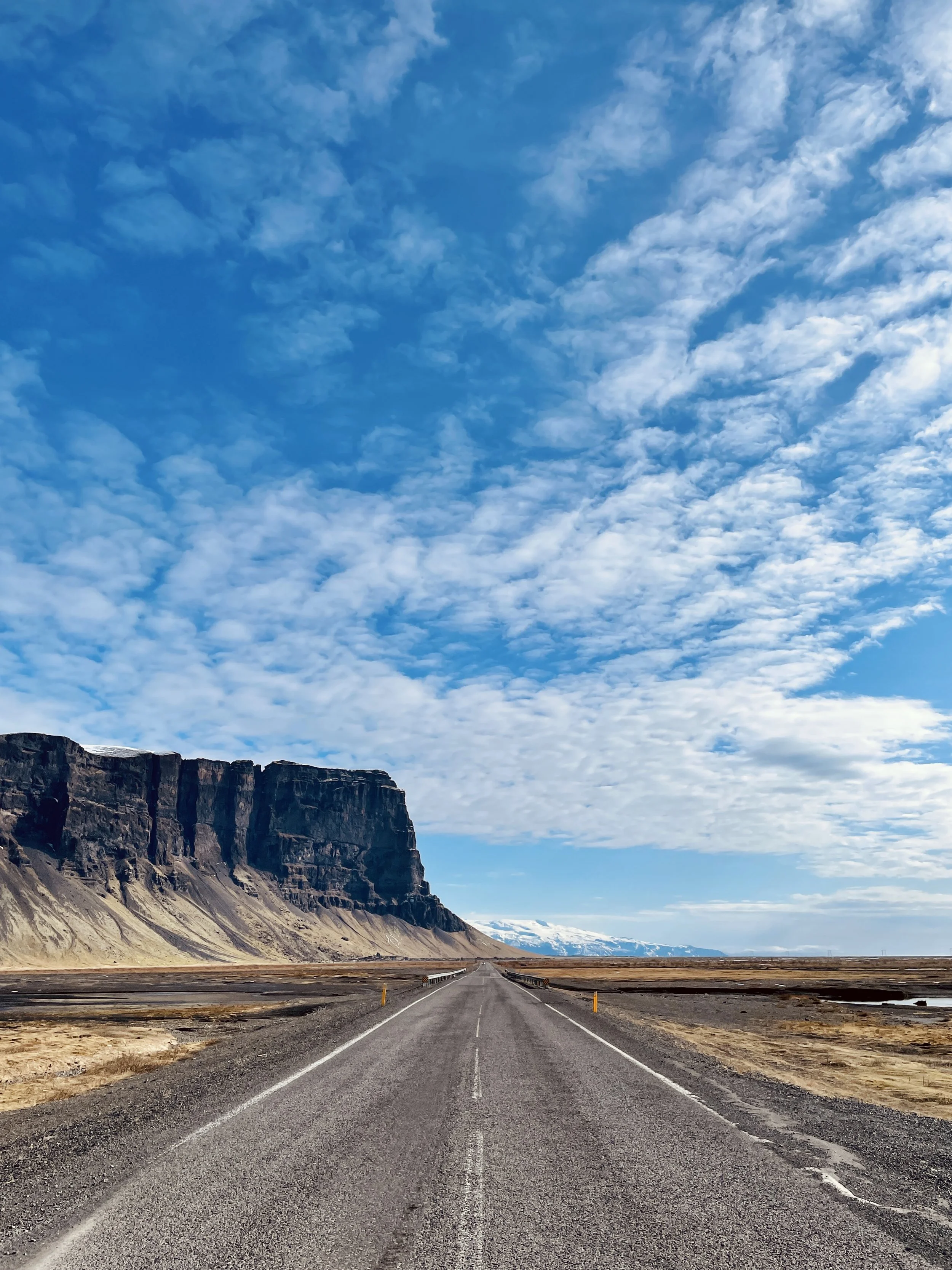
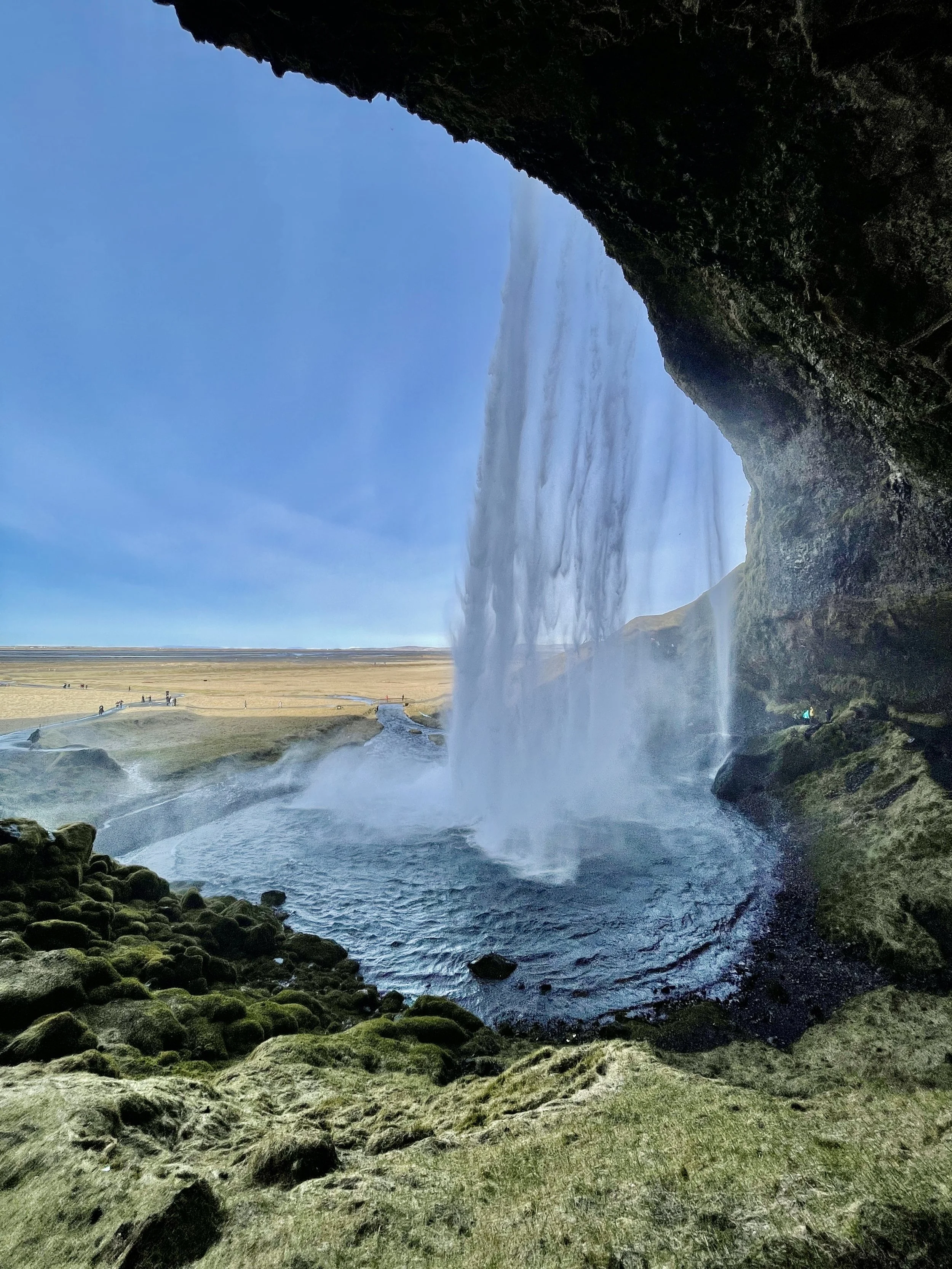
Iceland is a Nordic island nation in the North Atlantic, known for its volcanic landscapes, geothermal activity, and unspoilt nature. Reykjavík, the world’s northernmost capital, is the cultural and economic centre, while much of the country remains sparsely populated. Iceland is not part of the EU but is in the Schengen Area and uses the Icelandic króna. Icelandic is the official language, though English is widely spoken. The country has a subarctic climate with cold winters and cool summers, though the Gulf Stream keeps temperatures milder than expected. Key natural attractions include waterfalls, glaciers, hot springs, lava fields, and the Northern Lights in winter. The Ring Road offers a popular route around the island, best done by car. Public transport is limited outside the capital. Iceland is known for its strong environmental protections and clean energy, with most power coming from geothermal and hydro sources. While prices are high, the country is safe, well-organised, and ideal for travellers seeking remote adventure, dramatic scenery, and unique geological phenomena.
As we move through 2026, the world has never felt more accessible or full of specialised wonders. From the long-awaited unveiling of massive cultural archives in Egypt to the rare astronomical peak of the Northern Lights, this year offers a unique alignment of events for the intentional traveller. Whether you are looking for the raw geological power of an active volcano in Japan or the silent, mirrored modernism of the Saudi desert, these twelve destinations represent the absolute pinnacle of global adventure for the current calendar year.