
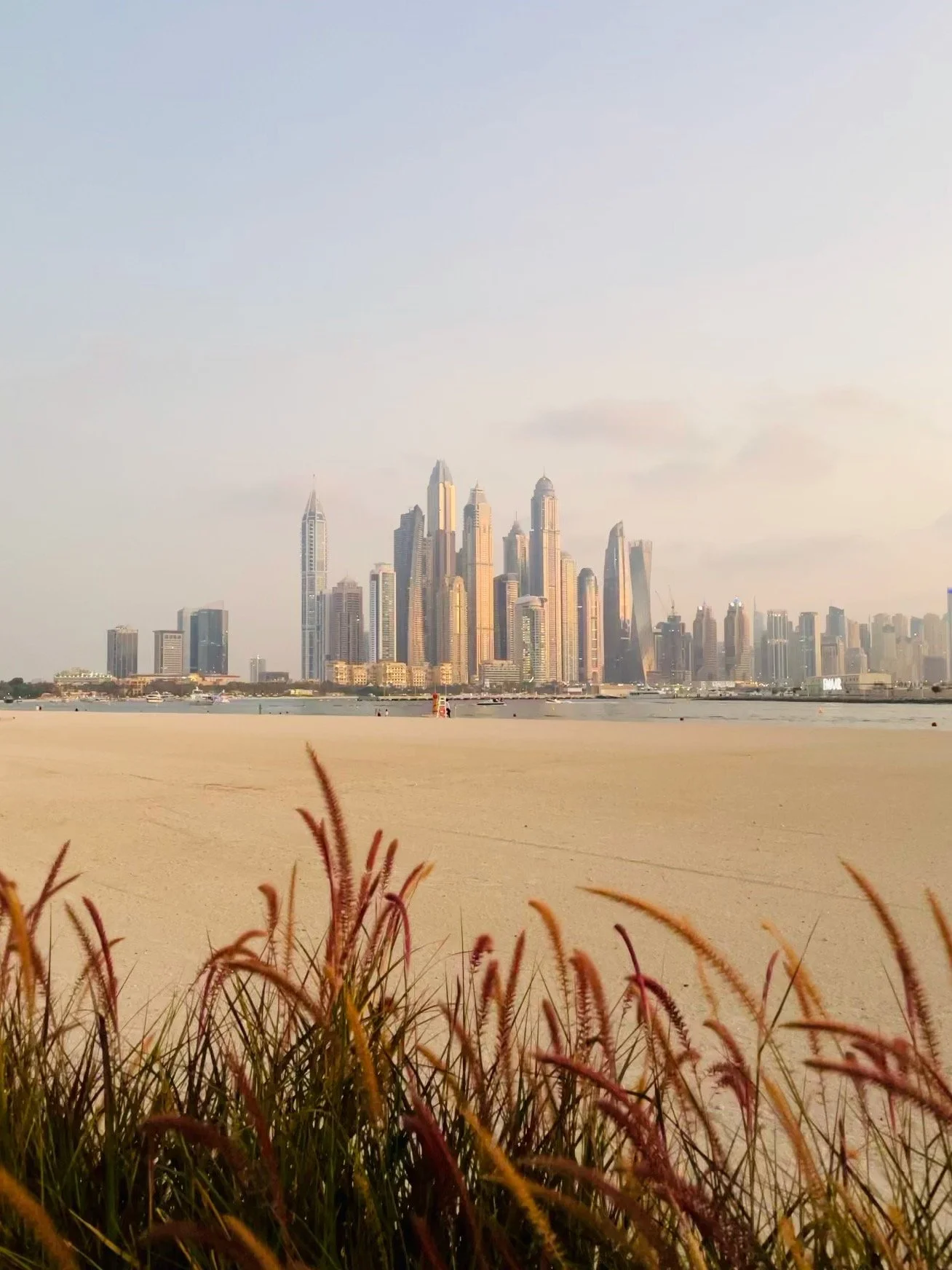
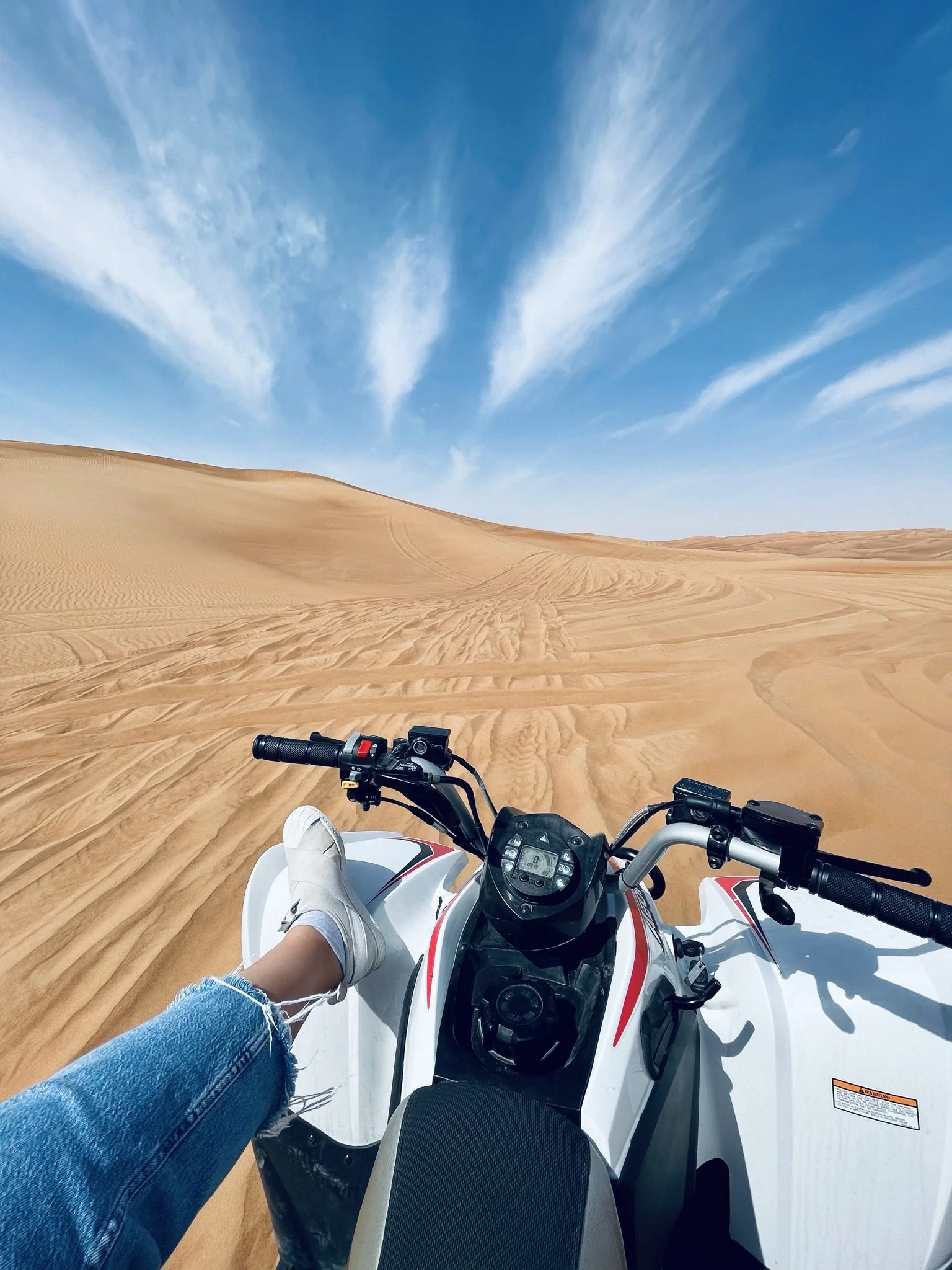


DISCOVER THE MIDDLE EAST
The Middle East is my second home—something I never thought I’d say! This region, spanning 17 diverse countries including Jordan, Iraq, Lebanon, and Syria, contains some of the most misunderstood destinations in the world. While decades of political instability have kept many away, there are countless safe, breathtaking places to explore. In 2019, Saudi Arabia opened its borders to international tourists, unveiling hidden gems that made my bucket list even longer.
The UAE—home to Abu Dhabi and Dubai—offers a world-class 5-star lifestyle, with both cities consistently ranked among the safest in the world. Meanwhile, in Jordan, you can float in the Dead Sea and experience life off the grid in the desert, living among Bedouins under the stars. I've had so many unforgettable experiences in the Middle East, and I’ve only just scratched the surface!
BEST TIME TO TRAVEL
The best time to visit the Middle East is between October and April, when the temperatures are comfortable during the day and the rain is minimal. However, nights can get quite chilly, especially if you’re staying in the desert, so it's wise to pack layers. The summer months of July and August can be unbearably hot, with temperatures soaring to 45°C in some countries. With the added humidity, it can feel like it’s over 50°C, making outdoor activities challenging.
It's also important to consider the timing of Ramadan, as the Middle East is predominantly a Muslim region. Travelling during this holy month can offer a unique cultural experience, but it may affect opening hours for shops, restaurants, and attractions. Be mindful of local customs and practices, particularly regarding eating and drinking in public during daylight hours.
TOP TIPS
The Middle East is home to conservative cultural norms, especially regarding attire and mannerisms. It’s important to dress modestly, particularly in religious or rural areas. While some countries may have stricter guidelines, such as covering shoulders and knees, it's wise to check local customs and regulations before you travel. By doing so, you'll ensure you’re fully prepared and respectful of the traditions in each country.
Arabic is the predominant language across the region, but English is commonly spoken in hotels, tourist attractions, and larger cities, making communication easier for travellers. In the United Arab Emirates, English is often the primary language for business and daily interactions. While most people understand and speak English to some extent, learning a few basic Arabic phrases can enhance your experience and show respect for the local culture.
It's also helpful to be aware that Islamic customs play a significant role in daily life, which can influence things like prayer times and the availability of services. Keeping these practices in mind will allow you to navigate your trip with more awareness and appreciation for the region’s rich cultural traditions.
TRAVEL GUIDES
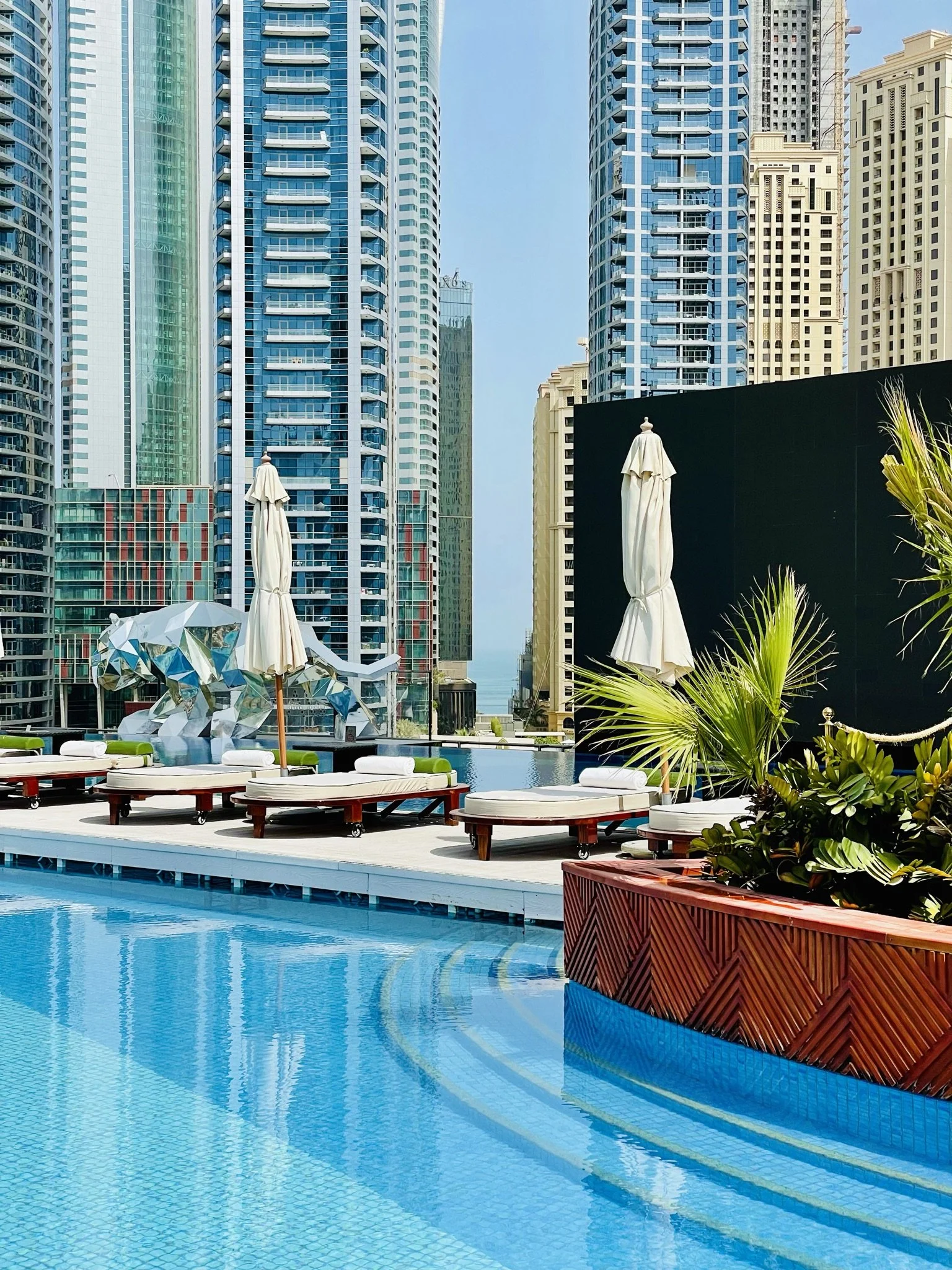
Whenever I arrive in a new destination, my first instinct is to find the highest vantage point possible. Whether it’s trekking up a rugged mountain trail or taking a high-speed lift to the top of a skyscraper, gaining that initial elevation is essential for gathering my bearings and truly understanding the scale of a city. In a place as architectural and sprawling as Dubai, this perspective is transformative; it allows you to see how the intricate veins of the motorways connect the futuristic skyline to the vast, golden desert beyond.
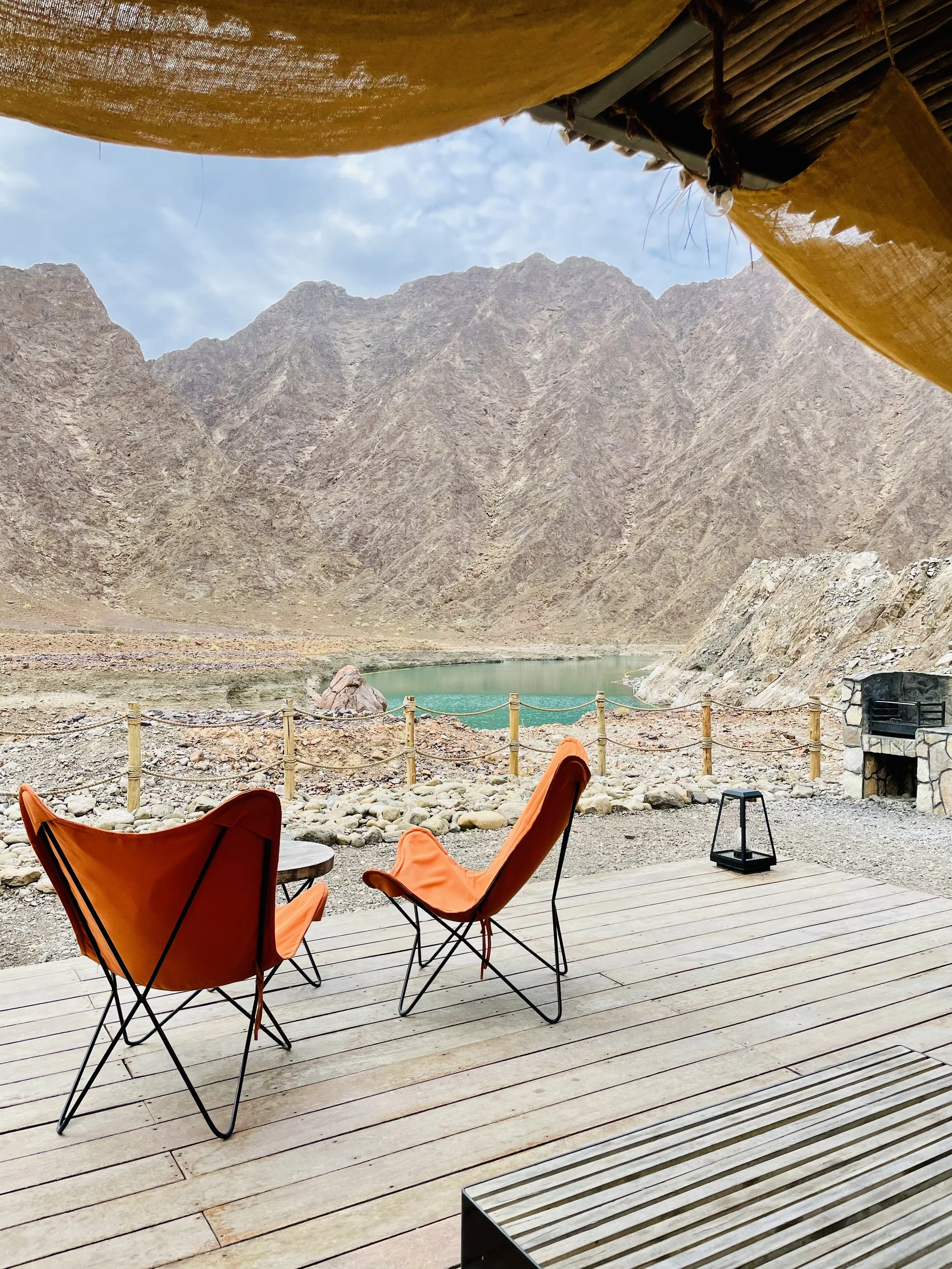
Around 90 minutes from Downtown Dubai, Hatta offers a completely different side to the emirate. Surrounded by the Hajar Mountains near the Oman border, this mountain town is known for its rugged landscapes, outdoor adventures and cooler climate. Once a quiet farming community, it has become one of Dubai's most popular destinations for hiking, kayaking and weekend escapes.
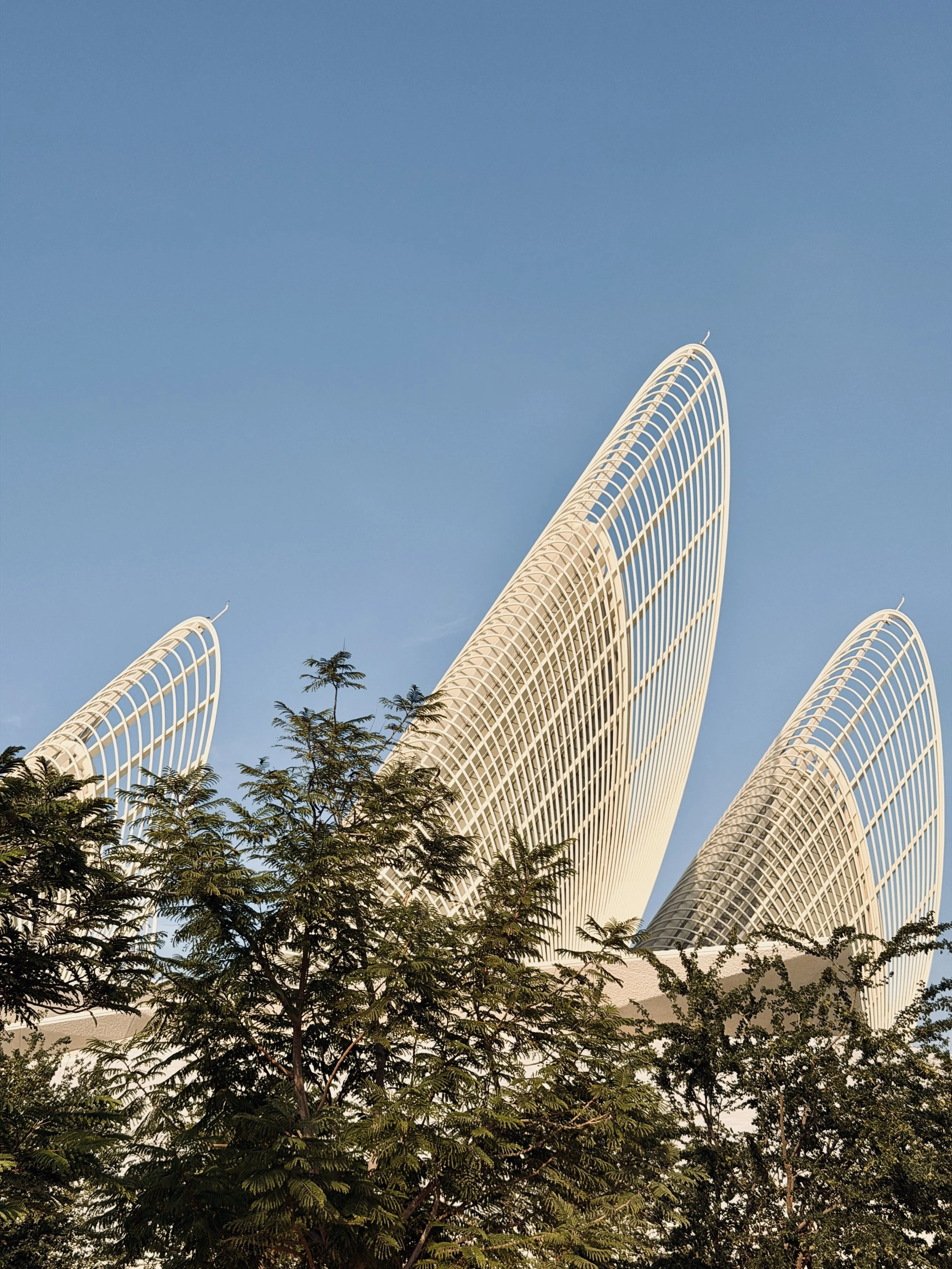
Zayed National Museum is the national museum of the United Arab Emirates and one of the most significant cultural institutions in Abu Dhabi. Located in the Saadiyat Cultural District, the museum is dedicated to the life, values and legacy of Sheikh Zayed bin Sultan Al Nahyan, the founding father of the UAE. It also tells the wider story of the country’s history, culture, environment and people, from the earliest human settlements to the modern nation.

Bussola marked its 20th anniversary last weekend, an impressive milestone for any Dubai restaurant, especially in a city that moves as fast as this one. When Bussola first opened, it stood alone on the beachfront long before the current marina skyline or the new Dubai Harbour existed. Today it sits within The Westin Dubai Mina Seyahi, yet it has kept the same consistency and familiarity that long-term residents will recognise instantly. If you have lived in Dubai for a while, you will know it is one of the few places that never disappoints, and it is somewhere people naturally return to.

Dubai's luxury scene just got a significant upgrade with the arrival of Iliana, the glamorous new Greek-Mediterranean destination nestled within the breathtaking Jumeirah Marsa Al Arab. Inspired by the simple elegance and vibrant flavours of the Cycladic islands, Iliana first opened its doors earlier this year, quickly establishing itself as a sophisticated, three-part venue. From its chic restaurant offering authentic coastal cuisine and its luxurious pool club perfect for day-long relaxation, Iliana is already a must-visit. Yet, the final, and perhaps most anticipated, element of this concept has just been unveiled: the stunning Iliana rooftop.
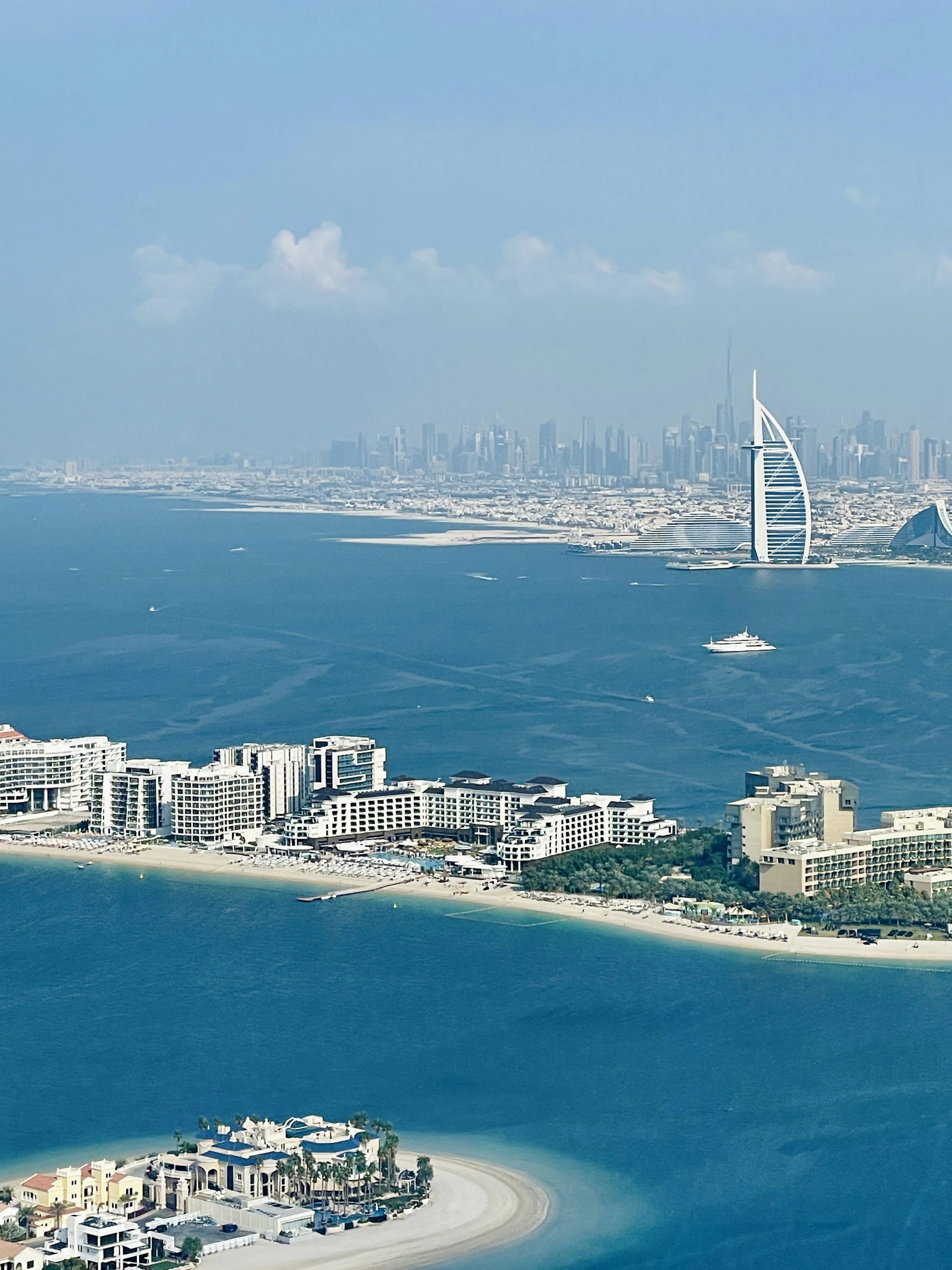
If you only have two days in Dubai, planning your time carefully is essential to make the most of your short stay. The city is packed with towering modern landmarks, historic neighbourhoods, traditional souks, world-class dining, and desert adventures, meaning it’s easy to feel overwhelmed by choice. This insider’s itinerary is designed to highlight the experiences and attractions that can realistically fit into 48 hours, combining the city’s most iconic sights with local favourites that give a true sense of Dubai’s character.
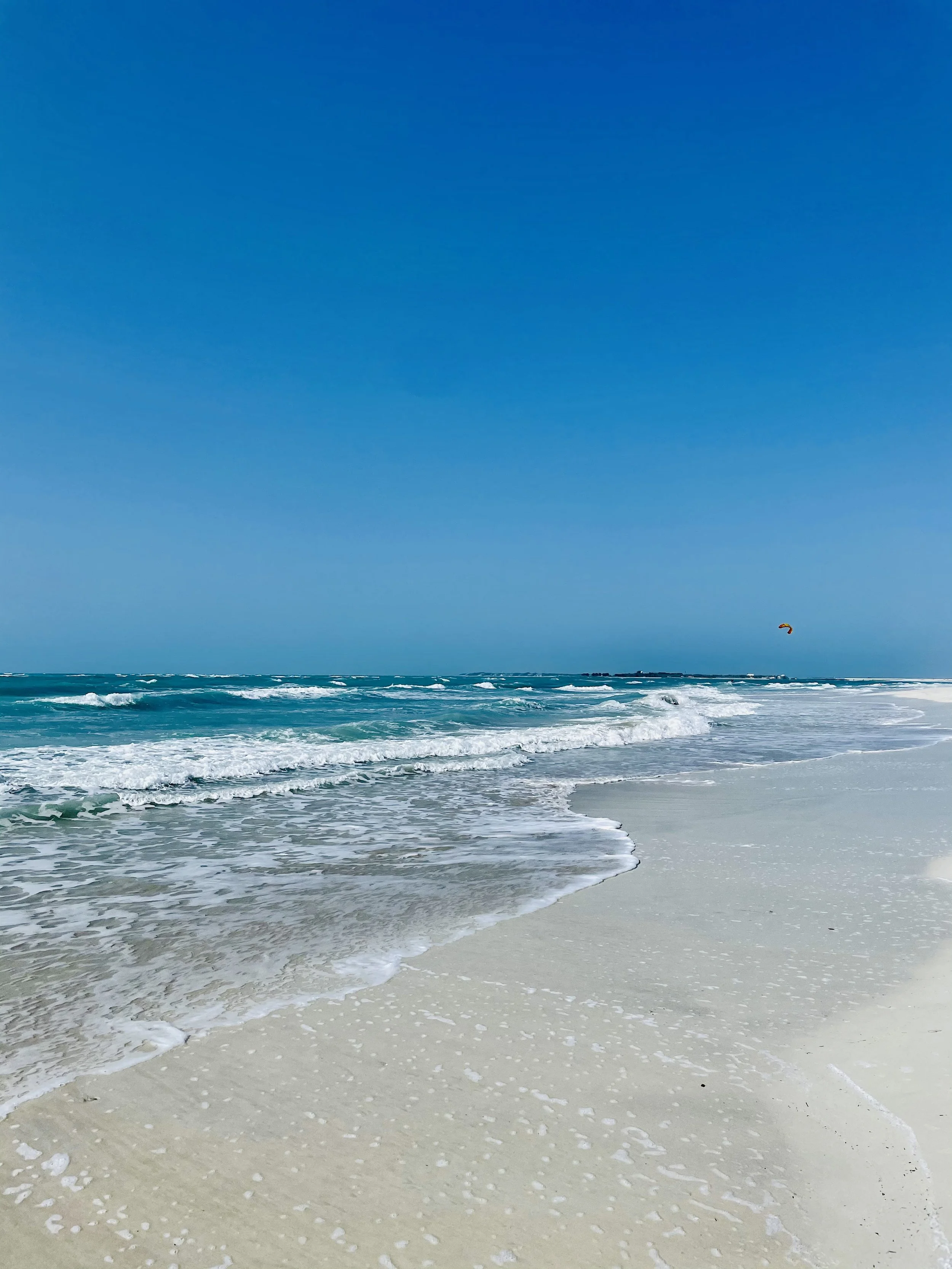
Abu Dhabi, the capital of the United Arab Emirates, sits on an island along the Arabian Gulf and offers a different pace from the energy of Dubai. It is a modern city that has grown rapidly since the discovery of oil in the 20th century, transforming from a small fishing village into a hub of culture, business, and leisure. Despite its modern skyline, Abu Dhabi feels quieter, more relaxed, and family-oriented compared to Dubai’s buzz. Every time I visit, it feels like an escape from the city rush, with wide roads, green spaces, and calm beaches.

Perched 2,000 metres above sea level on Oman’s Green Mountain, Hotel Indigo Jabal Akhdar Resort & Spa is the ultimate summer escape from the desert heat. Often called the Grand Canyon of the Middle East, this rugged plateau offers a completely different world just a few hours from Dubai. We left 42-degree heat behind and arrived to crisp 28-degree temperatures in August, with refreshing rain showers and cool breezes we hadn’t felt in months. Being able to sit outdoors comfortably, surrounded by dramatic canyons and terraced villages, felt incredible. The hotel sits right on the edge of the mountain, offering uninterrupted views across deep gorges and rocky peaks that stretch for miles.
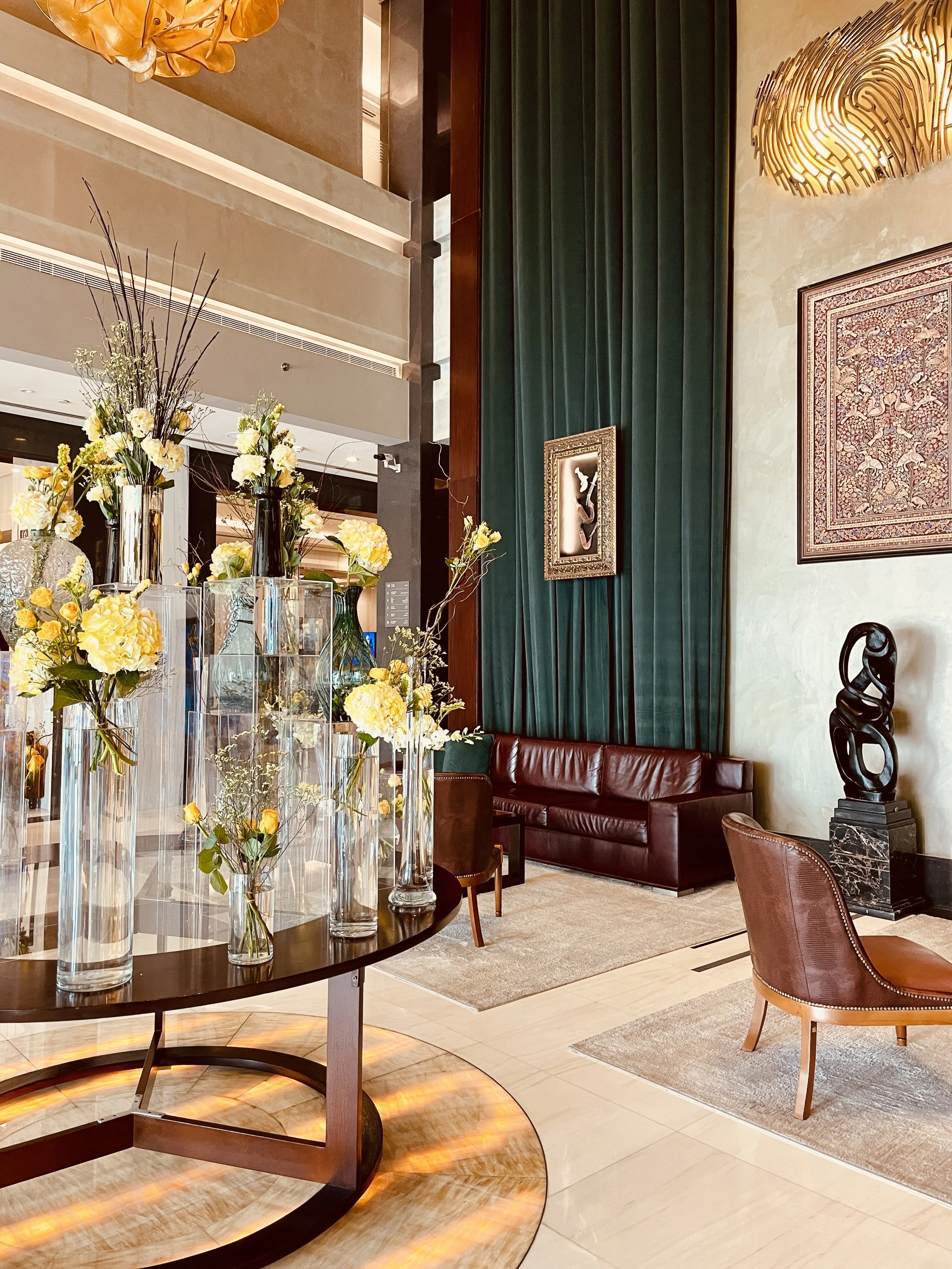
The Renaissance Business Bay Hotel is a five star Marriott property set right on the Dubai Water Canal in Business Bay. The hotel was rebranded in 2024 from the former Grand Millennium, bringing a refreshed design and updated facilities to the area. Its location is ideal for exploring the city, just a five-minute drive from Downtown Dubai, the Burj Khalifa, and Dubai Mall, with the canal promenade running directly outside for walks or cycling.
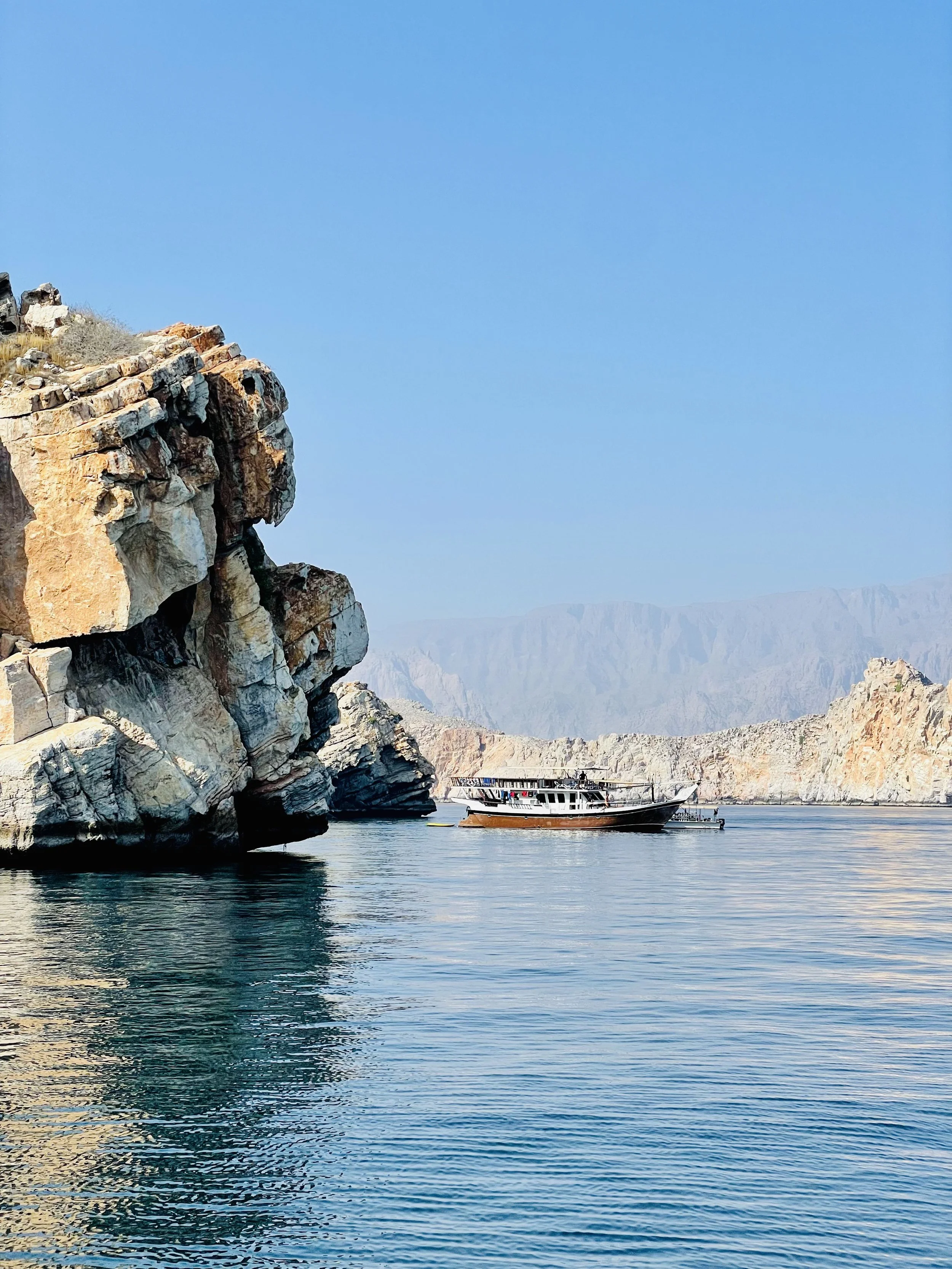
Just a two-hour drive from Dubai, Musandam in Oman feels like a completely different world. Jagged limestone cliffs rise straight out of the sea, forming deep inlets and quiet coves often called the fjords of Arabia. The landscape is wild and untouched, with no buildings or roads in sight once you’re on the water. It’s one of the most scenic parts of the Gulf and also one of the best places to dive in the region. The calm waters, varied topography, and rich marine life make it ideal for both beginners and experienced divers looking for a quick weekend underwater.

AlUla is one of Saudi Arabia’s most remarkable destinations, located in the northwest of the country within the Medina region. Known for its dramatic desert landscapes and archaeological significance, it is home to Hegra, Saudi Arabia’s first UNESCO World Heritage Site, as well as ancient rock tombs, historic dwellings, and striking sandstone formations. In recent years, AlUla has opened up to international tourism with new infrastructure, seasonal events, and luxury accommodations, making it an ideal destination for travellers interested in history, culture, and nature.

Dubai doesn’t slow down for summer — it simply moves indoors, underwater, and after dark. While the temperatures soar, so do the experiences, from world-class spas and immersive museums to rooftop pools and desert safaris designed with the heat in mind. Whether you're chasing thrills, culture, or just somewhere beautifully air-conditioned, here are 15 of the best things to do in Dubai this summer.
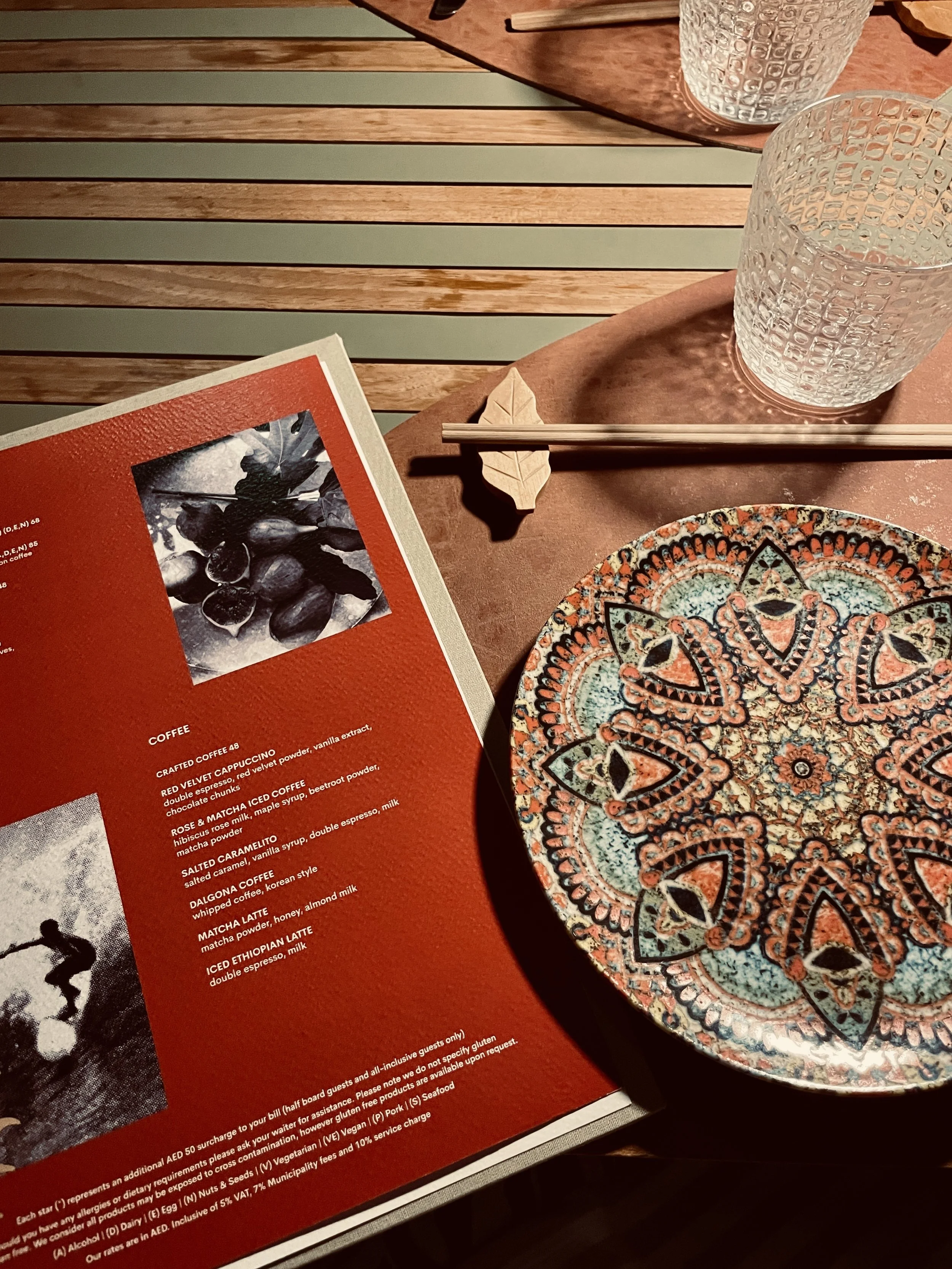
Set above the shoreline at W Dubai – Mina Seyahi, Ginger Moon offers something new to the city: a beach club experience without the beach. Overlooking the Arabian Gulf and Dubai Harbour, with the towers of Dubai Marina rising behind, it’s a relaxed space designed for long afternoons and evenings.
At its centre, a large olive tree grows up from the valet area two floors below and stretches through the heart of the restaurant, forming the bar canopy with seating all around. The kitchen is open, so you can see the chefs at work, and there’s a choice between indoor tables or breezy outdoor seating. We visited for dinner (kindly gifted) and stayed well into the night.

From groundbreaking architectural wonders to immersive cultural experiences, the UAE has rapidly emerged as a global hub for art, history, and interfaith dialogue. Whether you're exploring the contemporary galleries of the Louvre Abu Dhabi, delving into the nation's heritage at the Etihad Museum, or discovering the profound significance of the Sheikh Zayed Grand Mosque, each destination offers a unique glimpse into the UAE's evolving cultural landscape.
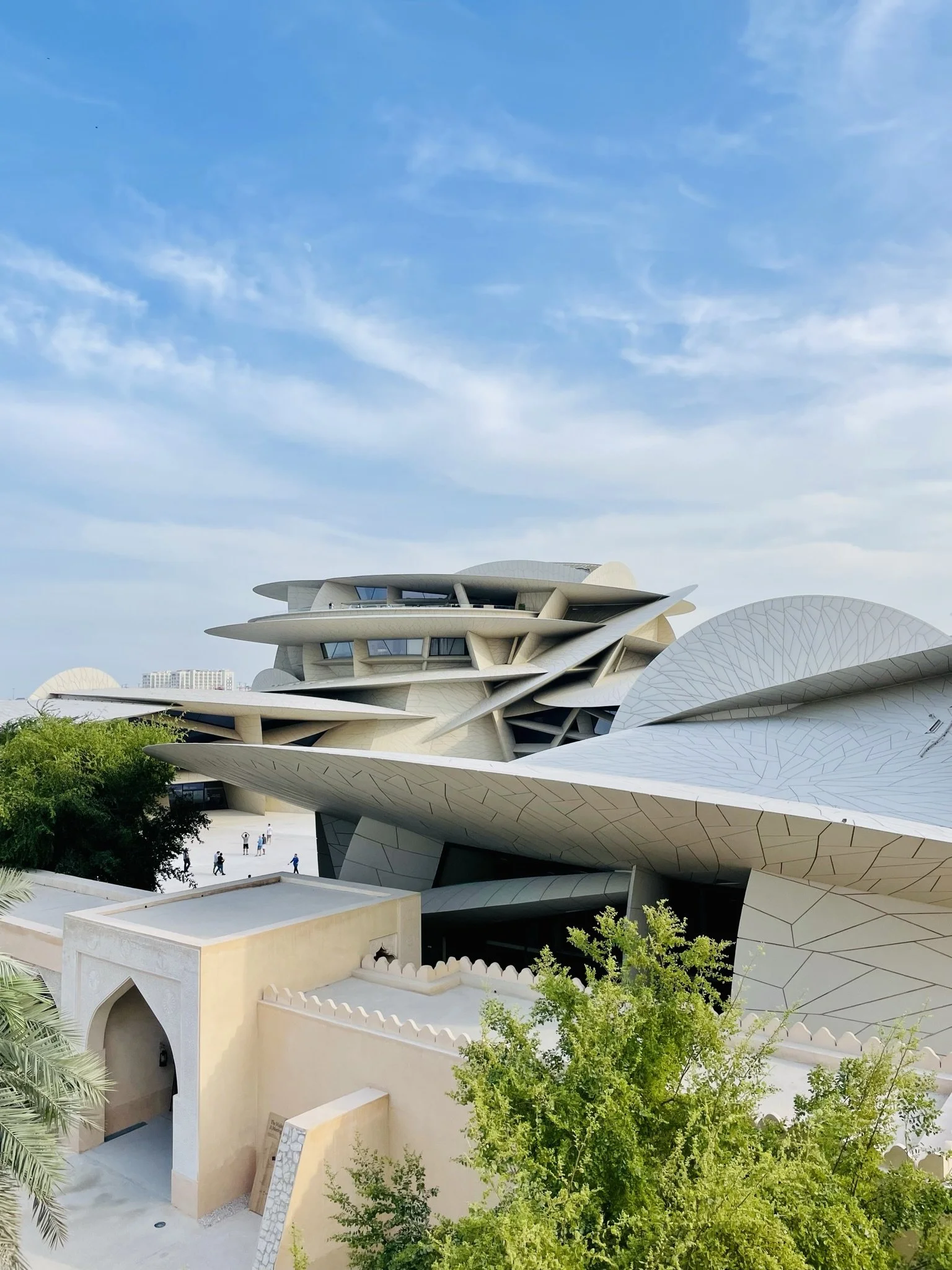
Doha is a city that offers a unique blend of modernity and tradition. Set on the Arabian Gulf and often overlooked for its flashier neighbours, it boasts a rich cultural heritage, stunning architecture, and vibrant landscapes. Whether you’re drawn to its museums, bustling markets, or waterfront views, Doha has something for every kind of traveller looking to experience the best the country has to offer. These are the places that you should visit to truly discover the heart of Qatar.
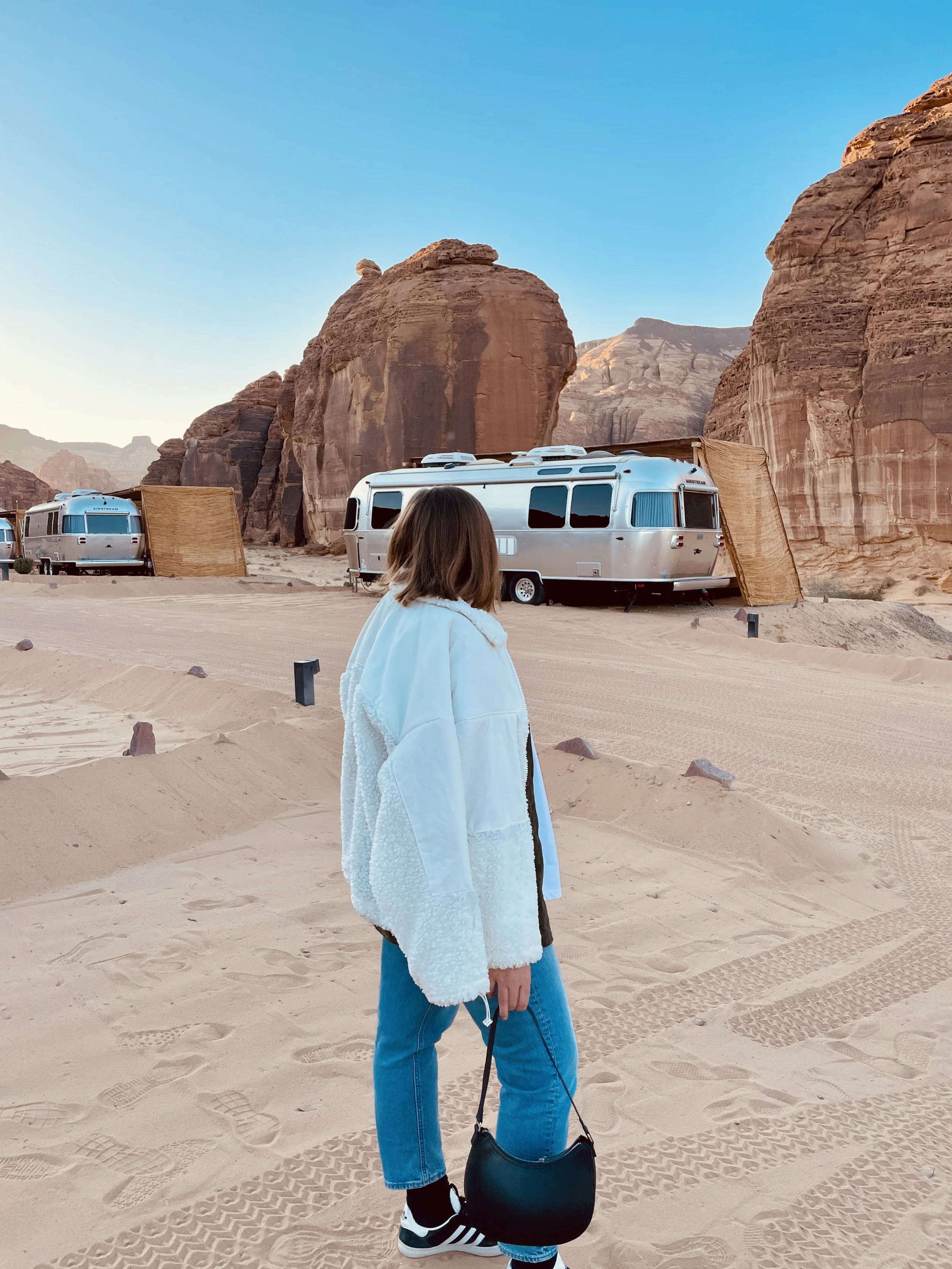
There’s something cinematic about arriving in AlUla for the first time. Set deep within the Ashar Valley, this design-led retreat brings a new kind of luxury to the desert: 45 gleaming Airstream caravans, each thoughtfully placed to blend into the Mars-like surroundings. The site itself is more than a place to sleep—it’s a communal experience. Food trucks serve up regional flavours, gathering spaces encourage connection, and activities draw on local Bedouin traditions. For those chasing something different, Caravan AlUla captures the wild beauty of the desert without compromising on comfort.

My husband and I were sitting in the otherworldly Our Habitas pool, discussing our top five favourite places we’d ever been. Less than 24 hours in, and we both agreed—this Arabian gem was already at the top of our lists. With the likes of Mount Kilimanjaro, Monument Valley, Four Seasons Seychelles, and Iceland, one thing ties them all together: untouched natural beauty. And AlUla is no exception. It’s as if Monument Valley had a Middle Eastern twin.
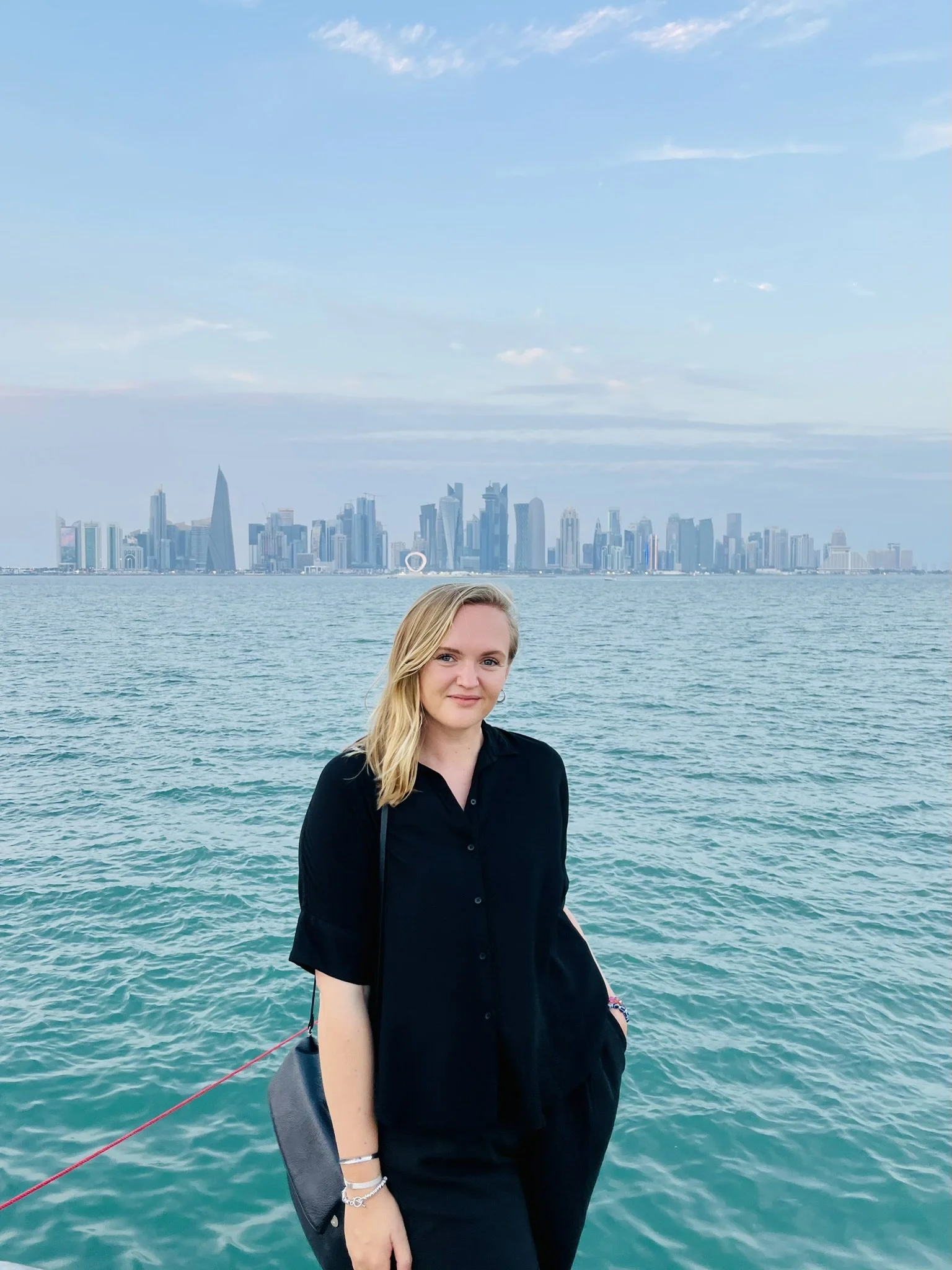
I’m not sure I can truly capture Qatar in just a few sentences. The country blew me away, far exceeding all my expectations. We visited Doha in 2022 for the FIFA World Cup, which itself was an unforgettable experience. The tournament was incredibly organised, keeping fans entertained and, most importantly, safe.
In my eyes, Doha is one of the best cities I’ve had the pleasure of visiting. It’s so clean, welcoming, and brimming with cultural attractions and places to relax – a rarity in major cities. Compared to other bustling capitals like London, Dubai, or New York, Doha had a laid-back vibe that never felt overwhelming.

If you’re on the hunt for honeymoon inspiration, just like my hubby and I - then you’ve come to the right place. We got married in April 2024, and had our ‘mini-moon’ a few months later in July. We spent 4 nights in Zanzibar which was exactly what we needed after a long year of wedding planning. But we both said we would save our big honeymoon for 2025, with plans in place to spend 3 weeks exploring South Africa, Namibia, Botswana and Zambia. Sorry I don’t have inspiration for these destinations - yet! But watch this space! (I can’t wait!)

If you’re based in the UAE, Oman - or heading this way on your travels, you must visit Musandam. Ever since I got my PADI license, people told me, ‘You have to scuba dive in Oman.’ They weren’t wrong, as I was completely blown away. From the marine life, rugged mountains, calm waters and close proximity to Dubai, Musandam is no doubt the best dive spot in the region.

Dubai, renowned for its opulence, innovation, and luxurious lifestyle, boasts an array of exceptional hotels that redefine hospitality at every turn. From gleaming skyscrapers gracing the skyline to pristine beaches along the azure Gulf waters, Dubai's hotels offer an unparalleled blend of modern comfort and Arabian hospitality.

Have you ever wondered why so many people move to Dubai? It’s a baby compared to the other major cities in the world. However in recent years, it’s become a top destination for tourists and expats. It’s the most populous city in the UAE and boasts a luxurious lifestyle, of beautiful beaches, huge skyscrapers and most importantly, job opportunities. It is also in the top 10 of safest cities in the world.
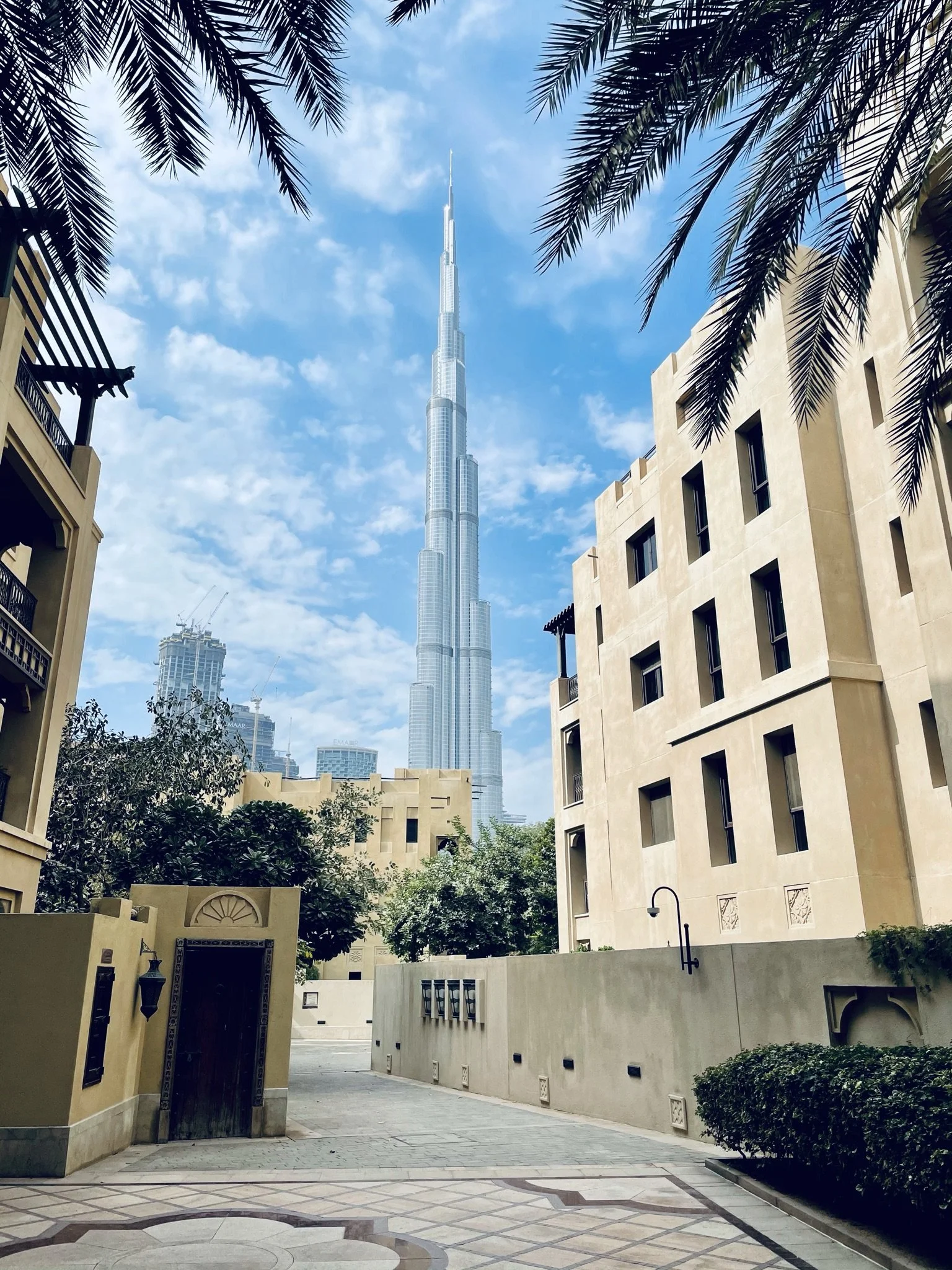
Are you still not sure if Dubai is for you? Then let me convince you, the best way I know how - through photos! Dubai has everything you could possibly need within a 20km radius, including every kind of landscape. Beautiful beaches, skylines of skyscrapers, dreamy deserts, and also mountains, can be found only an hours drive away from the city.

Whilst Dubai is known for being a modern metropolis, it’s also a coastal city which is a huge perk, as there are many fancy 5* hotels and beach clubs dotted all along the seafront. The city has over 300 days a year of sunshine and blue skies - spare a few days for sandstorms. Given the near-perfect weather all year long, Dubai is also famous for its brunches… on the beach! Any day or time of the week - unlimited food & drinks, DJs, infinity pools and a bloody good time awaits you. And maybe some crazy Brits…
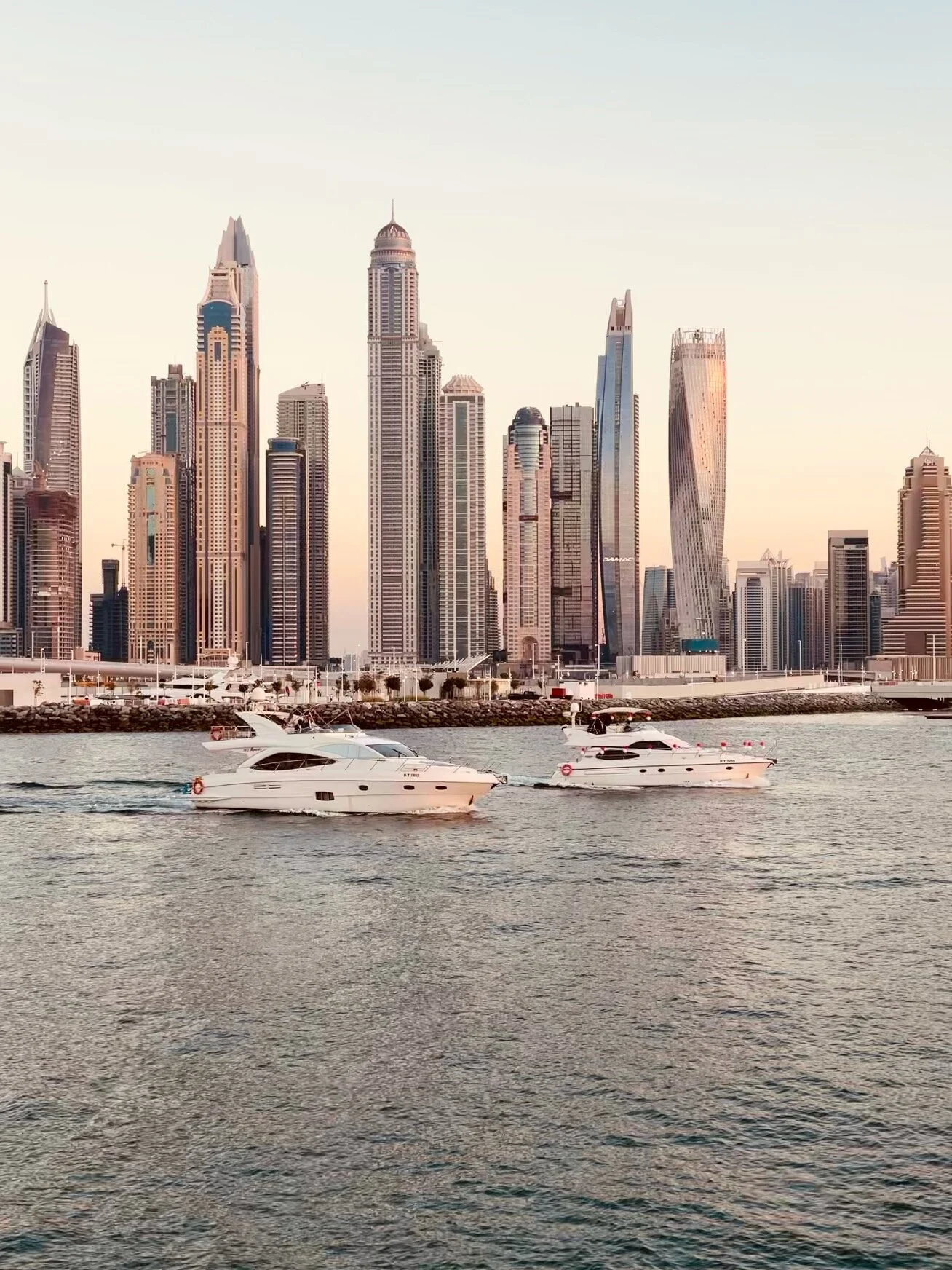
Whether you have a trip booked or you’re planning to travel to Dubai, this ultimate guide will provide you with all the information you need. Dubai is the busiest and most exciting city in the United Arab Emirates. The UAE is conservative, however, it’s not as strict as most Middle Eastern countries.
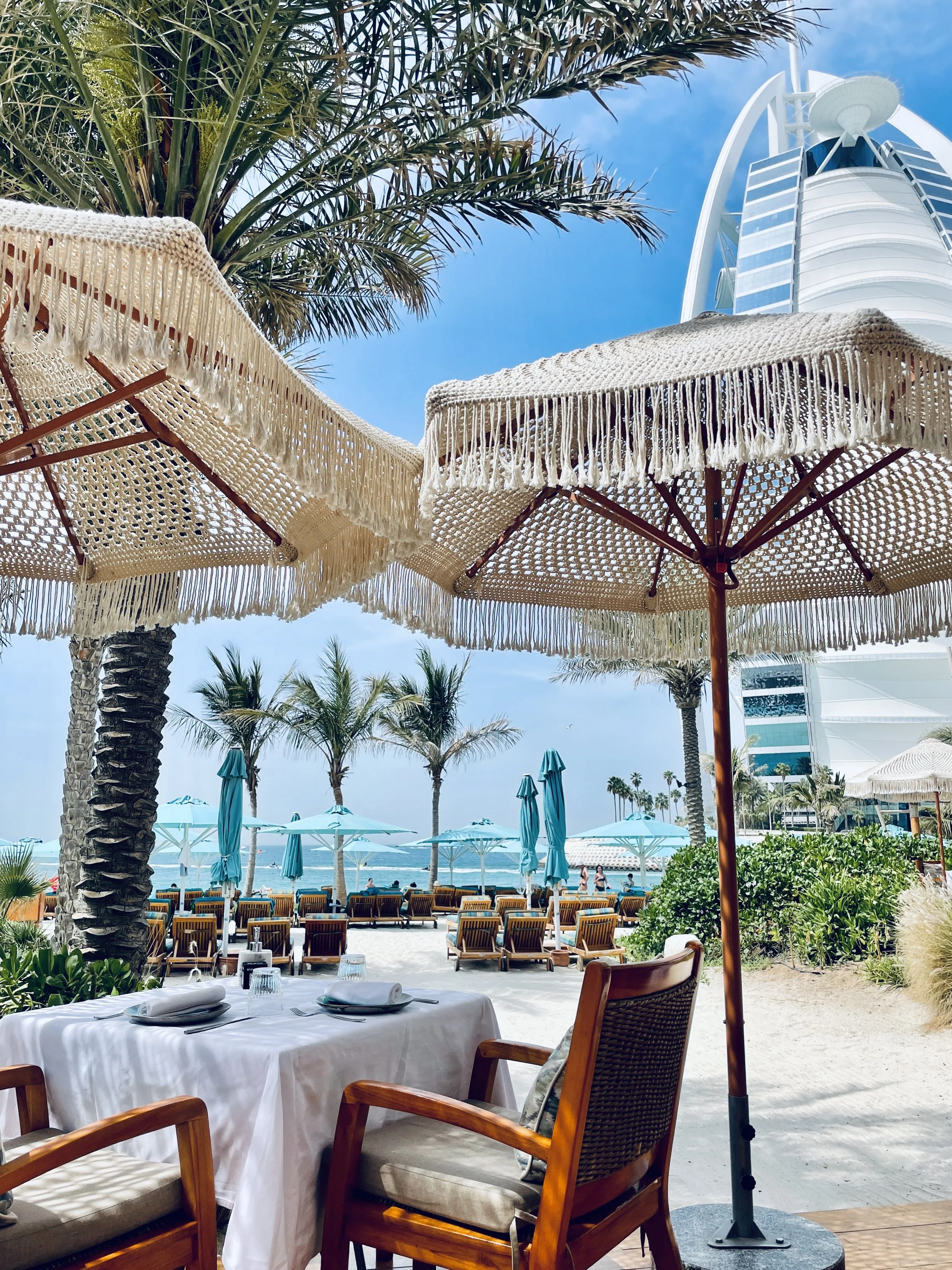
Whether you’re in the mood for sipping cocktails by the Burj Khalifa or tucking into Greek food with your toes in the sand – Dubai’s got you covered. From sky-high lounges to beachside gems, the list of restaurants here is genuinely endless. I always say I’ll go back to the same place – I really do – but somehow, every week, I end up discovering somewhere new and convincing myself it counts as “research.”
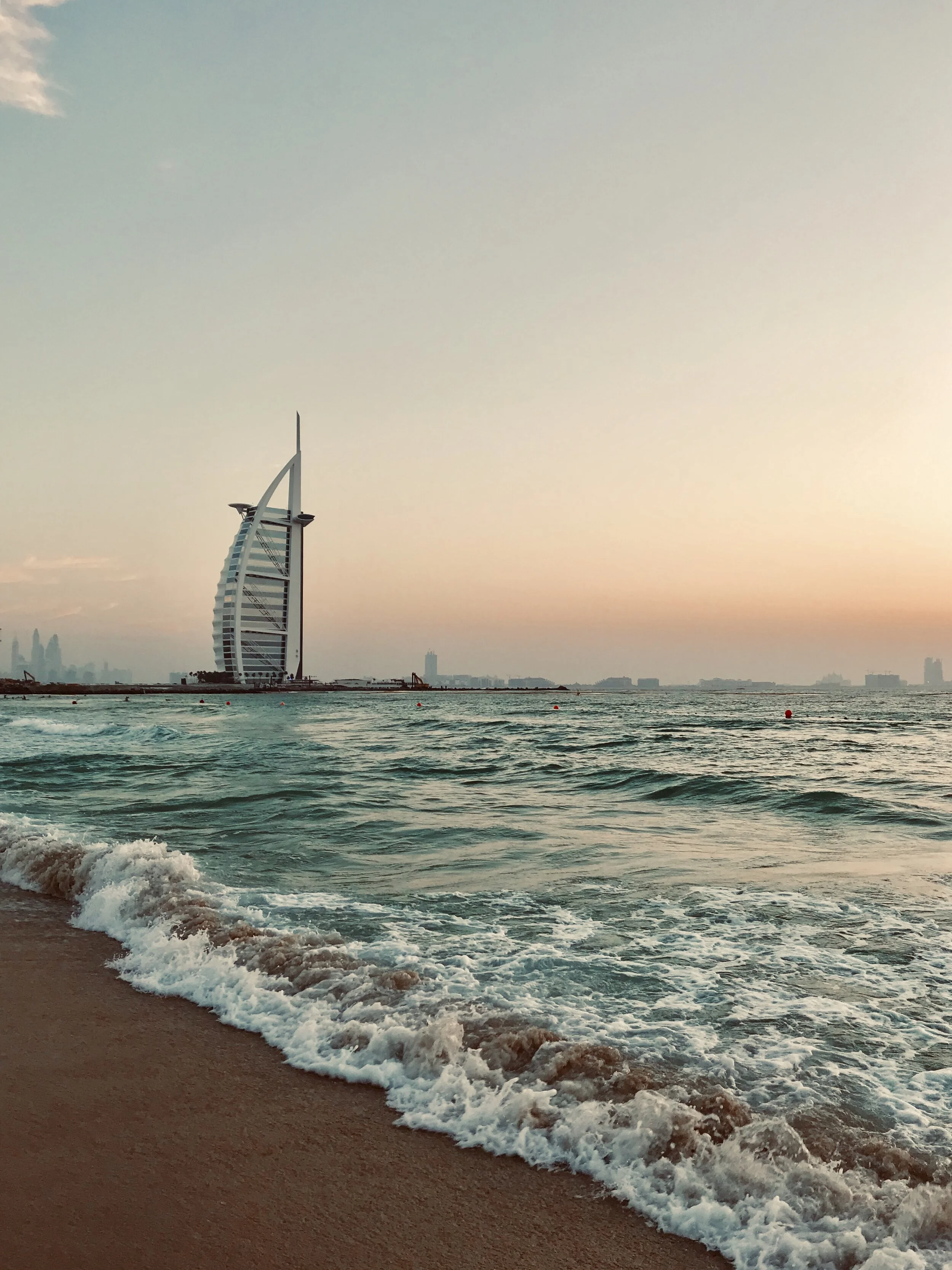
Dubai is known for being the perfect holiday destination with the beaches being the number one attraction. The city boasts a beautiful coastline with white sand, turquoise waters and calm waves. Swimming in the sea is ideal in the months of April, May, October and November. December to March are the cooler months of the year which is when the sea temperature is also colder. However, there aren’t many days of the year where I wouldn’t go to the beach!
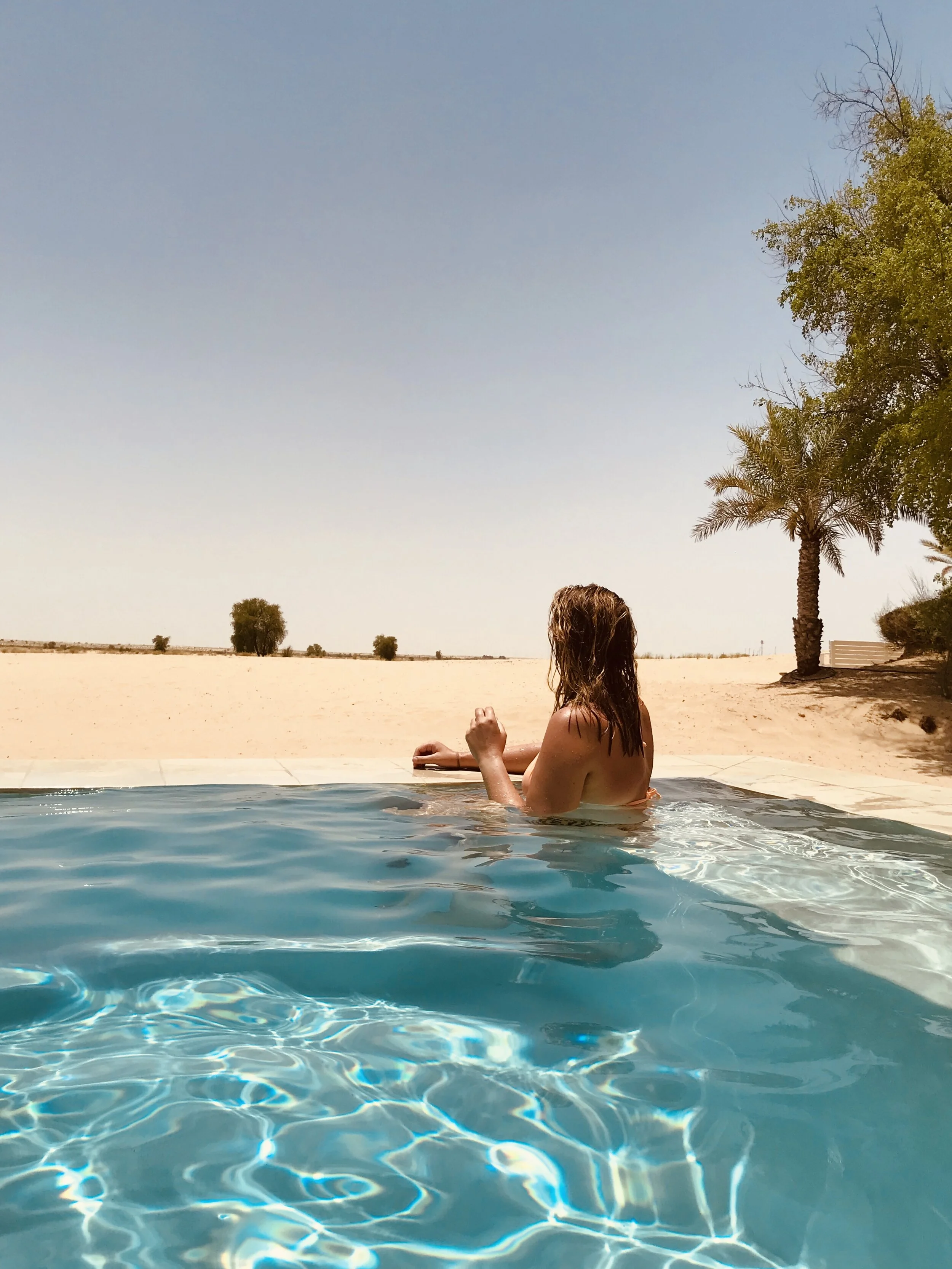
Bab Al Shams Desert Resort & Spa sits in the Al Marmoom Desert Conservation Reserve, about 45 minutes from Downtown Dubai. Originally opened in 2004, the resort underwent a full renovation and reopened in 2023 with a fresh new look and upgraded facilities. The redesign kept the resort’s desert‑fort aesthetic while adding new restaurants, updated rooms and villas, and refreshed facilities. There are 115 rooms and suites in total, three swimming pools, and seven dining and lounge venues. The resort is surrounded only by sand dunes and wildlife like oryx and gazelles, which makes it feel far removed from the city despite the short drive. After nearly seven years of living in the UAE, this is still, without a doubt, my favourite resort in the country.

There are many reasons why I call myself a water baby. I learned to swim at age 4 and stayed with the same company until I was swimming competitively for them at aged 16. I then became a lifeguard where I actively worked in the position for 9 years, including countless jobs that took me all over the world, from Japan, China and the USA. In 2014 I then qualified to be a swim coach which is the main reason why I’m now based in the United Arab Emirates.
Located on a prime 700-metre stretch of private shoreline, the Mina Seyahi collection serves as a prestigious gateway between the Dubai Marina and the Arabian Gulf. This sprawling estate integrates three distinct Marriott properties—the neoclassical luxury of The Westin Dubai Mina Seyahi Beach Resort & Marina, the mid-century chic Le Méridien Mina Seyahi Beach Resort & Waterpark, and the ultra-modern, adult-focused W Dubai - Mina Seyahi.