


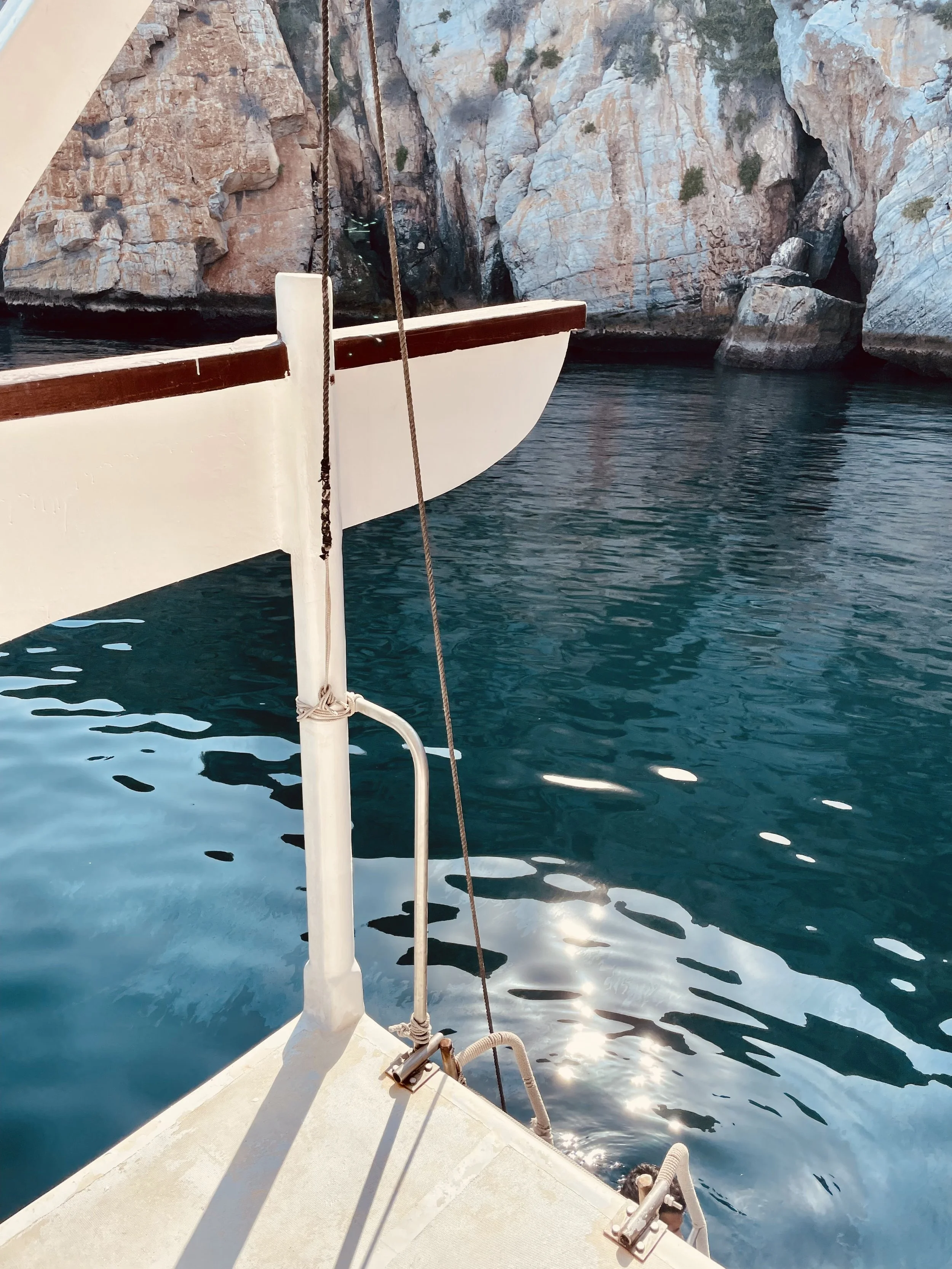

Oman ~ Travel Guides
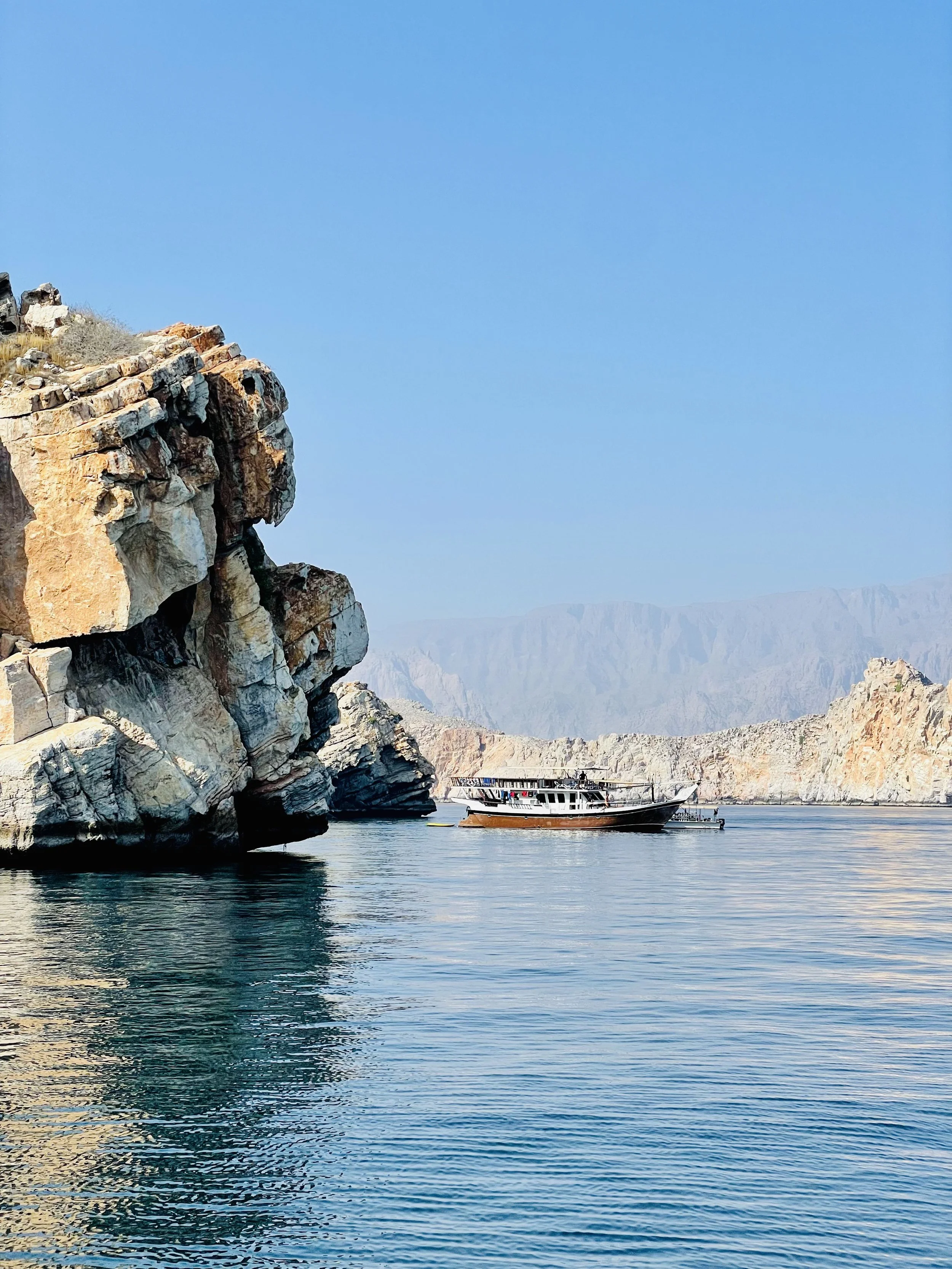
Oman is located on the southeastern tip of the Arabian Peninsula, sharing borders with the UAE, Saudi Arabia, and Yemen. It is known for its diverse landscapes, including mountains, desert dunes, and a long coastline along the Arabian Sea. Muscat, the capital, blends traditional Islamic architecture with modern development. Arabic is the official language, and the currency is the Omani rial. English is widely spoken in cities and tourist areas. Oman has a hot desert climate, with cooler temperatures in the mountain regions and during the winter months (October to April). The country is politically stable and has invested heavily in infrastructure, making self-driving a practical option. Highlights include the Wahiba Sands desert, the fjords of the Musandam Peninsula, ancient forts, and the green mountains of Jebel Akhdar. Oman places strong emphasis on cultural preservation, and visitors should dress modestly in public areas. It is one of the most welcoming and accessible Gulf countries for independent travel, with a strong focus on nature, heritage, and hospitality.


As we move through 2026, the world has never felt more accessible or full of specialised wonders. From the long-awaited unveiling of massive cultural archives in Egypt to the rare astronomical peak of the Northern Lights, this year offers a unique alignment of events for the intentional traveller. Whether you are looking for the raw geological power of an active volcano in Japan or the silent, mirrored modernism of the Saudi desert, these twelve destinations represent the absolute pinnacle of global adventure for the current calendar year.