


Tanzania ~ Travel Guides
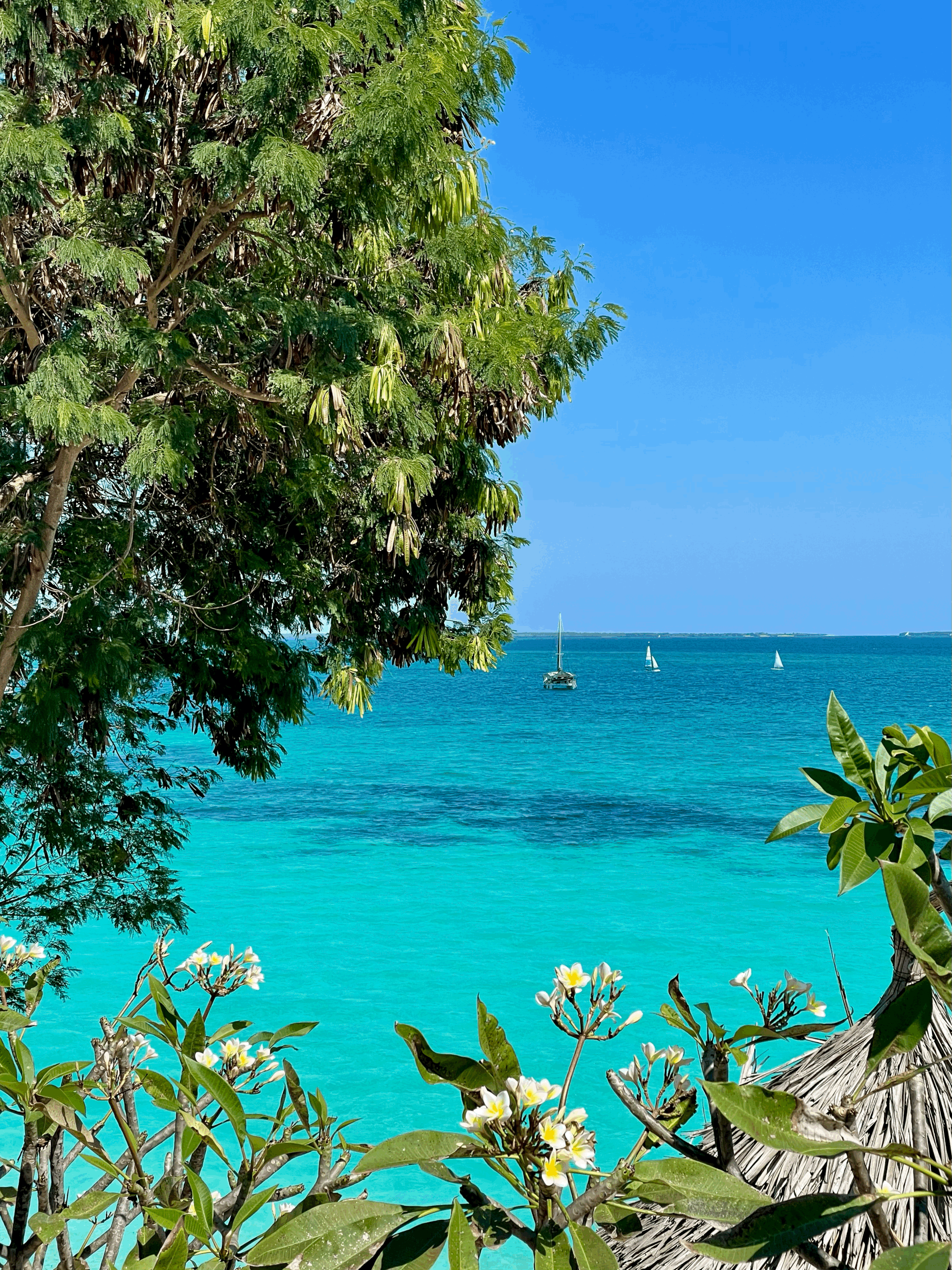
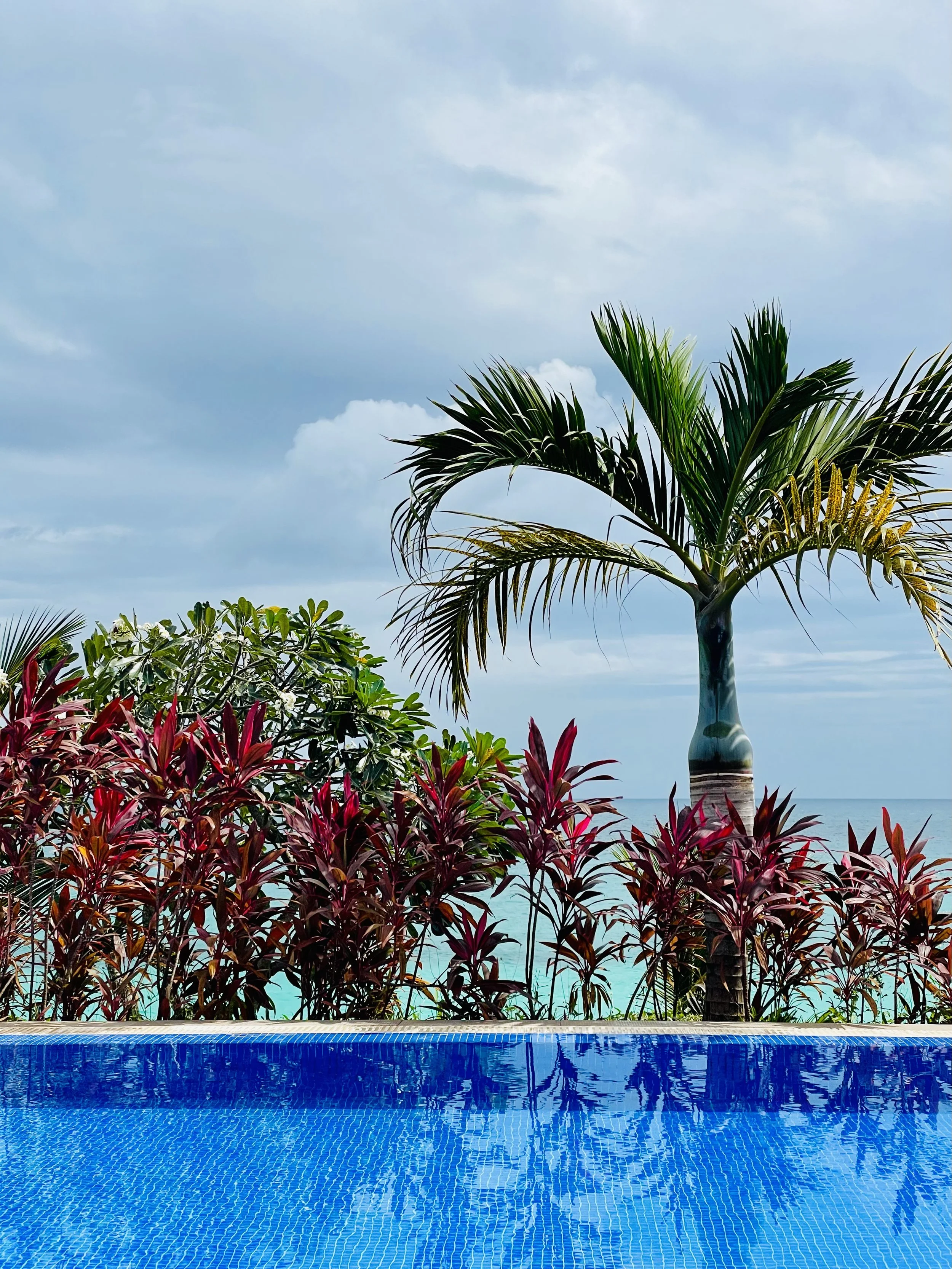
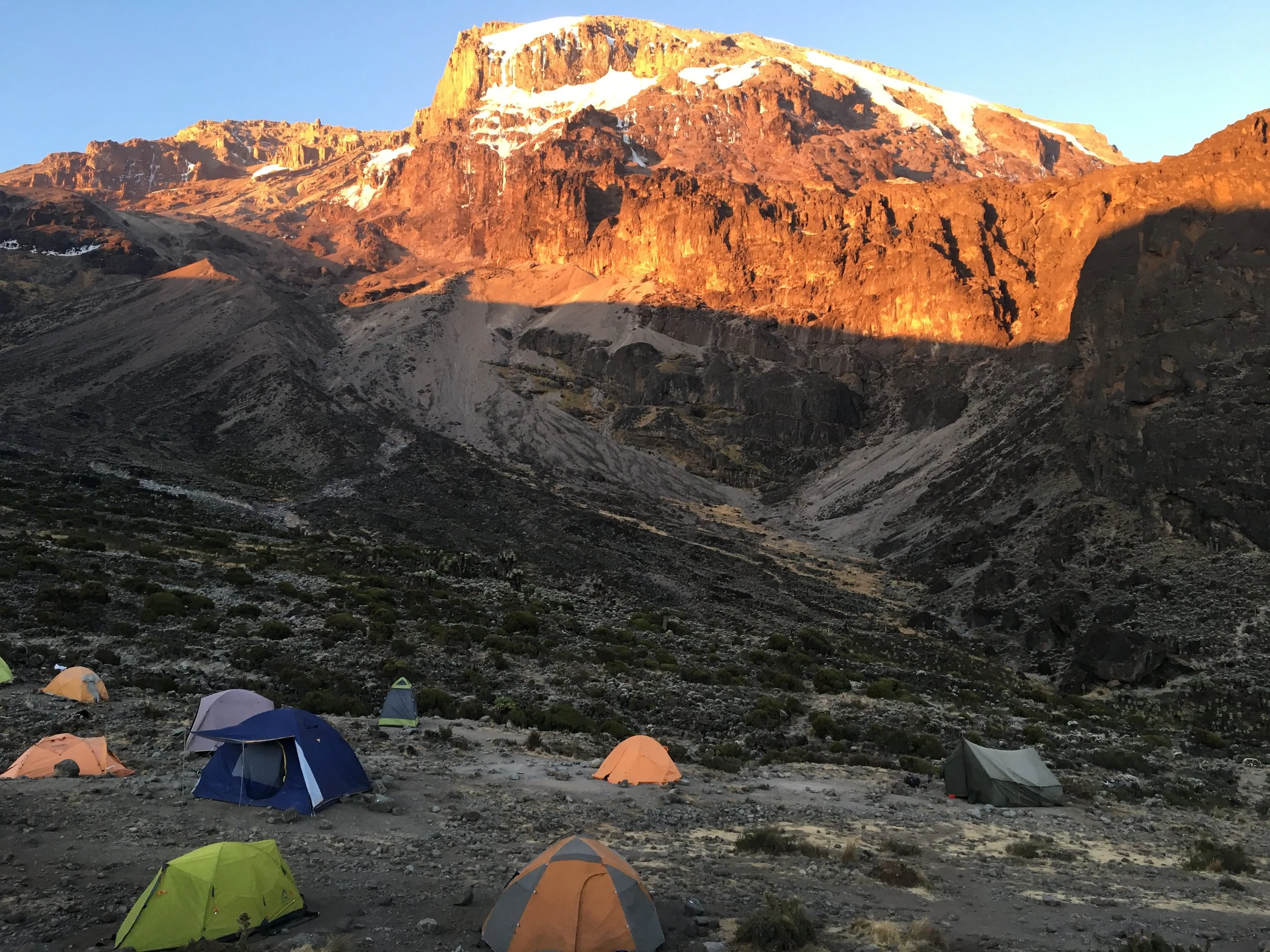
Tanzania is a country in East Africa known for its wildlife, national parks, and Mount Kilimanjaro—the highest peak in Africa. The capital is Dodoma, but Dar es Salaam remains the largest city and main international gateway. Swahili and English are official languages, and the currency is the Tanzanian shilling. Tanzania has a tropical climate, with dry seasons from June to October and shorter rains from November to December. The country is most famous for the Serengeti and Ngorongoro Crater, key sites for safaris and the Great Migration. Zanzibar, a semi-autonomous island region, is known for its historic Stone Town, beaches, and spice plantations. Travel infrastructure varies: safaris and beach resorts are well-developed, but rural transport can be slow. Tanzania requires visas for most visitors and offers electronic applications. The country is best suited to those seeking wildlife, adventure, and nature, with opportunities for hiking, diving, and cultural visits to Maasai villages. It is safe in tourist regions, though travel requires planning due to long distances and varying infrastructure.



As we move through 2026, the world has never felt more accessible or full of specialised wonders. From the long-awaited unveiling of massive cultural archives in Egypt to the rare astronomical peak of the Northern Lights, this year offers a unique alignment of events for the intentional traveller. Whether you are looking for the raw geological power of an active volcano in Japan or the silent, mirrored modernism of the Saudi desert, these twelve destinations represent the absolute pinnacle of global adventure for the current calendar year.