
The Complete Guide to Sigiriya, Sri Lanka
The Complete Guide to Sigiriya, Sri Lanka
words: Sophie Alexander-Osman
photography: Sophie Alexander-Osman
published: July 15, 2026
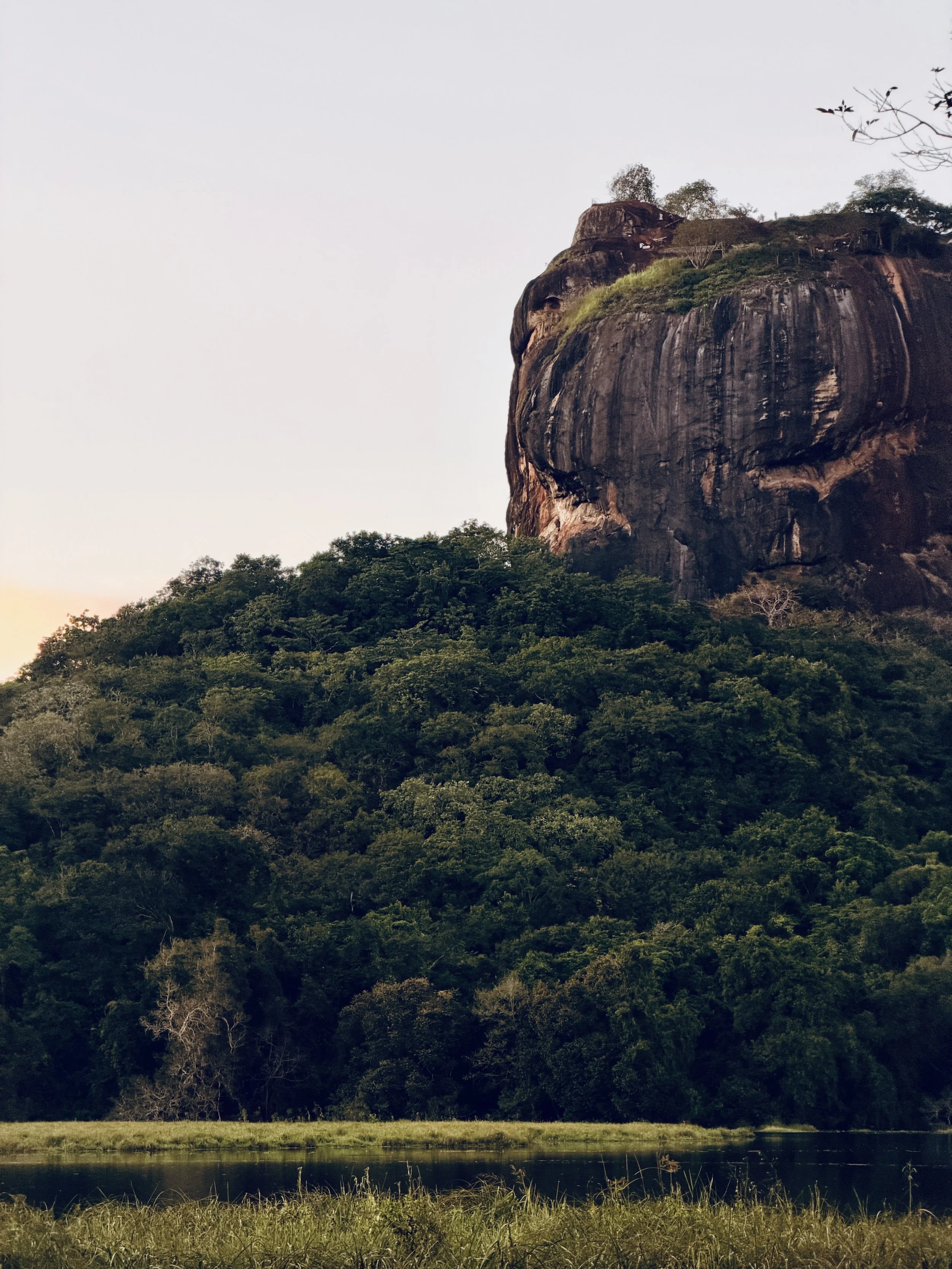
Sigiriya is a massive granite peak that rises two hundred metres above the flat plains of central Sri Lanka. This UNESCO site, known as Lion Rock, is more than just a natural landmark. It was a 5th-century capital city built by King Kasyapa, surrounded by a complex system of water gardens, moats and defensive walls.
The climb to the top takes you through different stages of history. Halfway up the rock, two giant stone lion paws mark the entrance to the old palace. On the western side, you will find the mirror wall, which was once polished so the King could see himself. Nearby, ancient frescoes of women are still visible in the rock, preserved for centuries.
At the summit, the ruins of the royal citadel offer a full view of the surrounding jungle. Even today, the layout shows how advanced the builders were. They used a clever water system to fill pools and gardens at the very top of the rock. From here, you can see the perfect symmetry of the pleasure gardens laid out below.
Sigiriya is a place you have to experience on foot. Whether you are walking through the boulder gardens at the bottom or standing on the ruins at the top, you feel the scale of the ancient kingdom. It is the most famous part of Sri Lanka’s Cultural Triangle and shows exactly what human ambition can achieve.
Stay
Accommodation in the area ranges from modernist architectural feats to grounded jungle retreats. Water Garden Sigiriya is a contemporary standout, designed by Channa Daswatte as a modern interpretation of the ancient palace grounds with villas set amongst man-made lakes. For direct proximity, Hotel Sigiriya sits at the site’s edge, featuring an iconic pool that frames the rock perfectly. EKHO Sigiriya offers a more minimalist, boutique scale tucked into the greenery, while a short drive away, Heritance Kandalama remains a mandatory visit; the Geoffrey Bawa masterpiece is built directly into a cliffside, representing the pinnacle of tropical modernism.
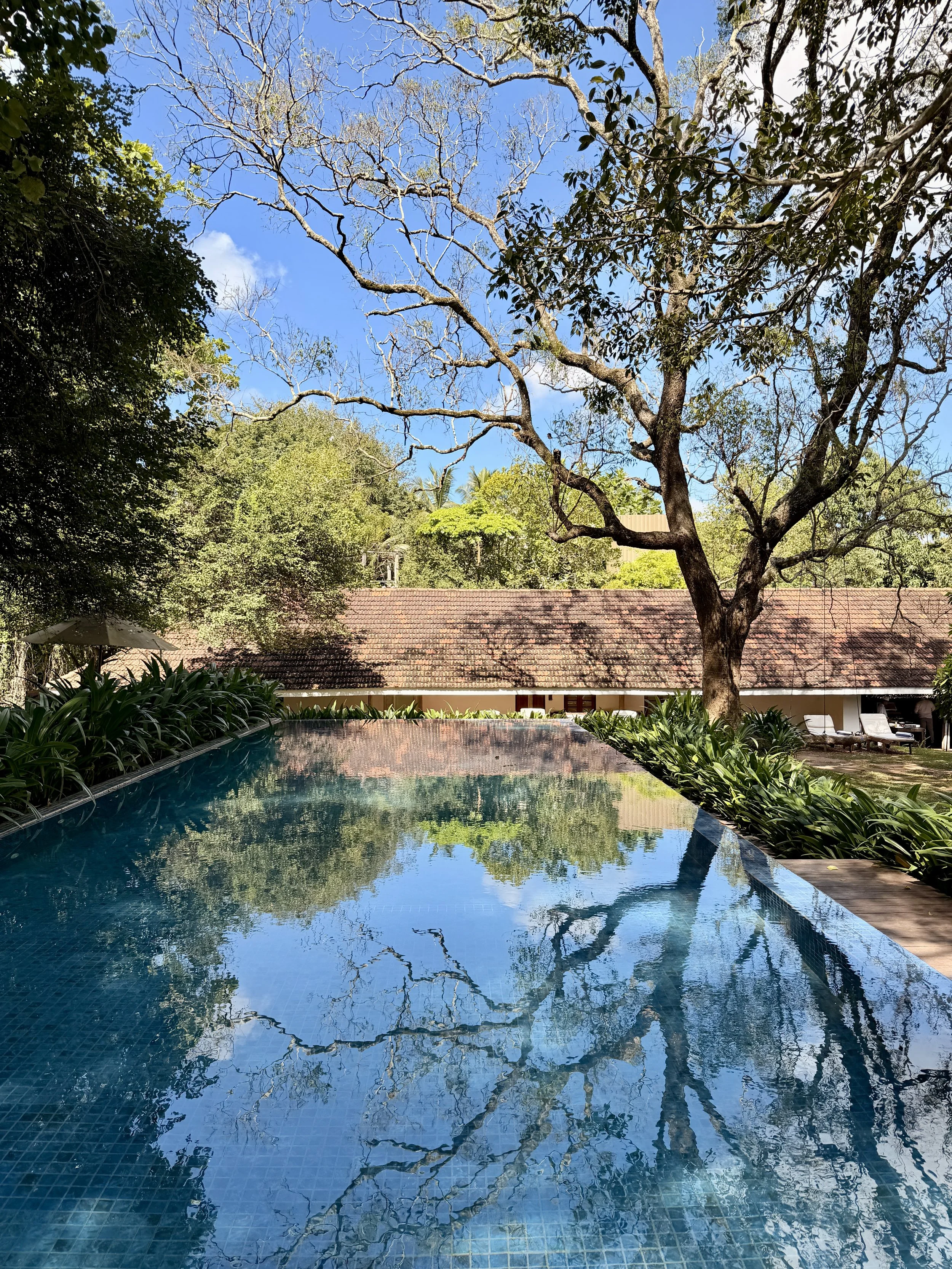
EKHO Sigiriya, Sri Lanka
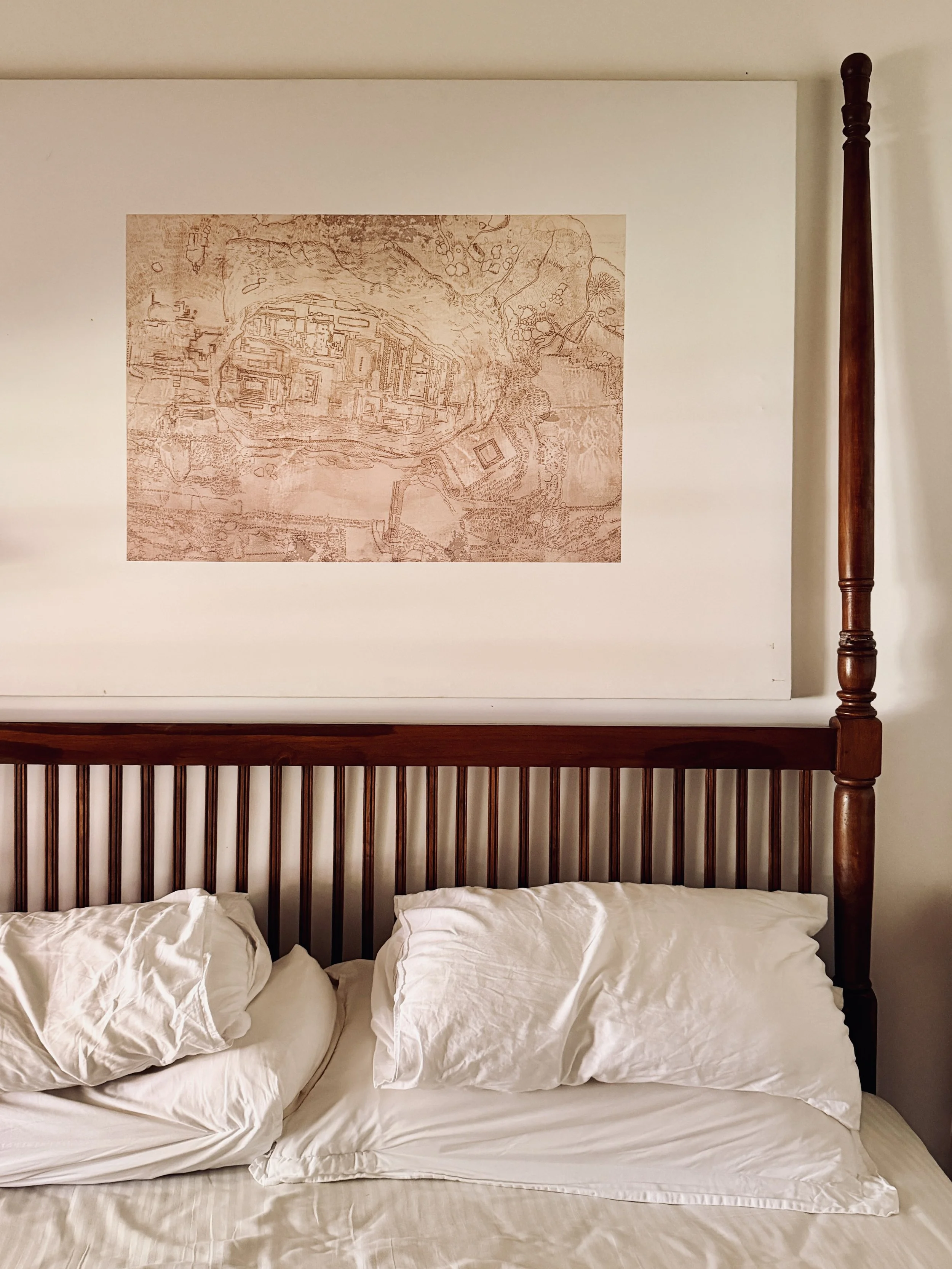
EKHO Sigiriya, Sri Lanka
Dine
The dining scene is increasingly focused on organic, plant-based fare that utilises the region’s agricultural wealth. Soul Food is the primary anchor for vegetarians, offering a peaceful backyard setting with unobstructed views of Lion Rock. For a more traditional experience, Sigiri Rock View Point overlooks the water, serving authentic rice and curry as the sun sets behind the monolith. Those seeking a family-run, local atmosphere should head to Kenoli Restaurant, known for its extensive variety of vegetable curries and traditional hoppers in an open-air environment.
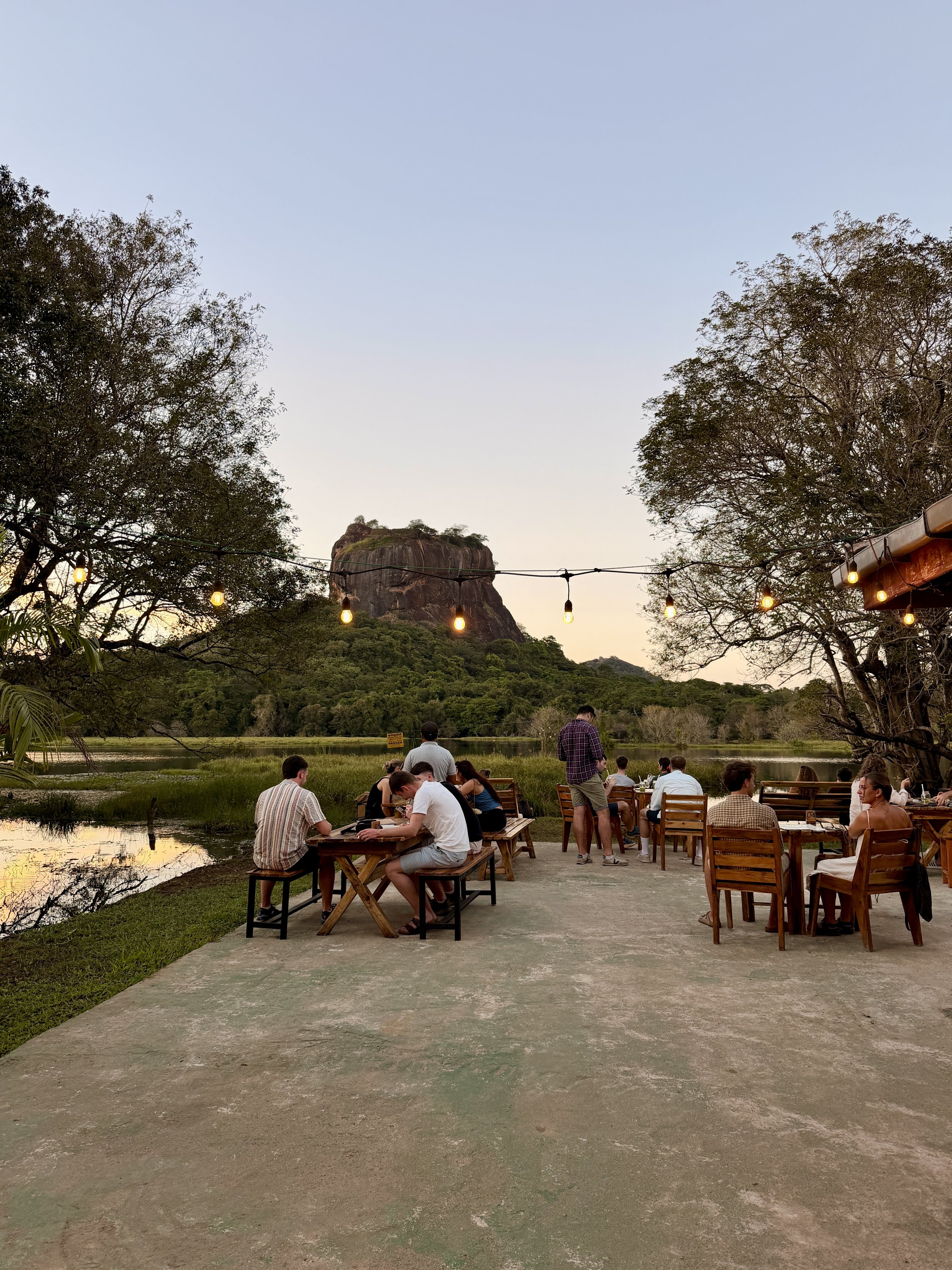
Soul Food, Sigiriya
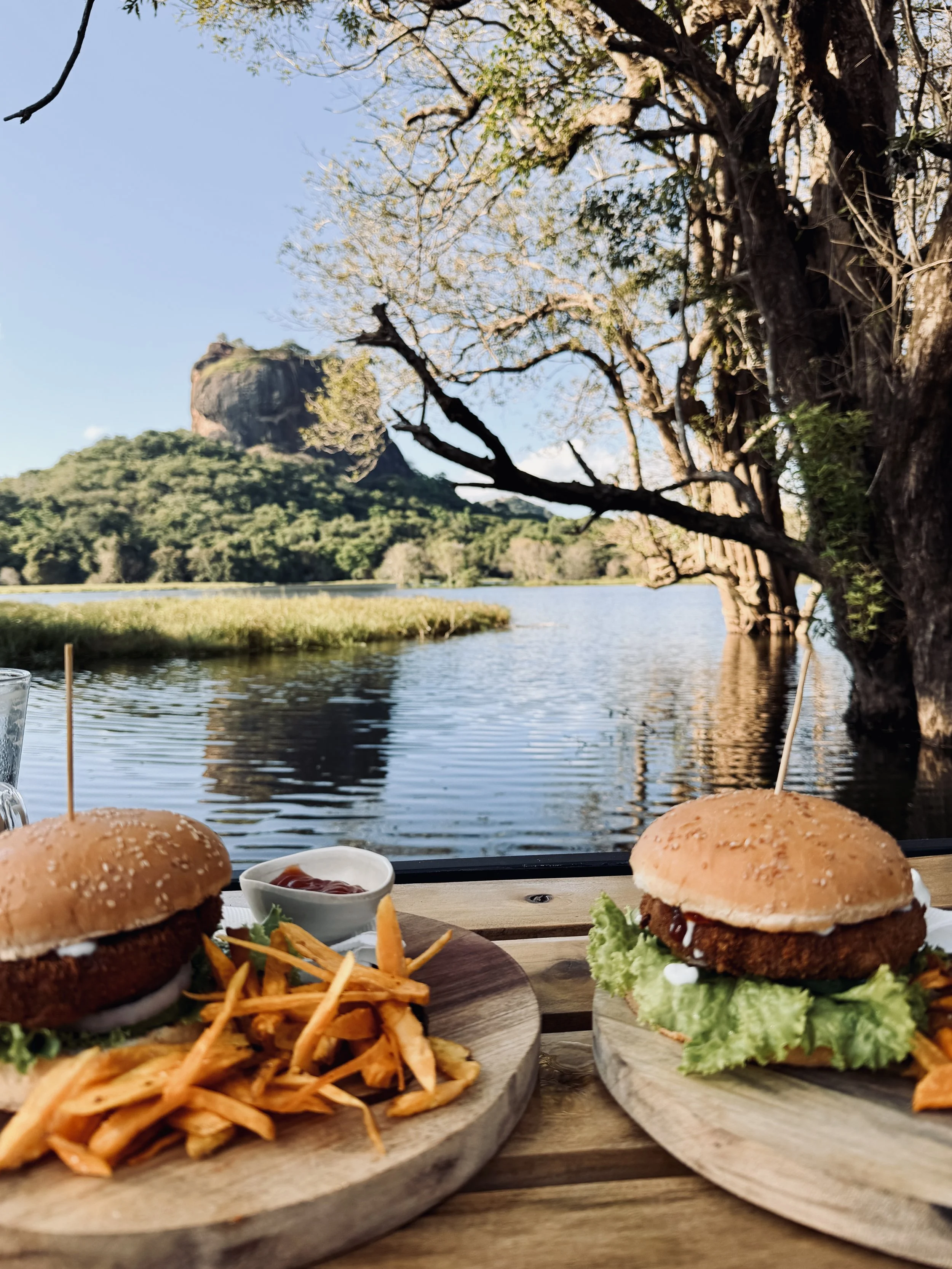
Soul Food, Sigiriya
Explore
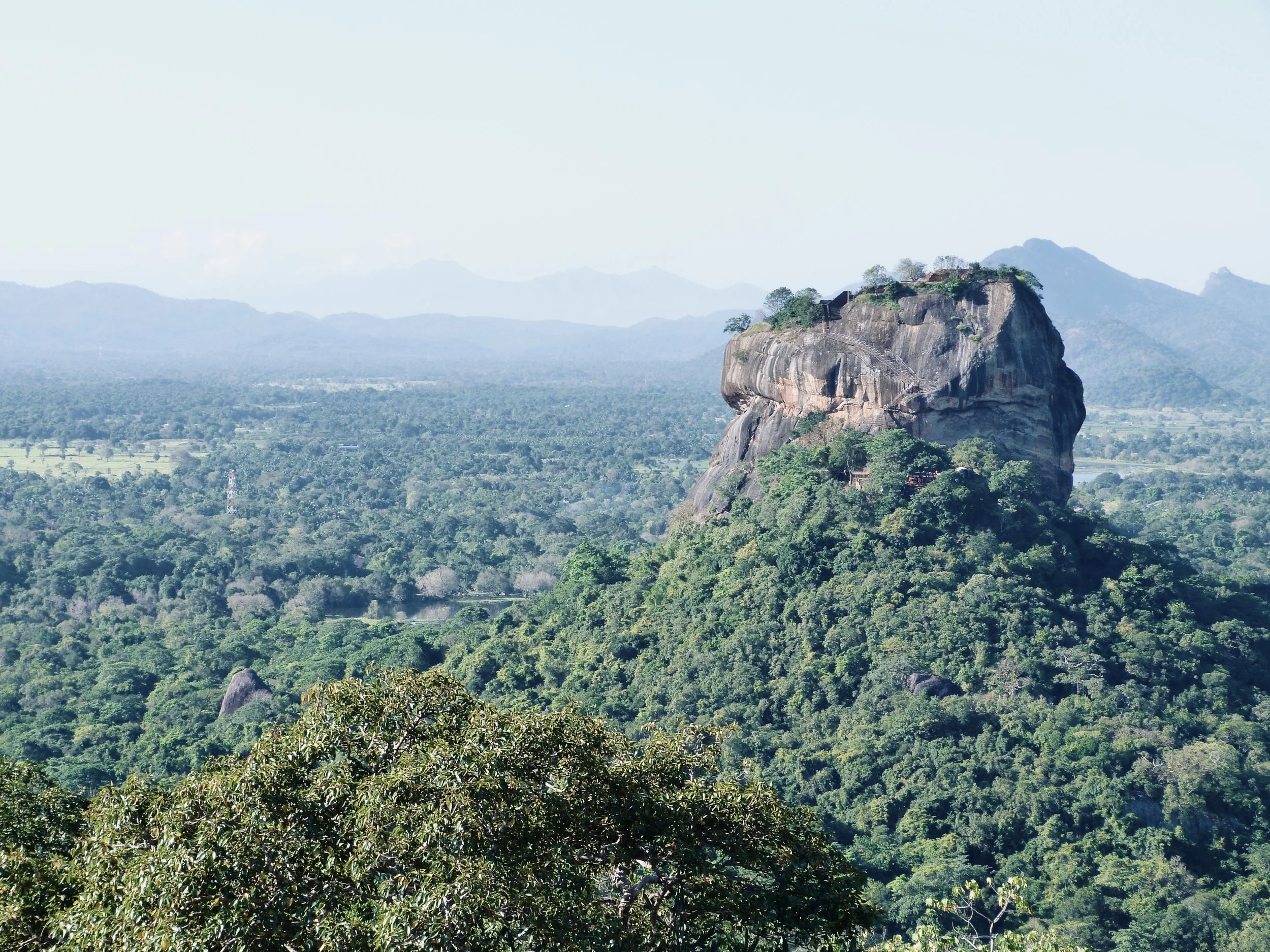
The primary objective is the 1,200-step ascent of Lion Rock, ideally timed for sunrise to avoid the midday heat and explore the summit ruins in isolation. However, for the most cinematic perspective of the fortress itself, the climb up Pidurangala Rock is essential. The trail is more rugged and requires a short scramble at the peak, but it provides the definitive panoramic view of Sigiriya rising from the jungle canopy. Beyond the rocks, the region offers deep natural and religious significance; Minneriya National Park is a 30-minute drive for wild elephant sightings, while the Dambulla Cave Temple houses five ancient caverns filled with some of Sri Lanka’s most significant Buddhist murals and statuary.
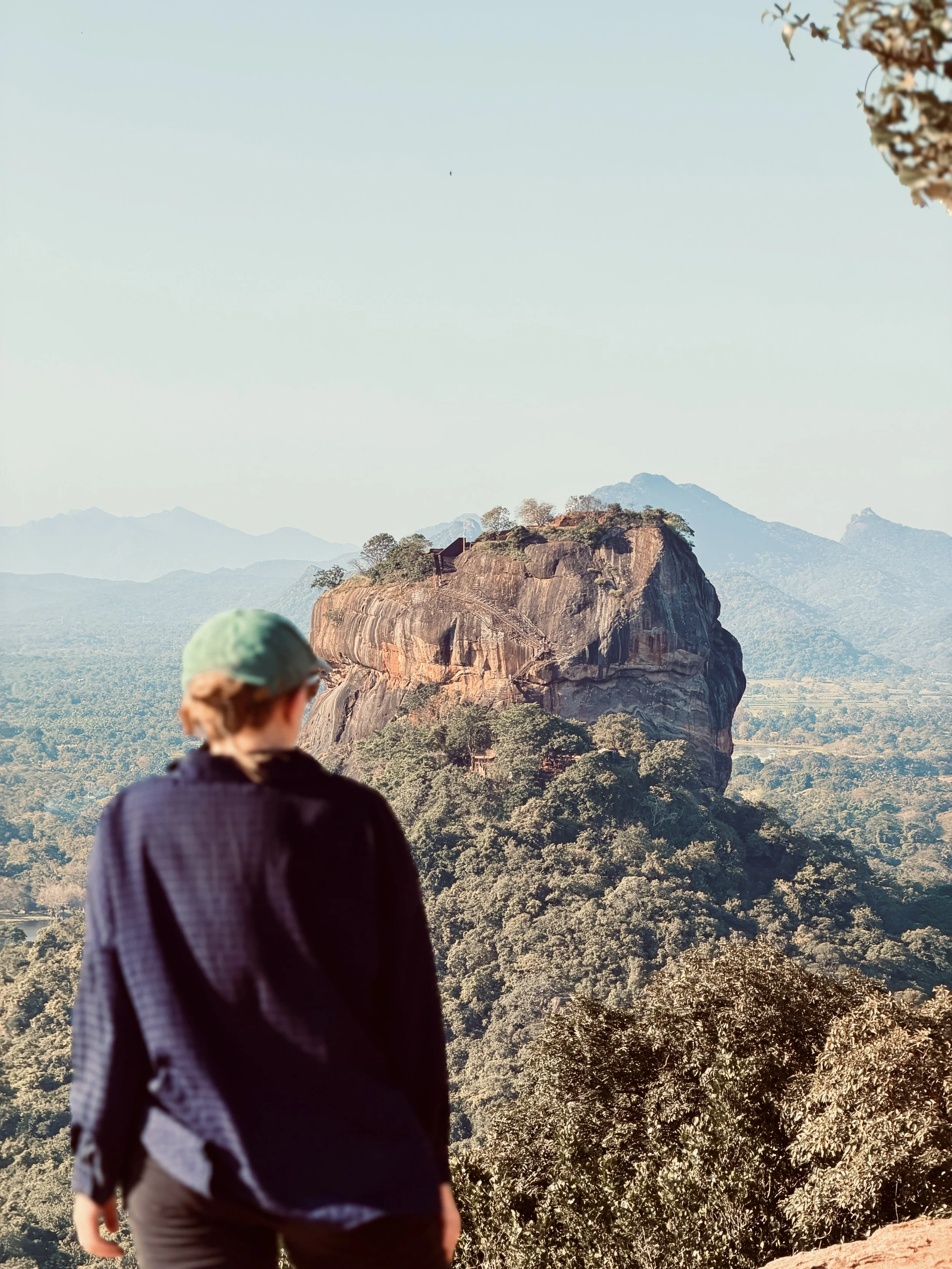
Pidurangala Rock, Sigiriya
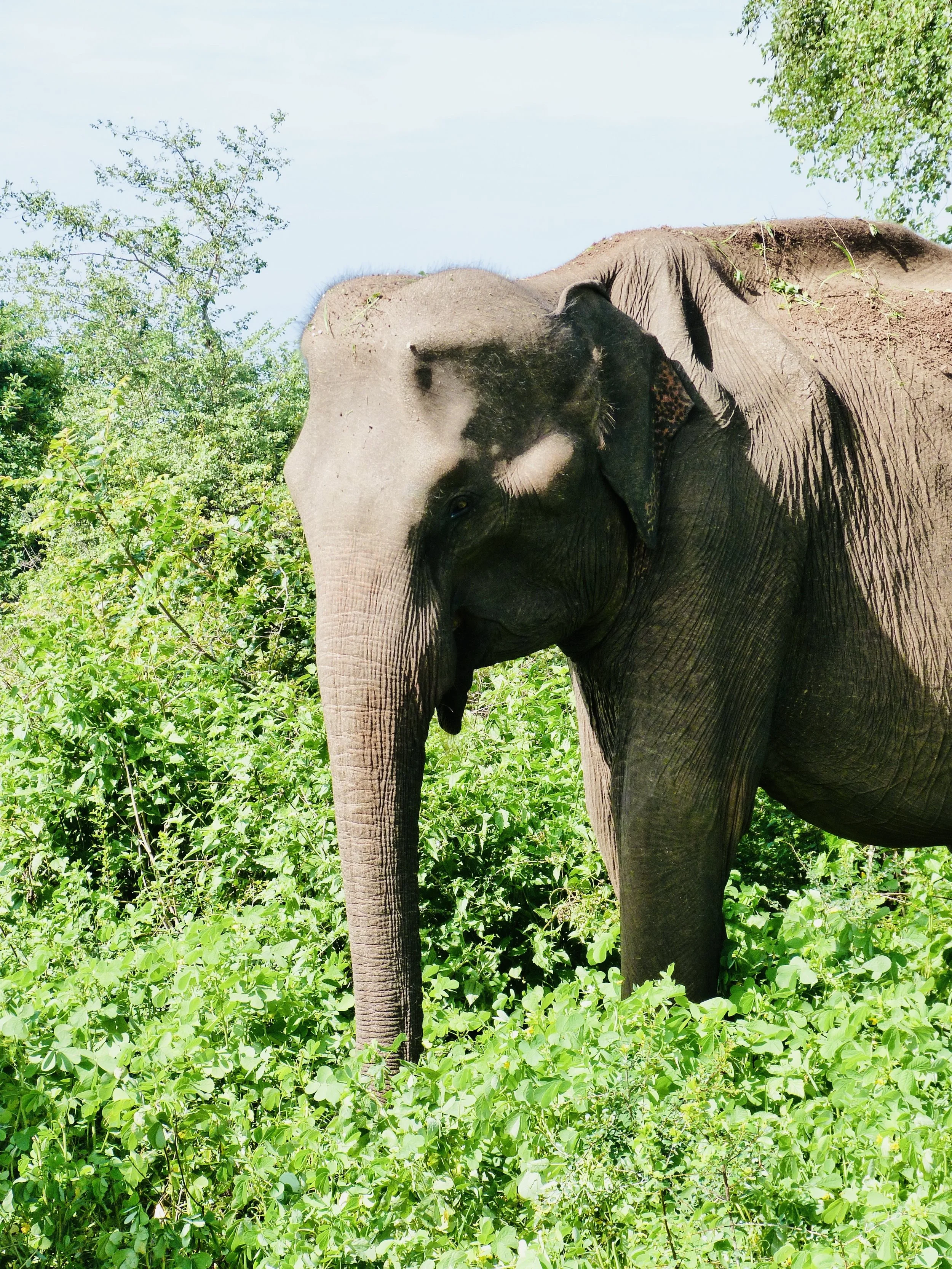
Minneriya National Park, Sri Lanka
RELATED POSTS
Sigiriya is a massive granite peak that rises two hundred metres above the flat plains of central Sri Lanka. This UNESCO site, known as Lion Rock, is more than just a natural landmark. It was a 5th-century capital city built by King Kasyapa, surrounded by a complex system of water gardens, moats and defensive walls.
The climb to the top takes you through different stages of history. Halfway up the rock, two giant stone lion paws mark the entrance to the old palace. On the western side, you will find the mirror wall, which was once polished so the King could see himself. Nearby, ancient frescoes of women are still visible in the rock, preserved for centuries.