
The Ultimate Lincolnshire Guide: Coast, Country & Charm
The Ultimate Lincolnshire Guide: Coast, Country & Charm
words: Sophie Alexander-Osman
photography: Sophie Alexander-Osman
published: July 2, 2026
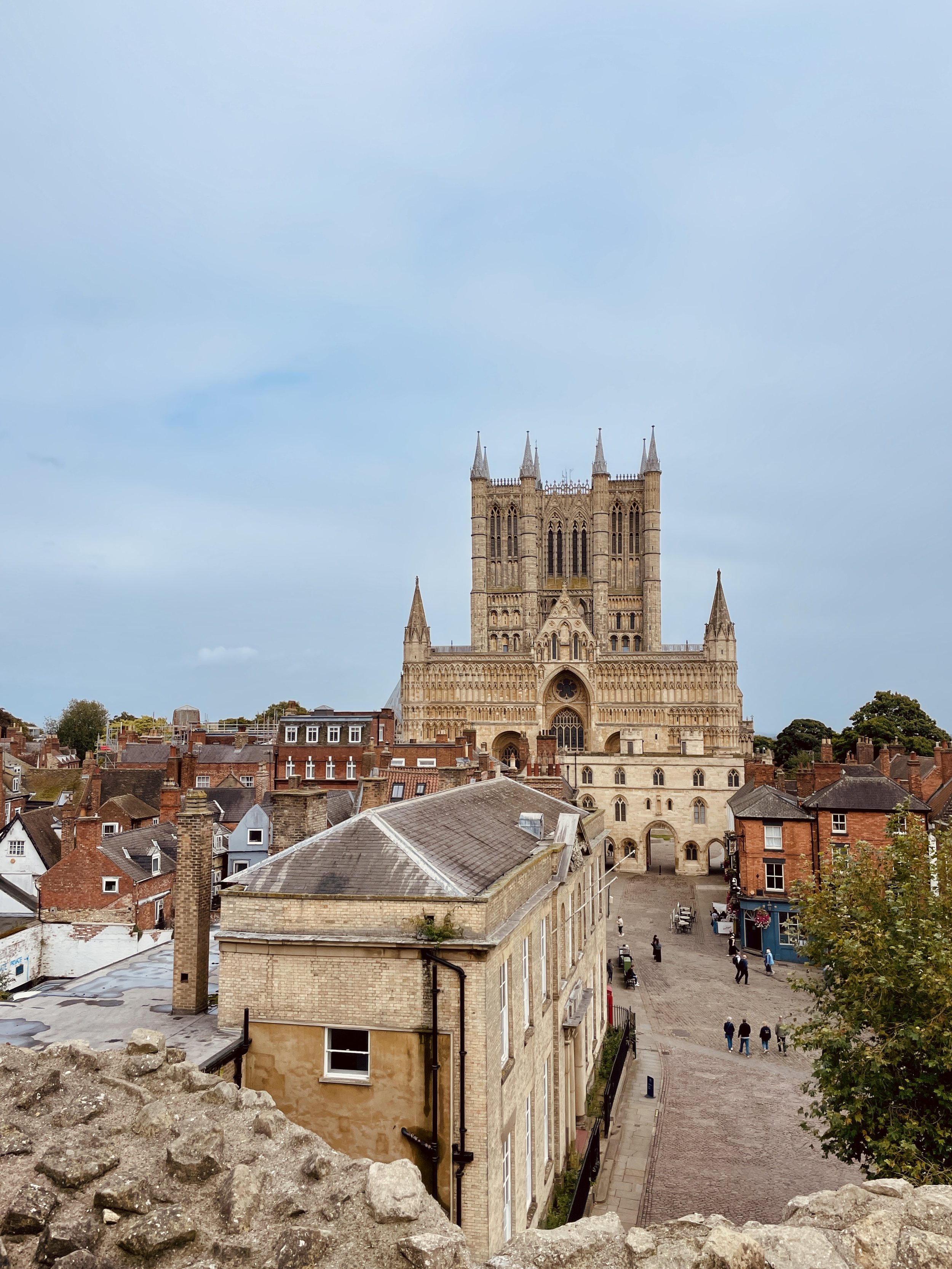
Lincolnshire sits on England’s east coast, where long stretches of open countryside meet an uninterrupted coastline along the North Sea. It is a county defined by space rather than spectacle, where farmland, wetlands and small historic towns sit far apart, connected by quiet roads and wide horizons. Unlike more heavily visited parts of the UK, it moves at a slower rhythm, shaped by agriculture, seasonal tourism and coastal wildlife. This sense of scale is what makes it particularly appealing in summer, when daylight stretches late into the evening and the landscape feels even more open and accessible.
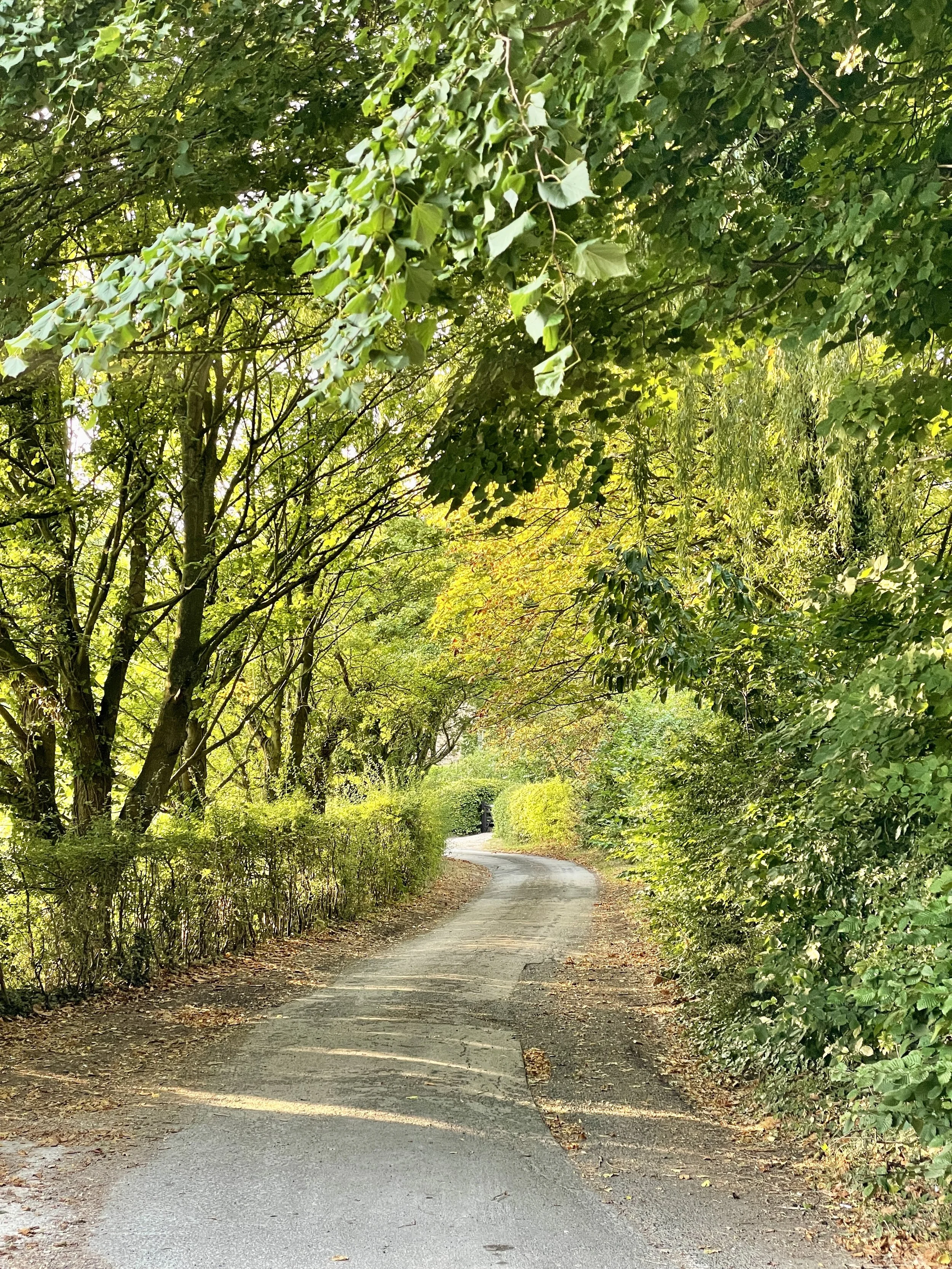
Inland, the county is anchored by historic Lincoln, but much of Lincolnshire’s character lies beyond the city. The Lincolnshire Wolds rise gently across the north-east, an Area of Outstanding Natural Beauty formed of rolling chalk hills, hedgerows and scattered villages. It is a landscape built for walking and cycling rather than driving, with routes that pass through fields, valleys and market towns that have changed little over time. In summer, the Wolds become one of the most rewarding parts of the county, with clear views, long walking days and a sense of complete separation from urban life.
The coastline is where Lincolnshire becomes most varied. Unlike the rugged cliffs of other British coasts, this is a low-lying edge of sand, dunes and wide open beaches that extend for miles without interruption. Skegness brings the traditional British seaside experience, while quieter stretches such as Gibraltar Point and Theddlethorpe Dunes shift into protected nature reserves, where salt marshes, shifting sands and tidal flats create an important habitat for birds and coastal wildlife. In summer, this coastline works in layers, from busy resort beaches to near-empty sections of sand just a short distance away.
What defines Lincolnshire most strongly is this contrast between developed seaside towns, untouched coastal landscapes and rural inland space. Wildlife is a constant presence, from seal colonies along the coast to migratory birds moving through wetlands and observatories. Towns like Woodhall Spa add another layer, offering historic character and slower-paced inland stays, often used as a base for exploring both countryside and coast. Together, these elements create a county that is not shaped around one defining destination, but a series of experiences that unfold gradually.
In summer, Lincolnshire is at its most accessible. The weather is generally mild rather than extreme, the coastline is open for long walks, and the countryside becomes fully navigable. It is not a place built around landmarks alone, but around movement between them, where each part of the county offers a different perspective on the same landscape.
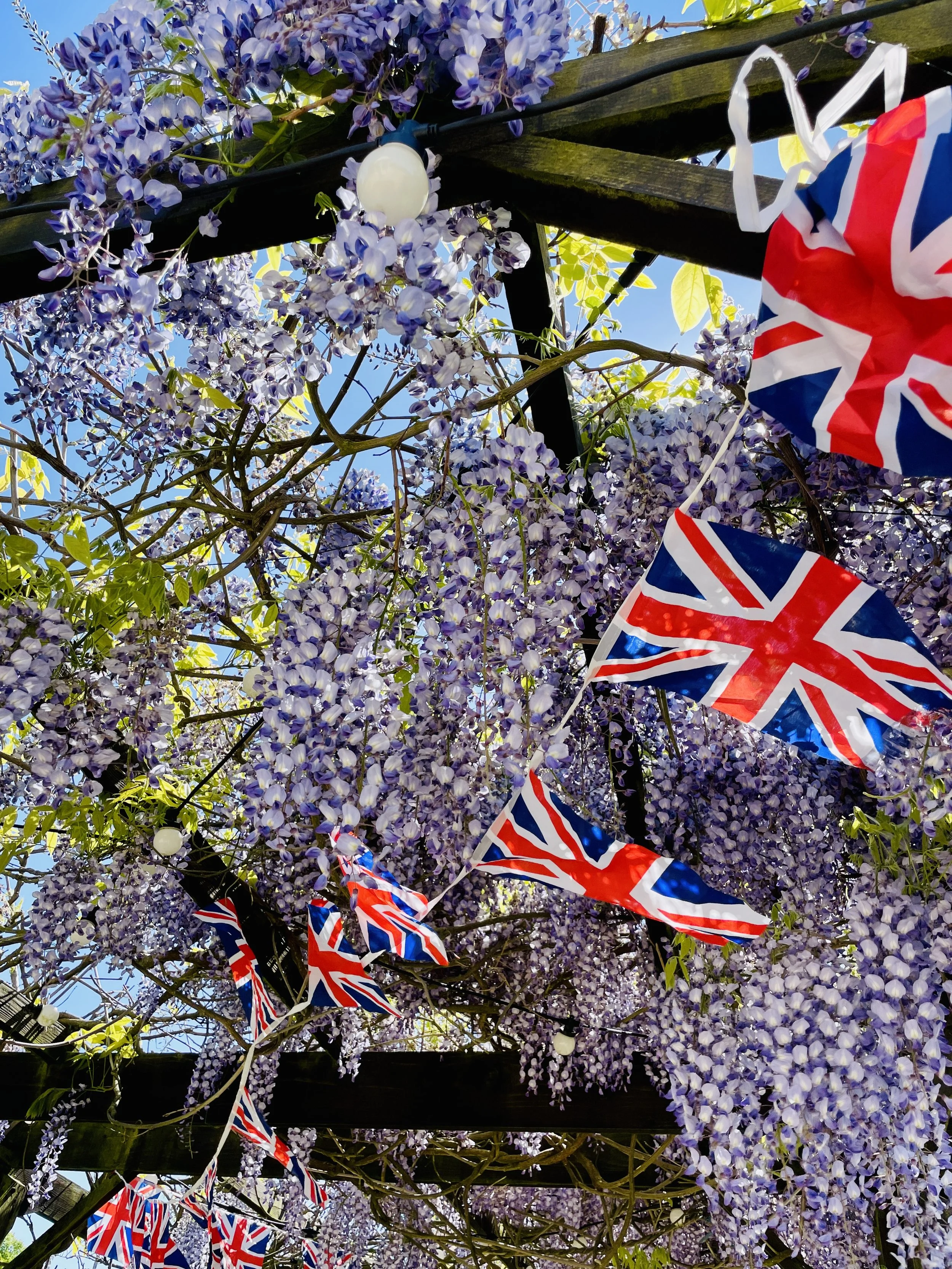

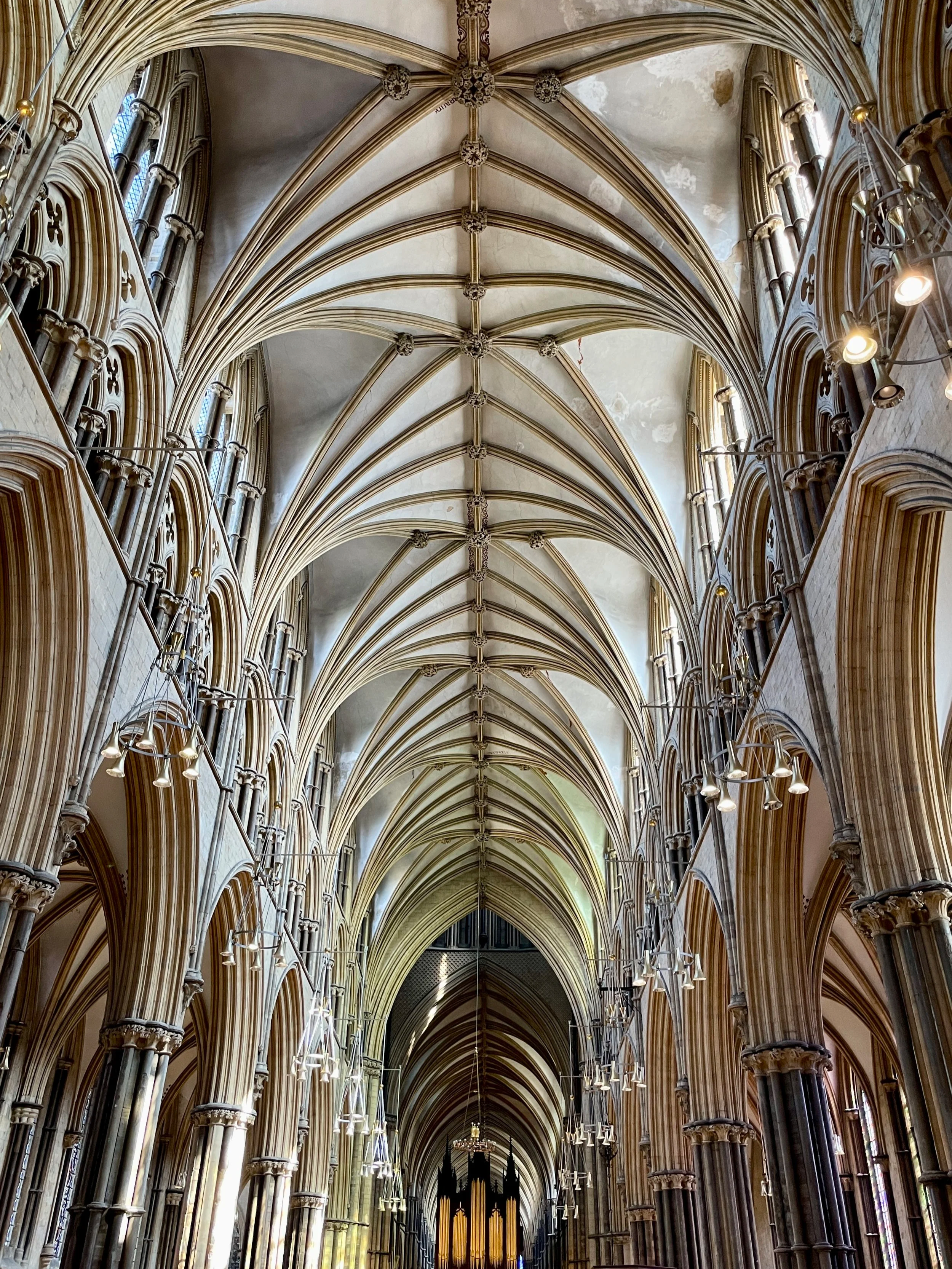
Lincoln Cathedral
One of England’s most significant Gothic cathedrals, Lincoln Cathedral was built between the 11th and 14th centuries and once stood as the tallest building in the world. It is known for its vaulted ceilings, medieval architecture and hilltop position overlooking the city. Inside, visitors can see the medieval choir, stained glass windows and one of the four surviving original copies of the Magna Carta nearby at Lincoln Castle.
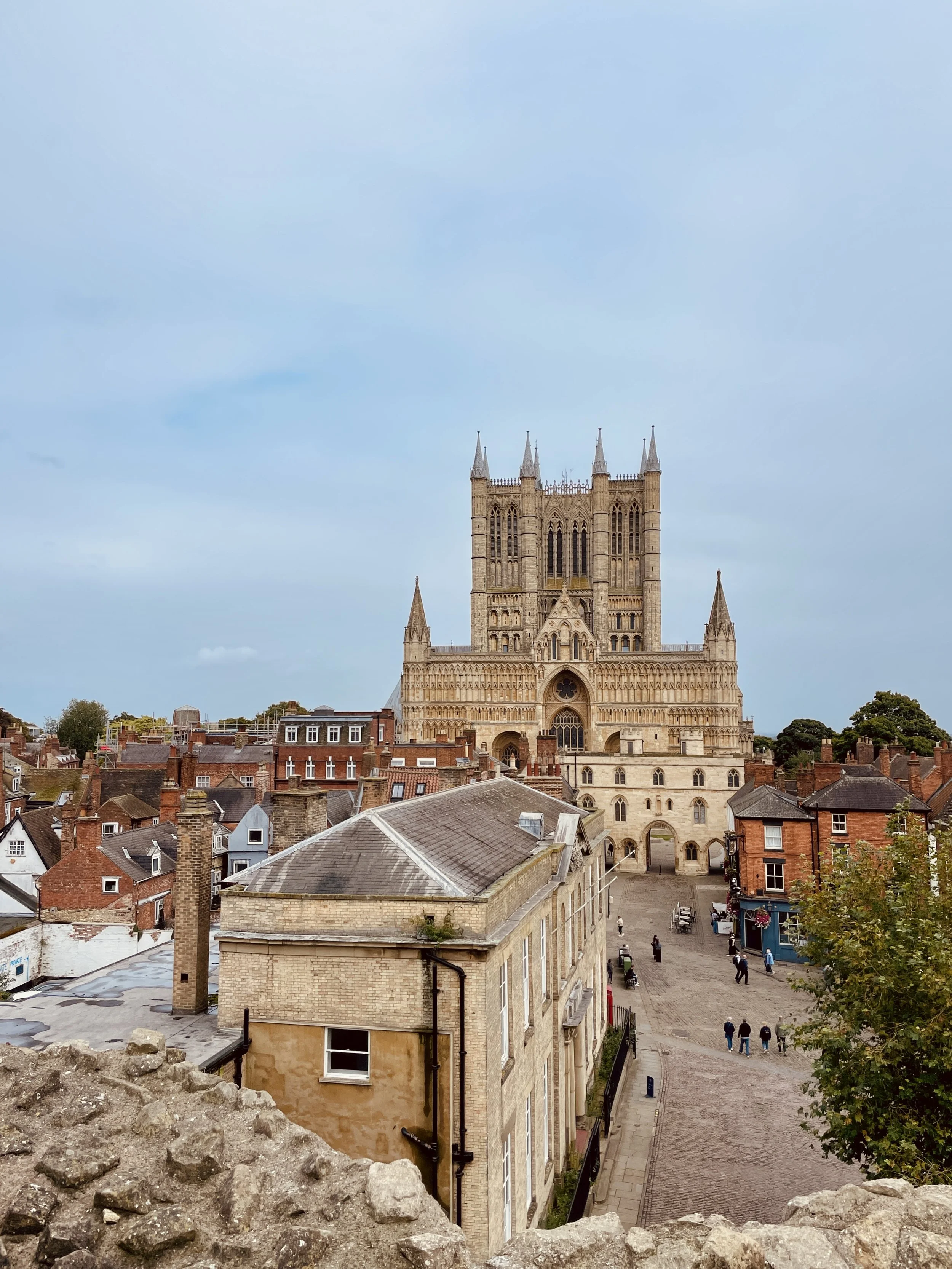
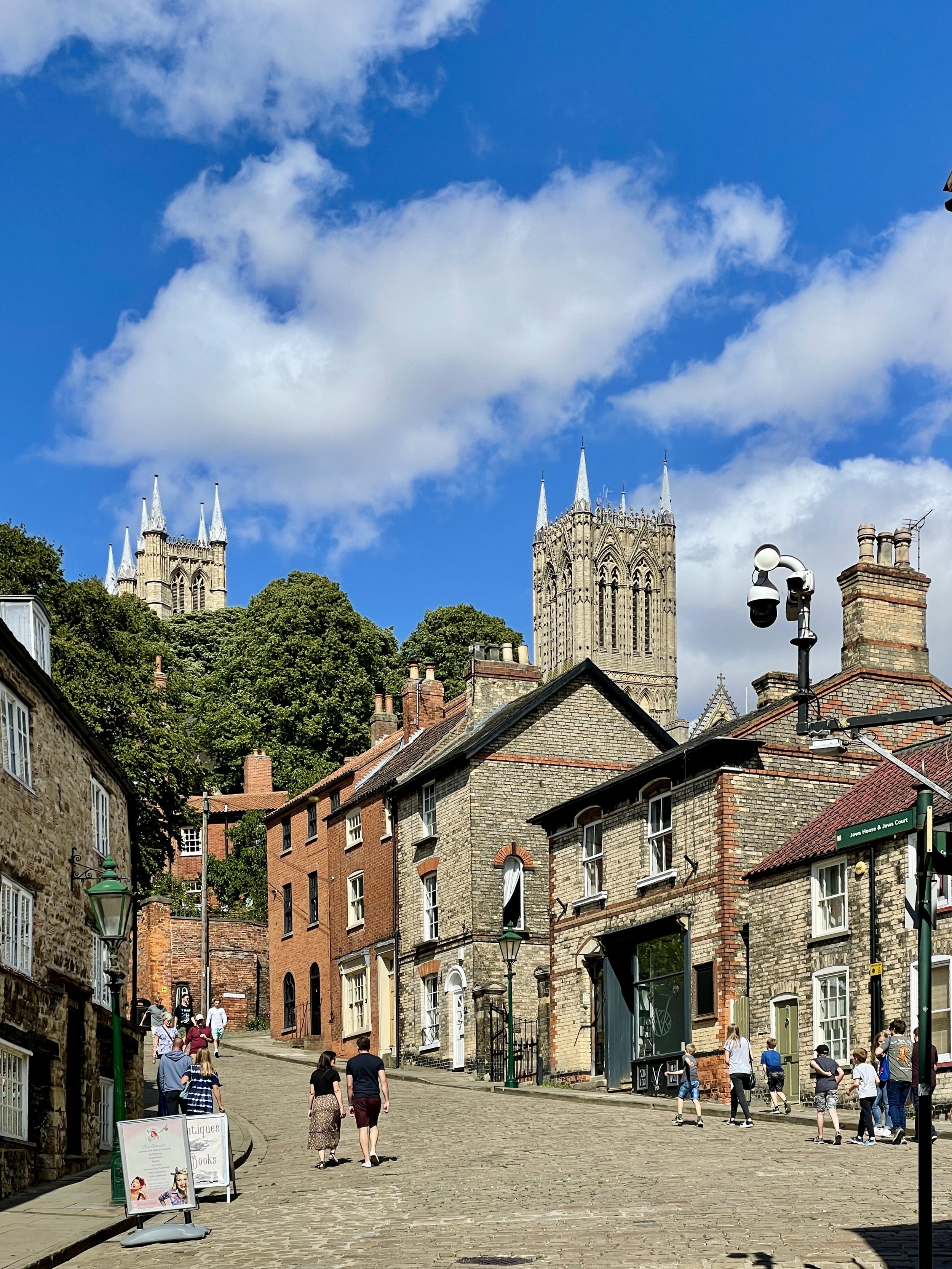
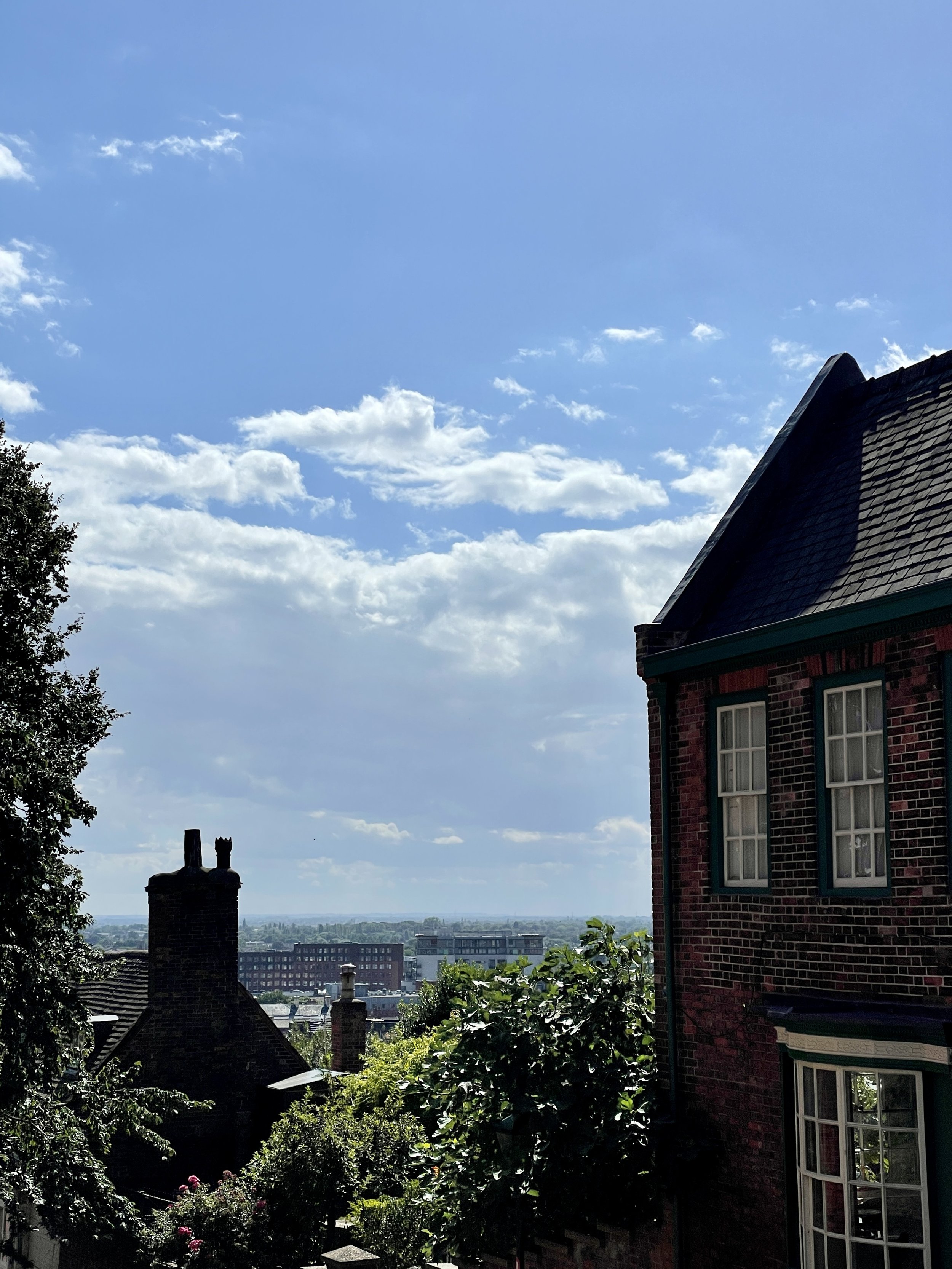
Steep Hill
Connecting Lincoln’s historic upper and lower quarters, Steep Hill is a cobbled street lined with independent shops, cafés, antique stores and historic buildings. The incline leads directly towards Lincoln Cathedral and the castle, making it one of the city’s most recognisable streets and a key part of exploring Lincoln on foot.
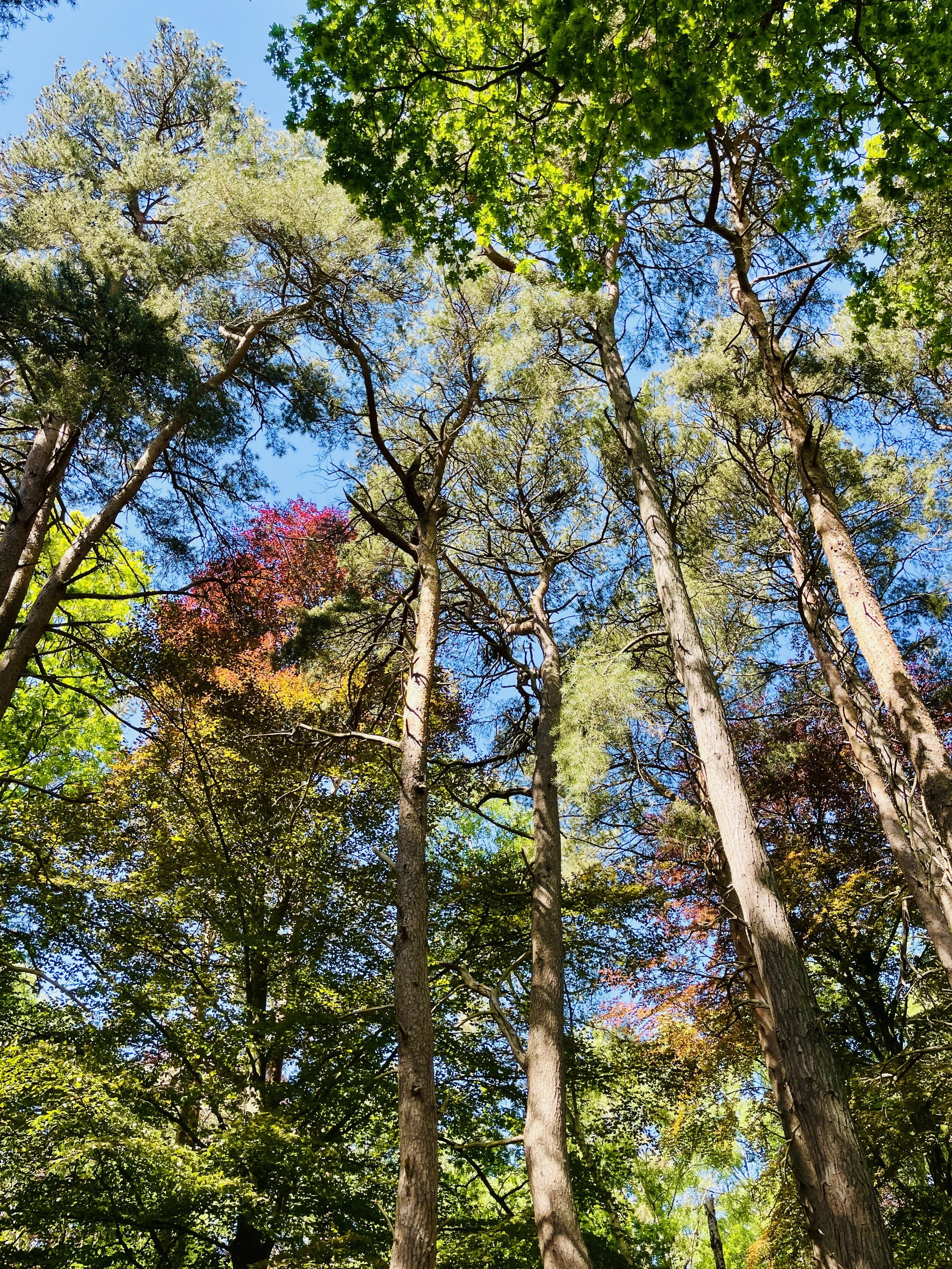
Woodhall Spa
Originally developed as a spa town in the 19th century, Woodhall Spa is known for its tree-lined streets, Edwardian character and slower pace. The village is home to the Kinema in the Woods, one of the UK’s oldest cinemas, as well as golf courses, walking trails and nearby woodland. It is often used as a base for exploring central Lincolnshire.

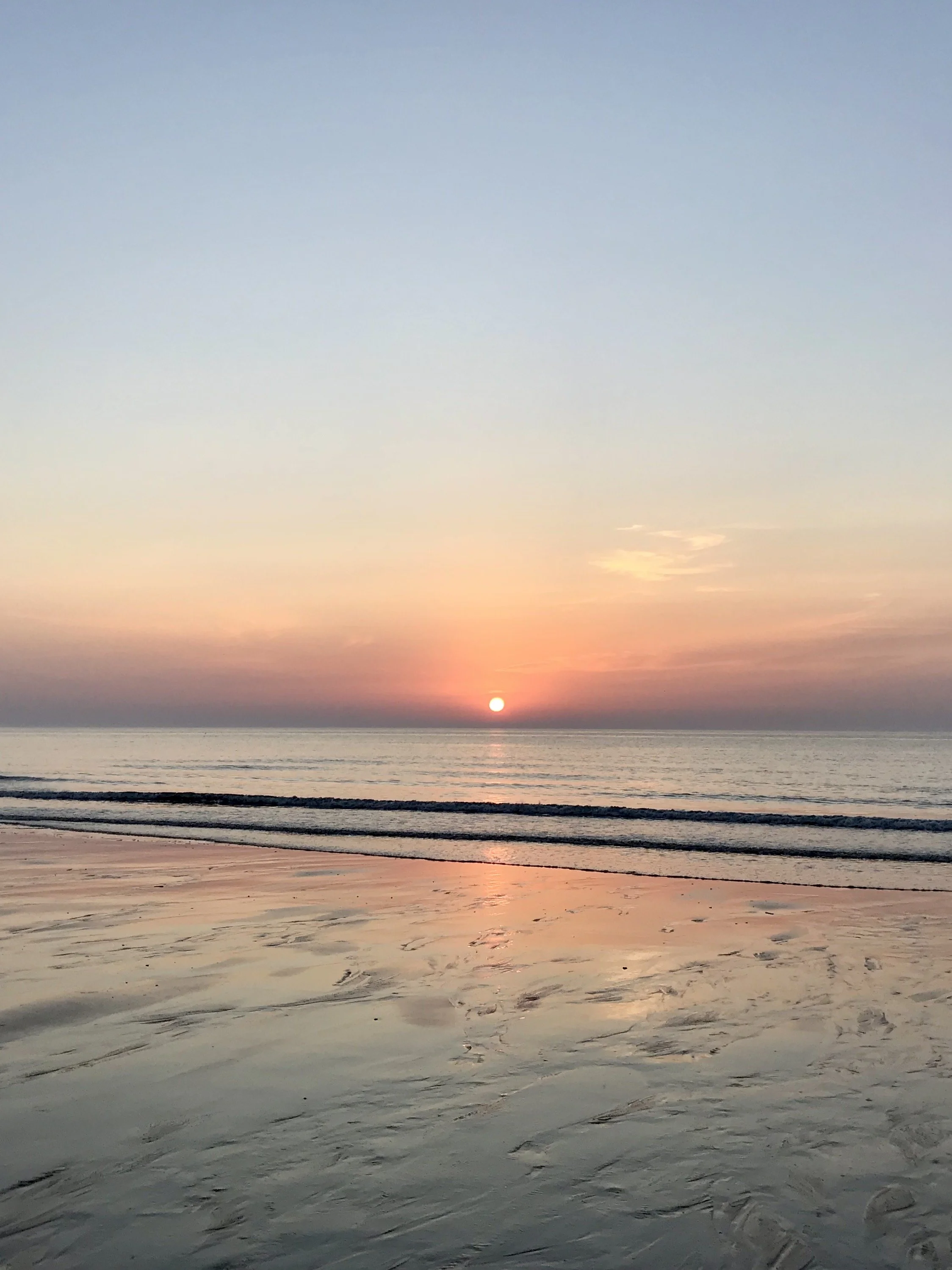
Skegness Beach
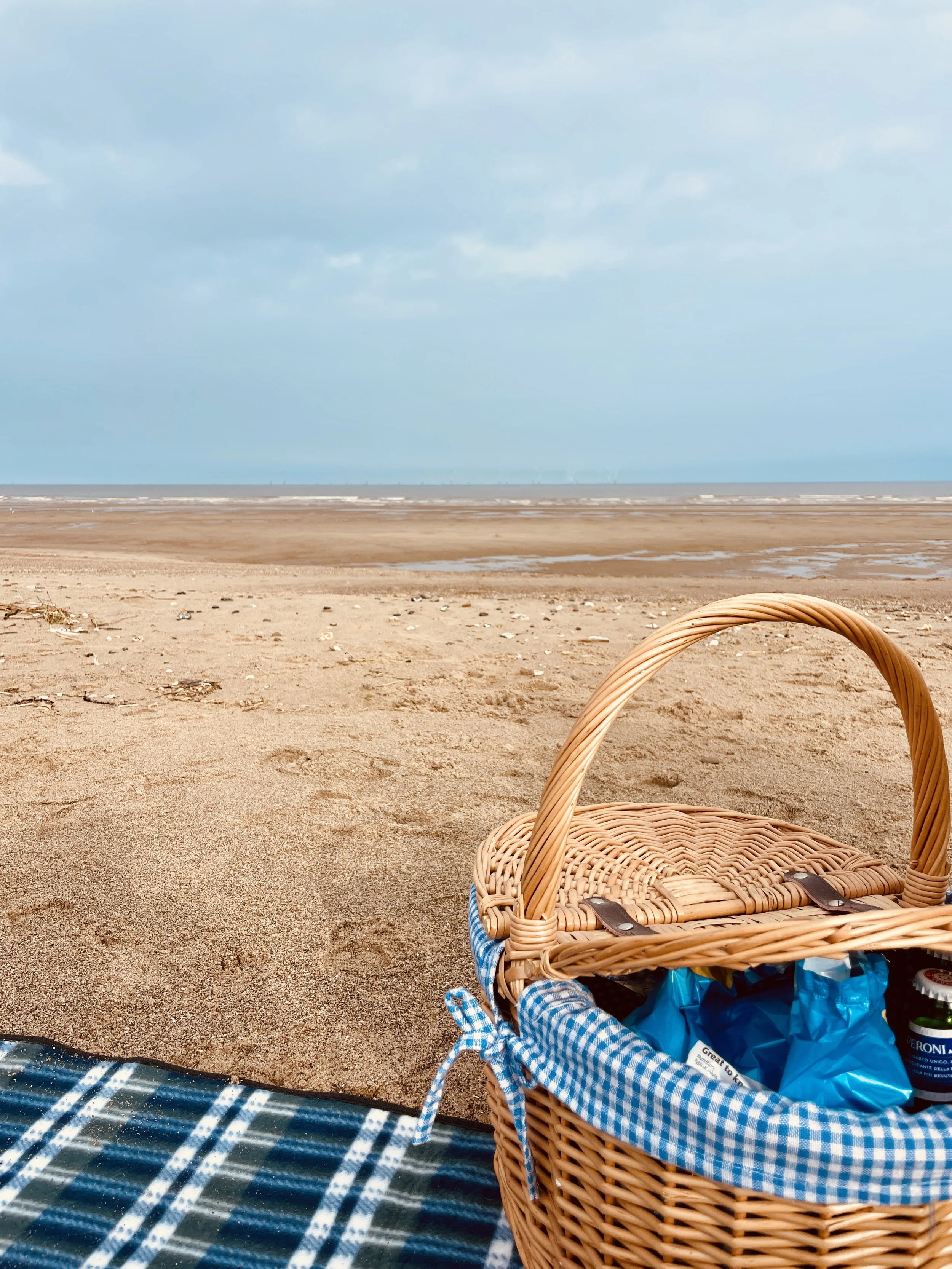
Skegness Beach is one of Lincolnshire’s best-known seaside destinations, with a long sandy shoreline stretching along the east coast. The town combines traditional British seaside attractions with wide beaches, amusement arcades, promenades and seasonal events. It remains especially popular during summer for family holidays and coastal walks.
Donna Nook
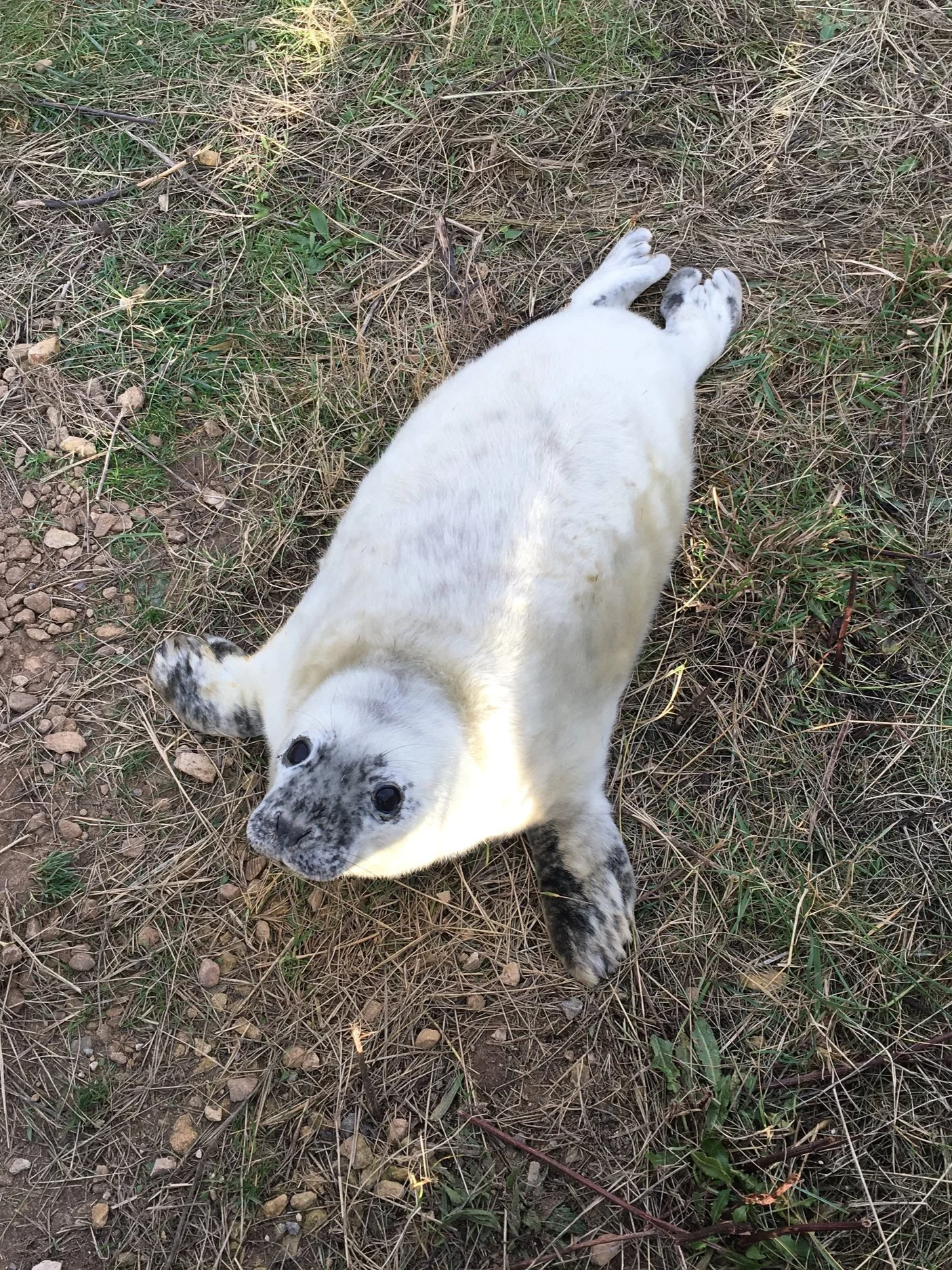
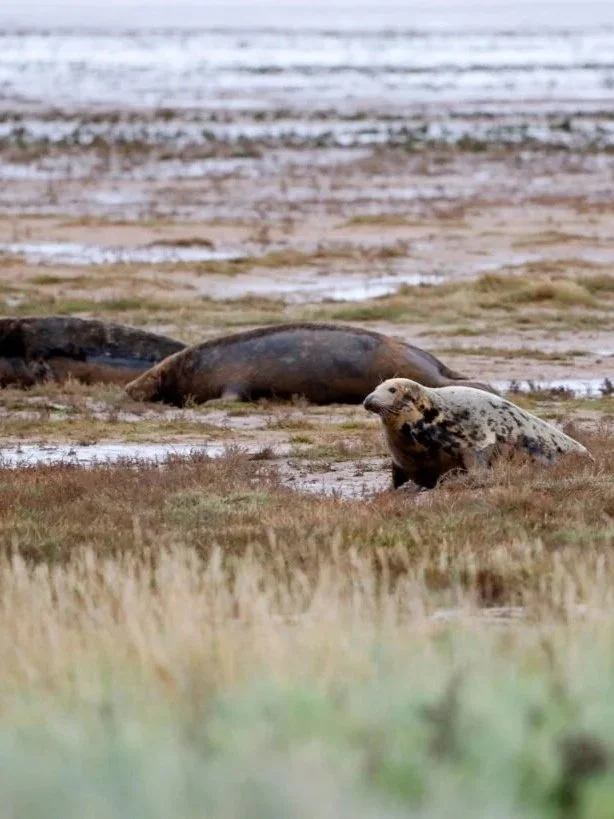
Donna Nook is a coastal nature reserve best known for its large grey seal colony. Between November and December, thousands of seals arrive along the shoreline during pupping season, making it one of the UK’s most important wildlife sites. Viewing areas and walking routes allow visitors to observe the seals while protecting the surrounding dunes and habitats.
Gibraltar Point
Located near Skegness, Gibraltar Point National Nature Reserve covers dunes, salt marshes, lagoons and sandy coastline along the North Sea. The reserve is an important habitat for migratory birds and native wildlife, with walking trails, observation points and seasonal birdwatching throughout the year. Its landscape contrasts sharply with the busier nearby seaside towns.
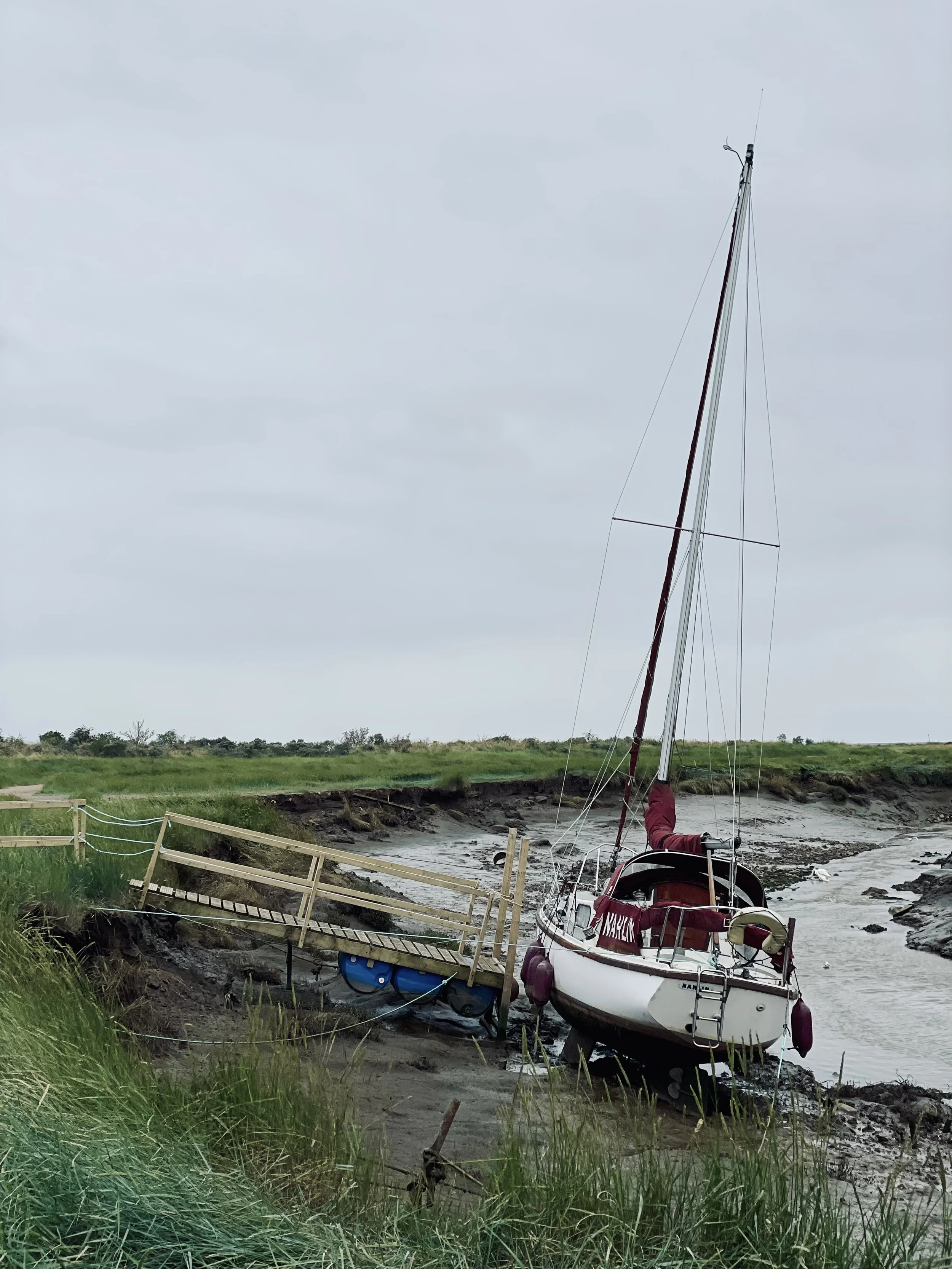
Theddlethorpe Dunes
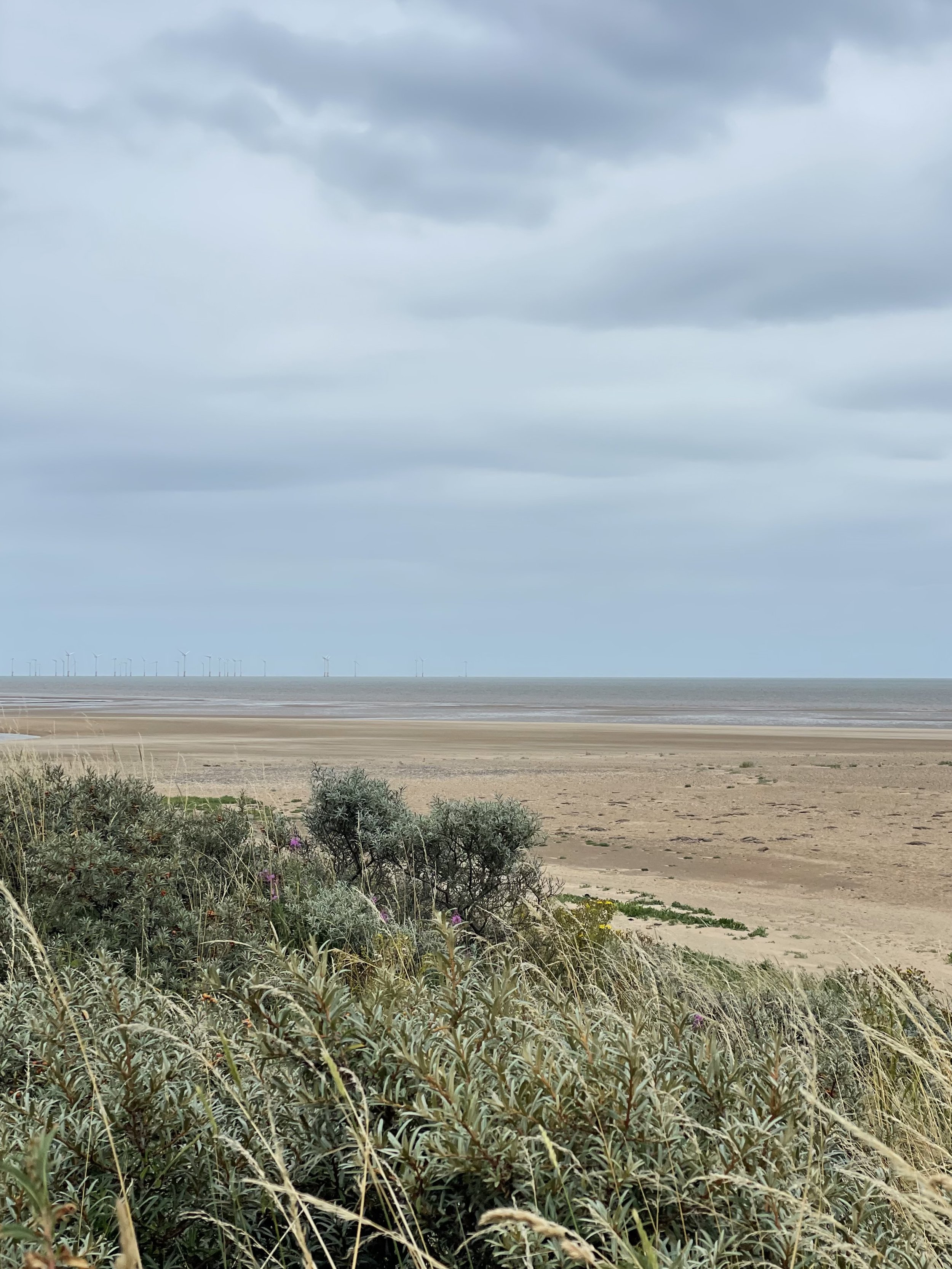
Theddlethorpe Dunes is a quieter stretch of protected coastline known for its sand dunes, nature trails and open beaches. Part of the Lincolnshire Coastal Country Park, the area supports diverse wildlife and native plant species while offering access to less developed sections of the county’s east coast.
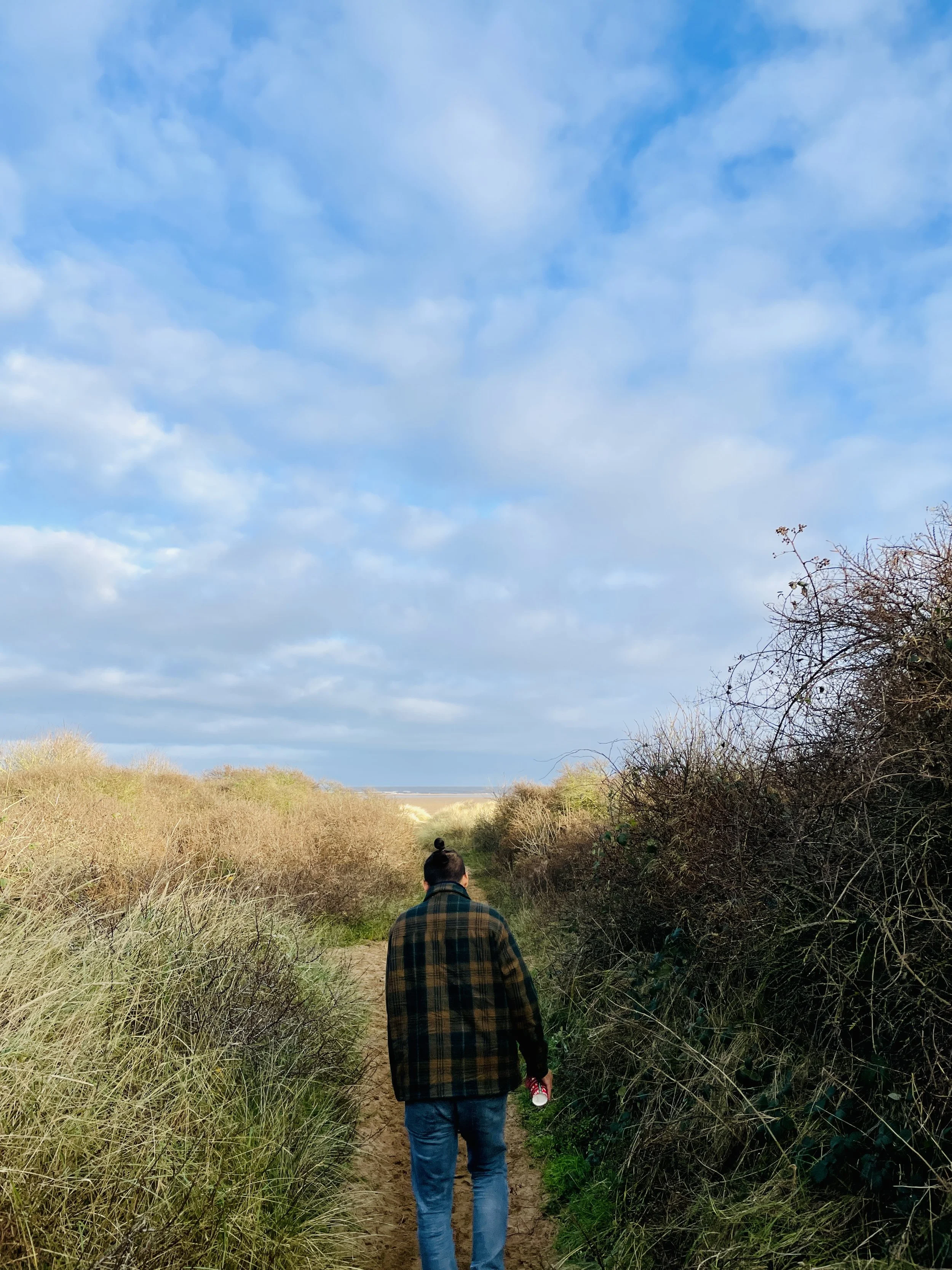
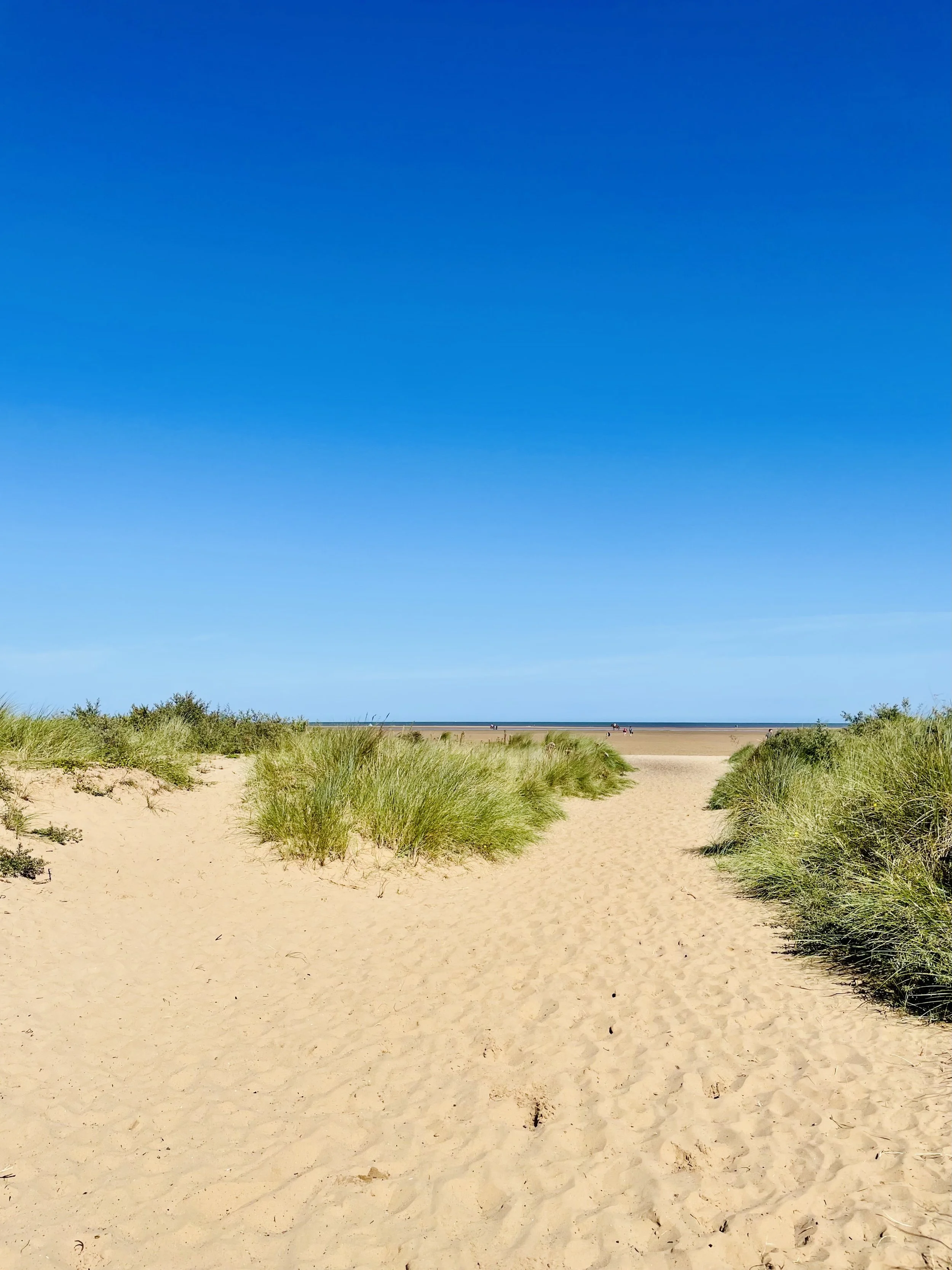
Lincolnshire Wolds
Designated a National Landscape, the Lincolnshire Wolds is a rural area of rolling hills, market towns and countryside villages in the north-east of the county. The region is known for walking routes, cycling trails and scenic roads that pass through farmland, valleys and historic settlements, offering a quieter alternative to England’s busier national parks.
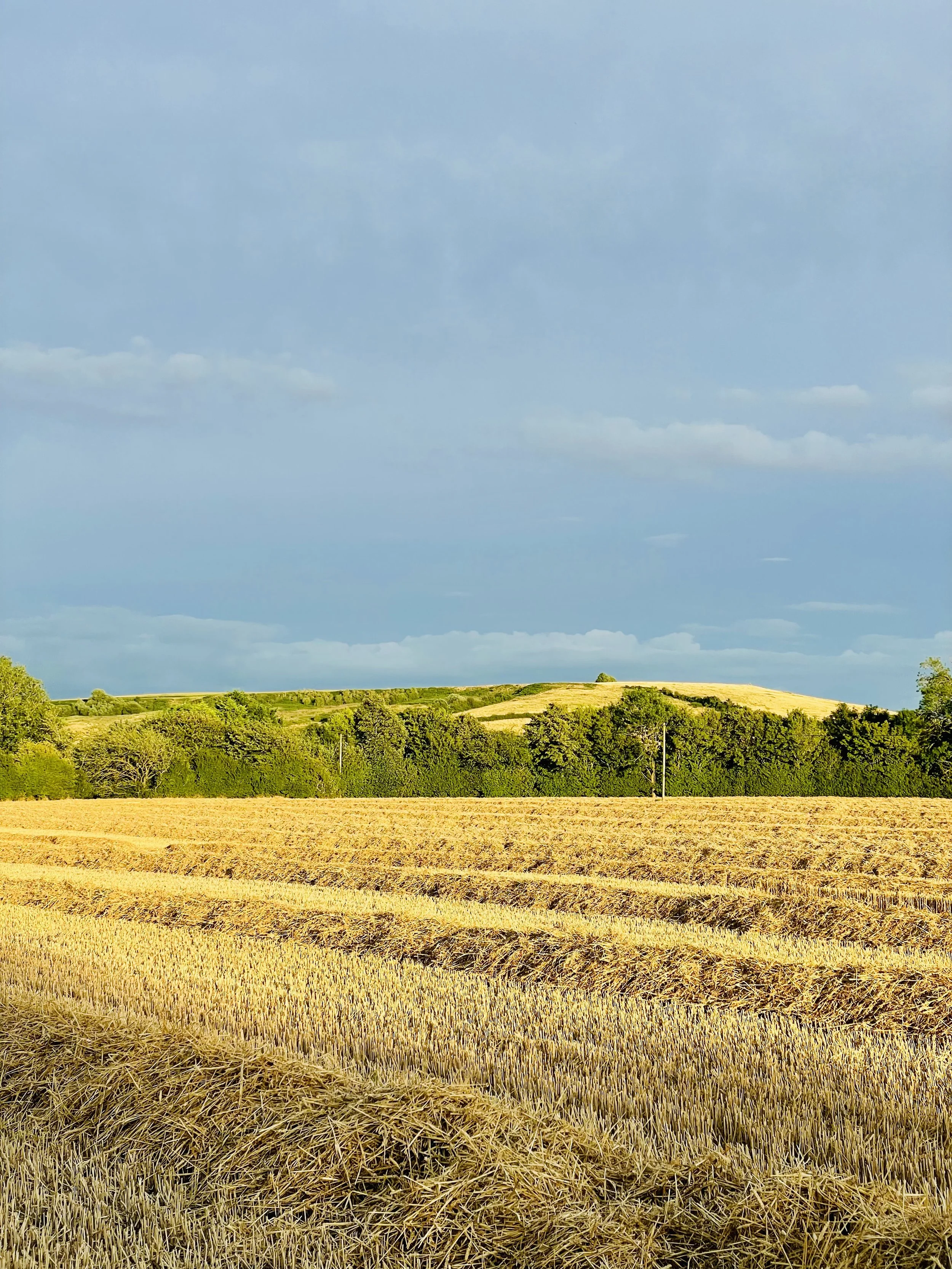
North Sea Observatory
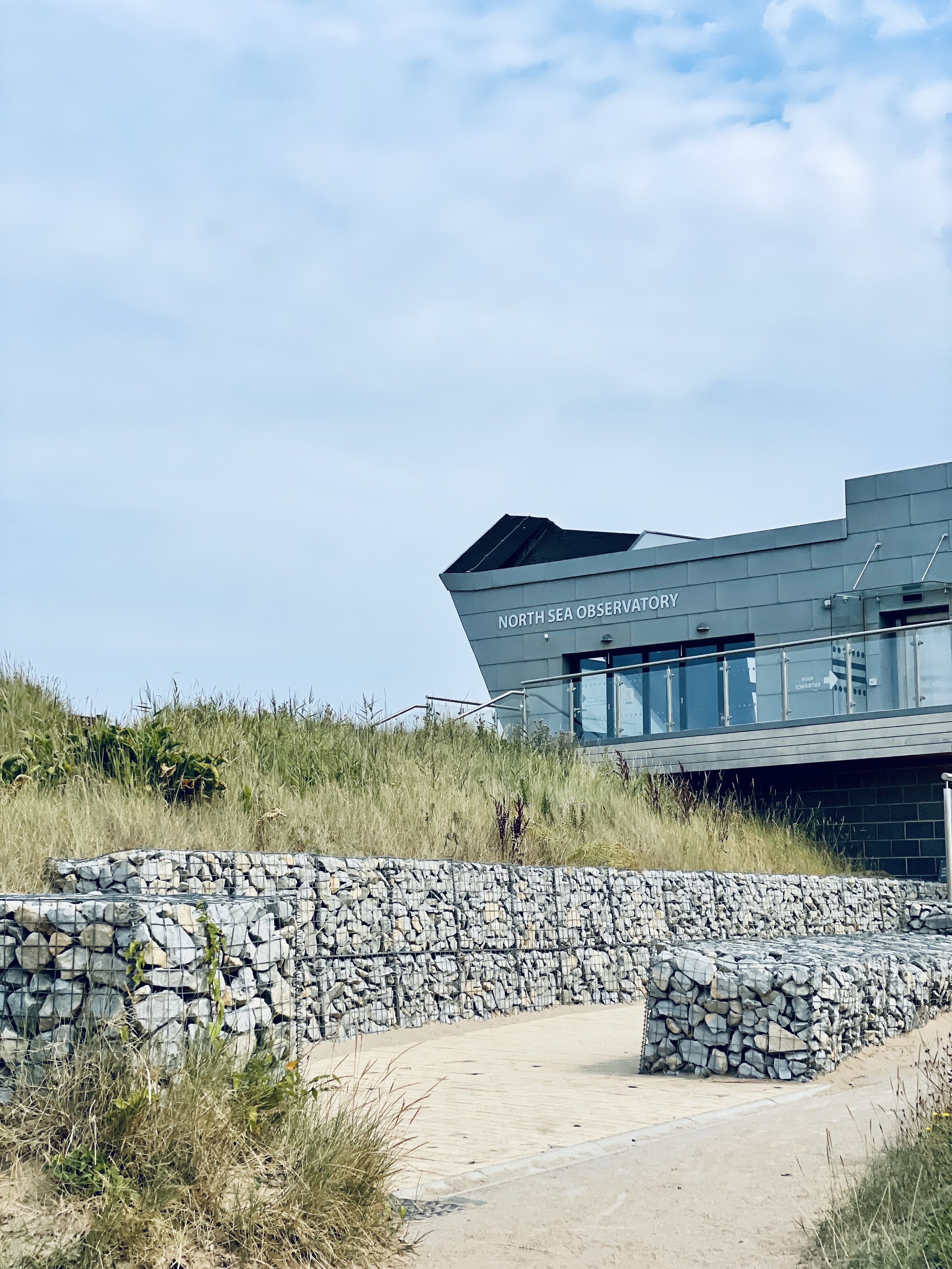
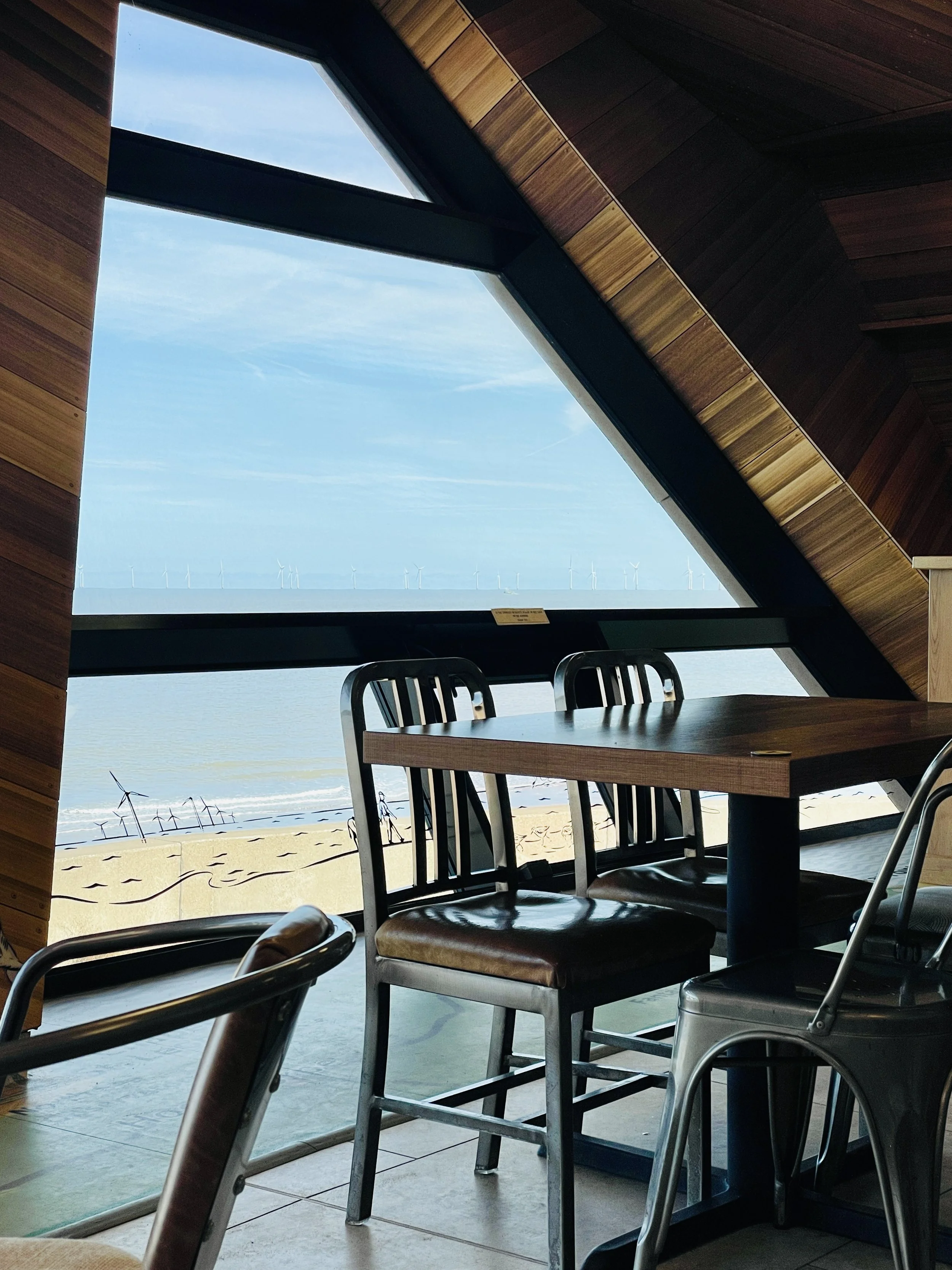
Located on the Lincolnshire coast near Chapel St Leonards, the North Sea Observatory is a wildlife and bird observatory focused on coastal migration and conservation. The site attracts birdwatchers throughout the year, particularly during migration seasons, and provides access to surrounding dunes, wetlands and coastal habitats along the North Sea shoreline. There is also a café on site with incredible views looking over the beach and out to sea.
Belvoir Castle
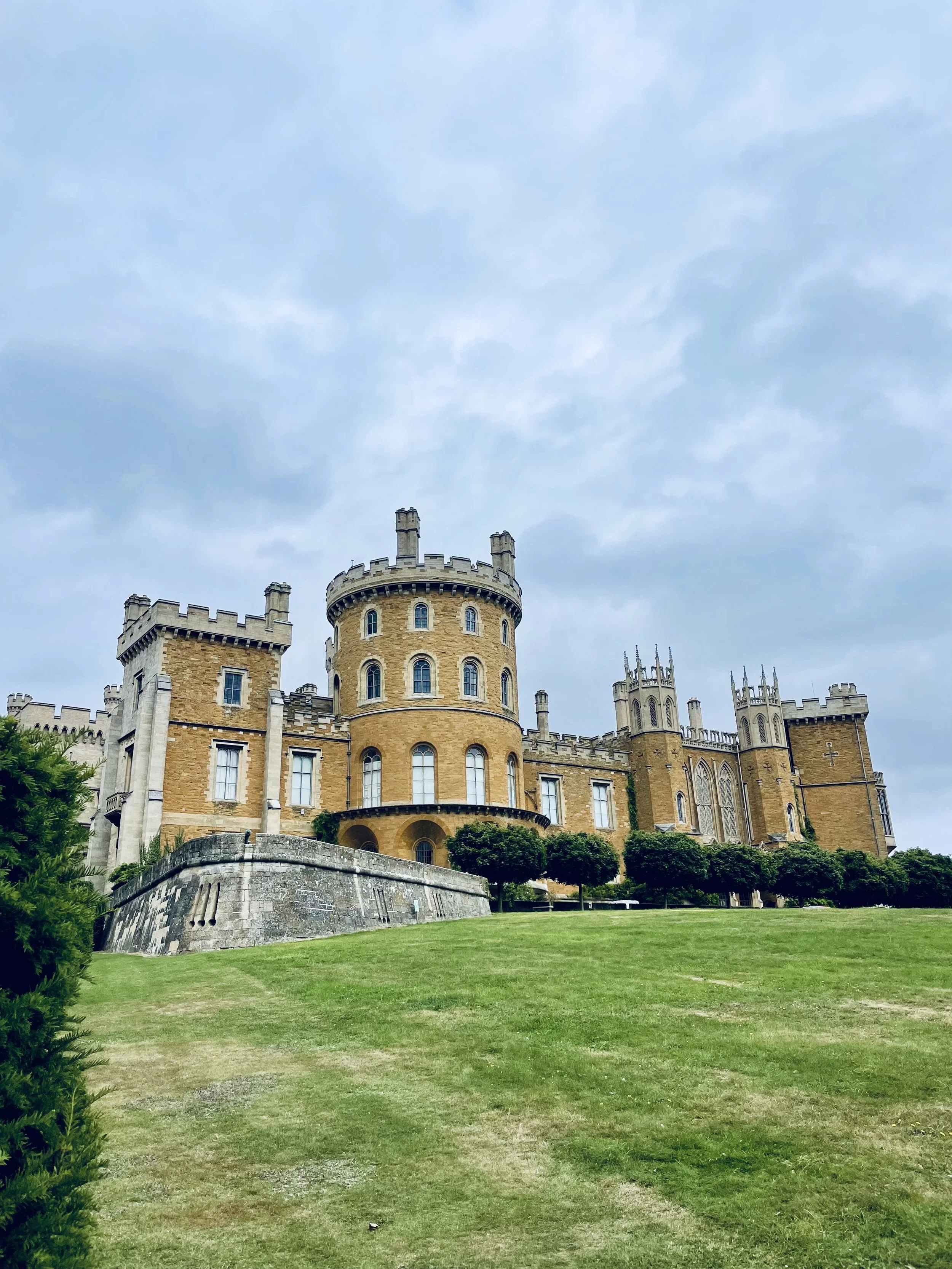
Perched on a hilltop near Grantham, Belvoir Castle is a fairy-tale Regency masterpiece offering panoramic views across the vale. Though just over the Leicestershire border, this romantic fortress serves as a spectacular gateway to the region—boasting Capability Brown gardens, boutique artisan shopping, and battlements so high you can see Lincoln Cathedral on a clear day.
RELATED POSTS

Lincolnshire sits on England’s east coast, where long stretches of open countryside meet an uninterrupted coastline along the North Sea. It is a county defined by space rather than spectacle, where farmland, wetlands and small historic towns sit far apart, connected by quiet roads and wide horizons. Unlike more heavily visited parts of the UK, it moves at a slower rhythm, shaped by agriculture, seasonal tourism and coastal wildlife. This sense of scale is what makes it particularly appealing in summer, when daylight stretches late into the evening and the landscape feels even more open and accessible.