
The Prettiest Villages in the Cotswolds
The Prettiest Villages in the Cotswolds
words: Sophie Alexander-Osman
photography: Sophie Alexander-Osman
published: July 20, 2026
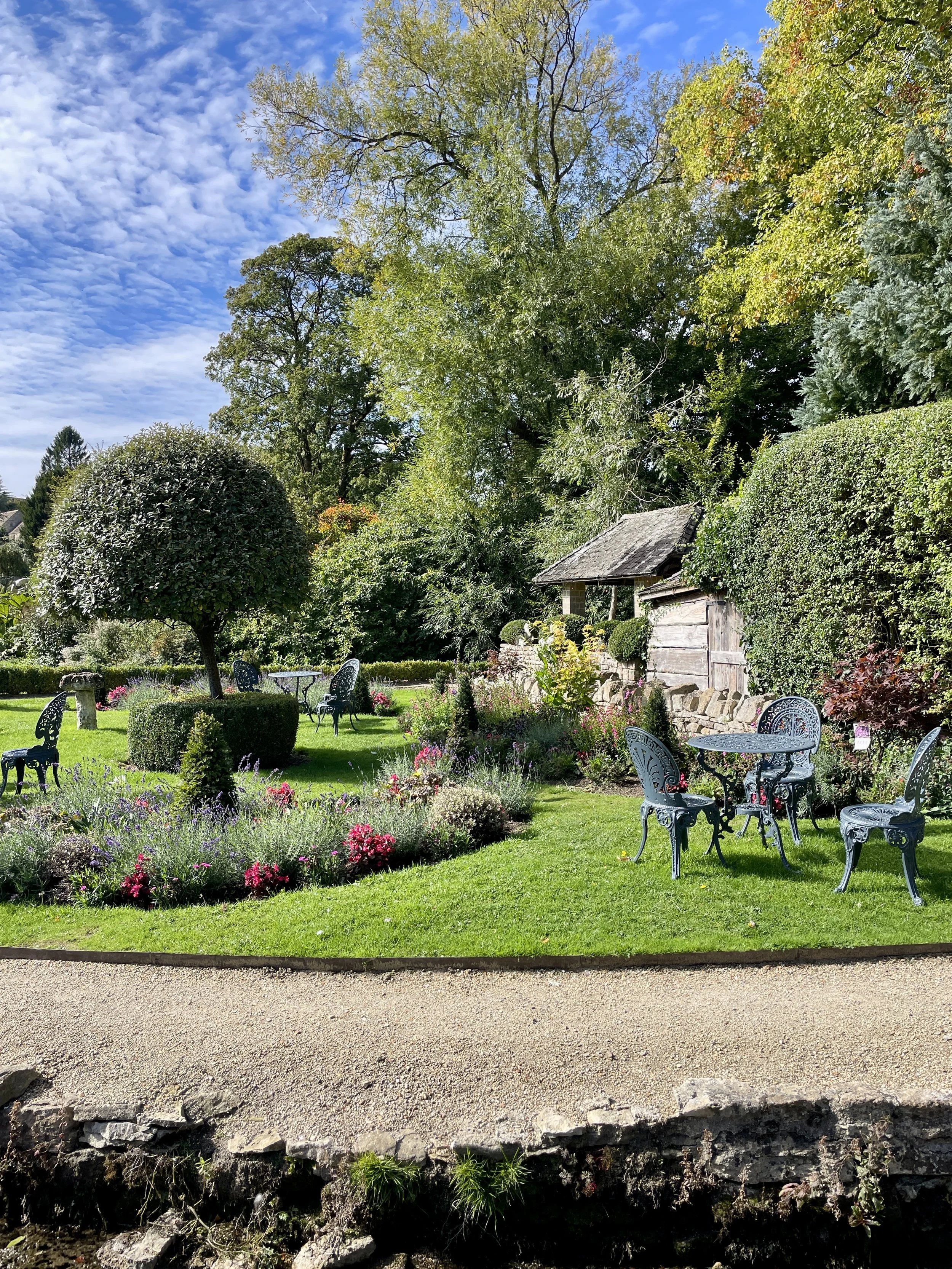
The Cotswolds has recently undergone a radical transformation from a quiet rural retreat into a global digital phenomenon. This surge is primarily driven by the TikTok effect, where the region's honey-coloured Jurassic limestone and lopsided medieval hamlets have become the face of a viral English aesthetic. Once known only to local walkers and historians, these villages now face a massive influx of international tourists who view the 17th-century streets as the ultimate high-contrast backdrop for travel content. This newfound status as a social media honeypot has turned ancient wool towns into essential bucket-list destinations for a new generation of travellers.
The magnetism of these villages lies in their stubborn refusal to change, creating a surreal tension between medieval architecture and modern-day fame. While the streets were originally designed for horse-and-cart trade, they now host a cosmopolitan crowd seeking Old England authenticity. This popularity has revitalised the local landscape, seeing historic coaching inns and former tithe barns repurposed into high-end galleries and sophisticated farm-to-table eateries. It is a rare destination where 400-year-old stone remains the primary trend, proving that heritage is currently the most valuable currency in the global travel market.
To experience the region’s true character away from the peak summer congestion, the extended season from September through to May is the definitive choice. Autumn (September–November) is widely considered the best window for photography; the fall colours peak in late October and the viral spots are significantly quieter. For walkers and gardeners, Spring (April–May) offers blooming wisteria, wildflowers, and newborn lambs in the fields. Even the Winter months (December–March) provide a cosy, romantic atmosphere with frosted landscapes and roaring pub fires. By opting for these months and sticking to weekdays, travellers can reclaim the silence and peace that define the authentic Cotswold experience.
Castle Combe
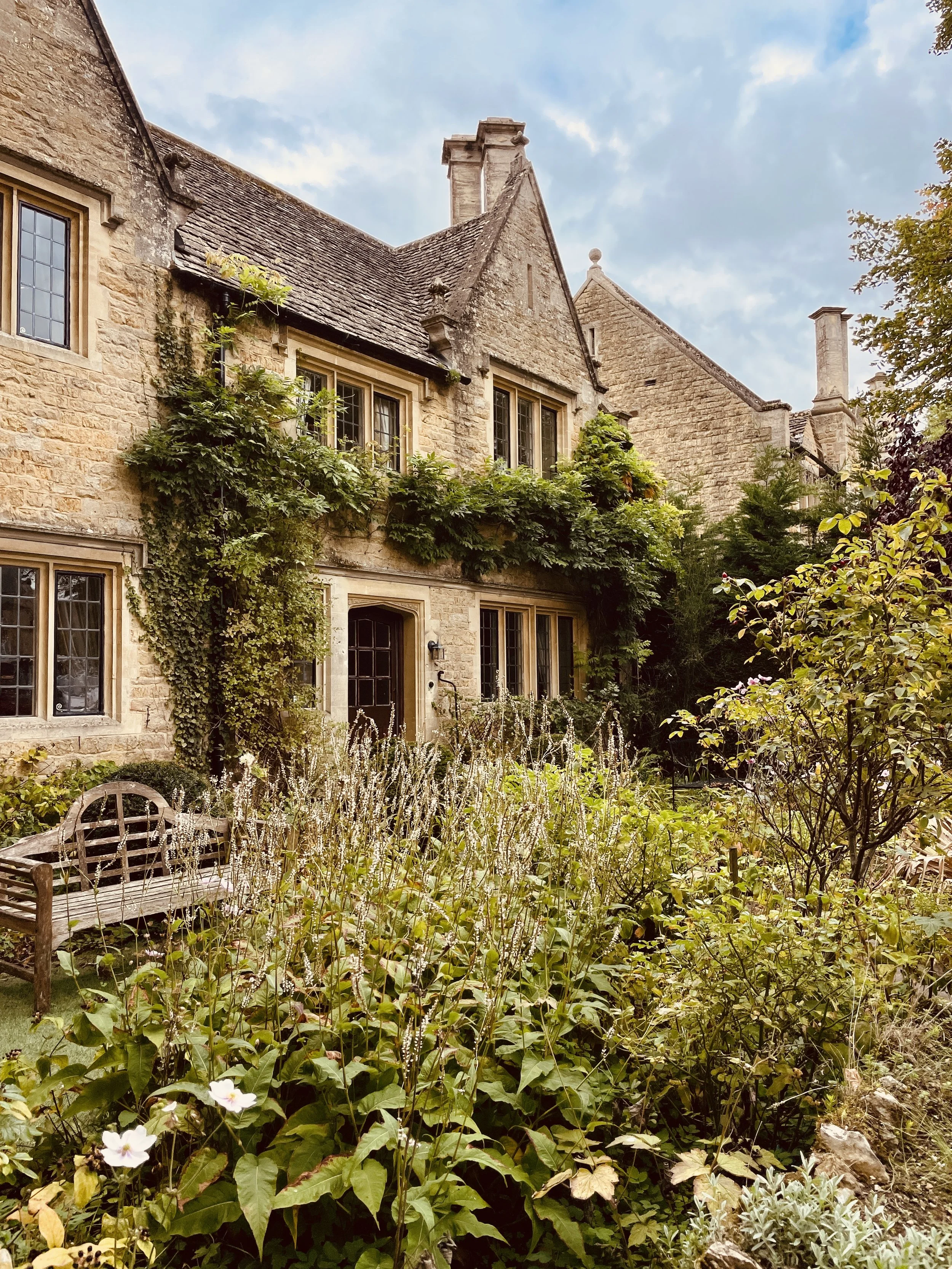
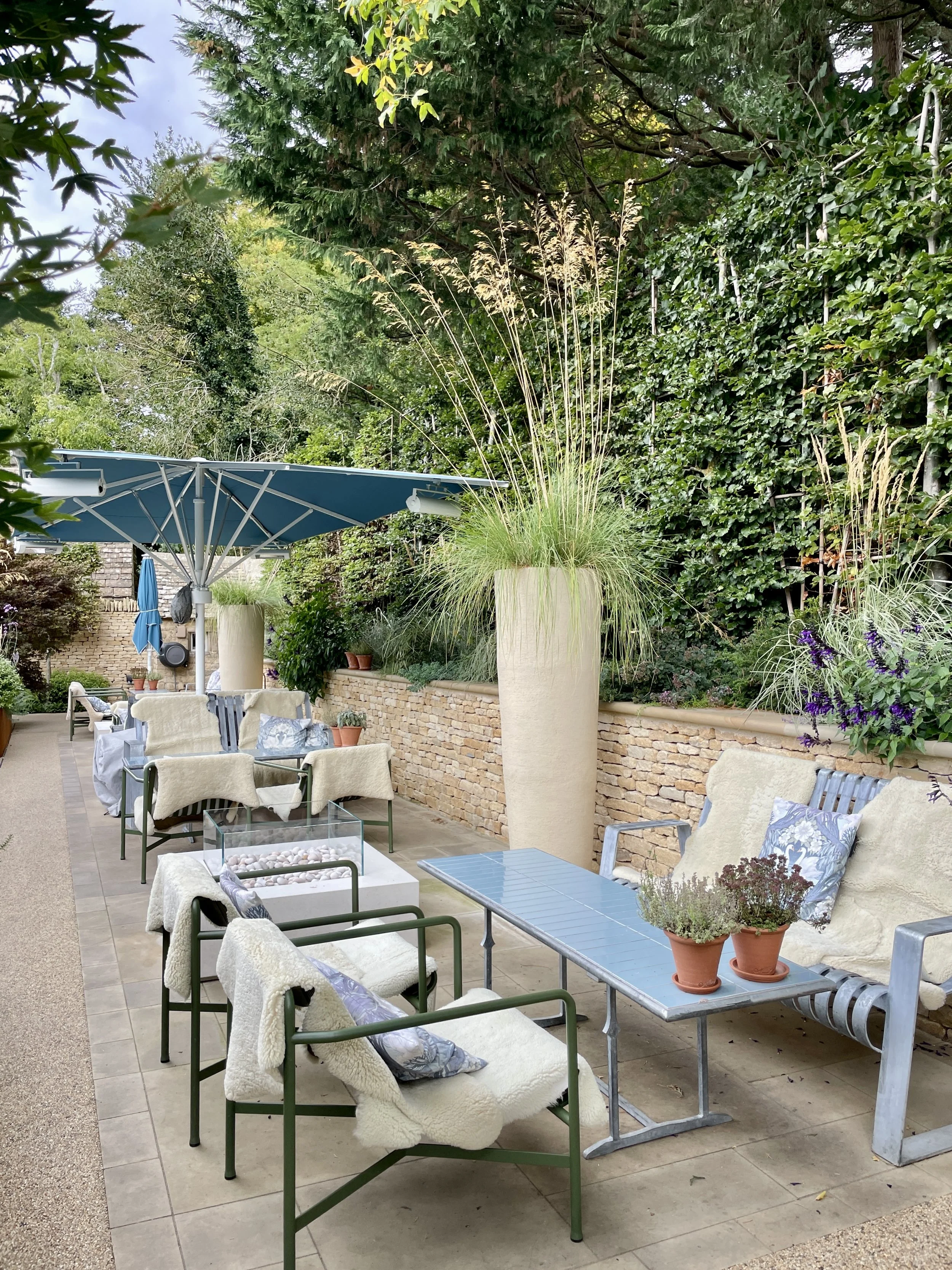
Frequently cited as the prettiest village in England, Castle Combe is a perfectly preserved medieval settlement in the southern Cotswolds. It is notable for its total lack of modern construction, with no new houses built here since the 1600s. The village is defined by its 14th-century market cross and the iconic stone bridge over the River Bybrook, which has served as a backdrop for numerous major motion pictures. To see it without the crowds, an early morning arrival is essential.
Bibury
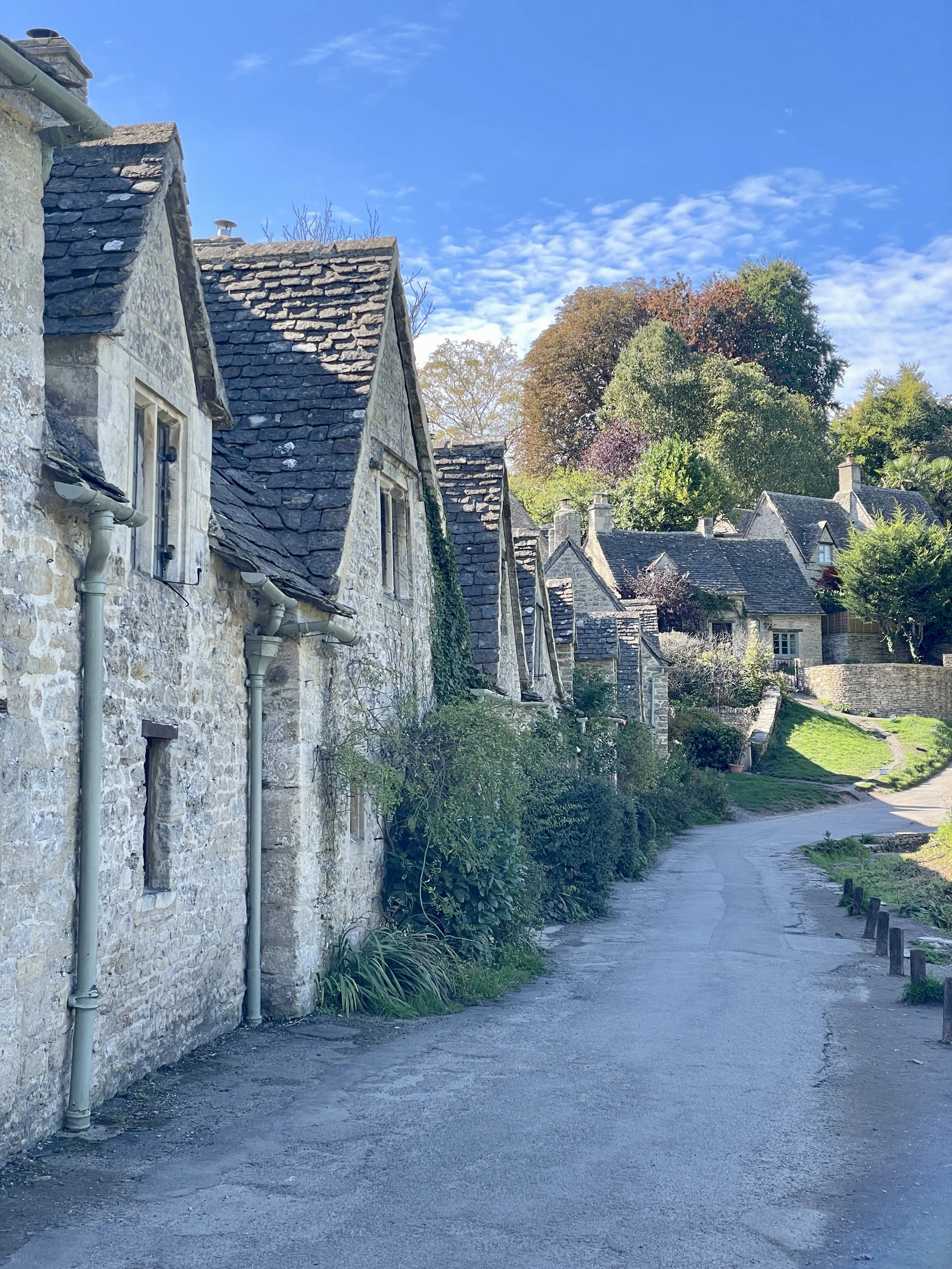
Bibury is home to Arlington Row, a line of 14th-century monastic wool stores converted into weavers' cottages. This single row of lopsided, stone-tiled dwellings is arguably the most photographed residential street in the UK. Beyond the Row, the village offers a sophisticated culinary scene anchored by Eleven, a contemporary restaurant and grill designed by Laurence Llewelyn-Bowen. The village also features an ancient working trout farm and the swan-filled River Coln.
Bourton-on-the-Water
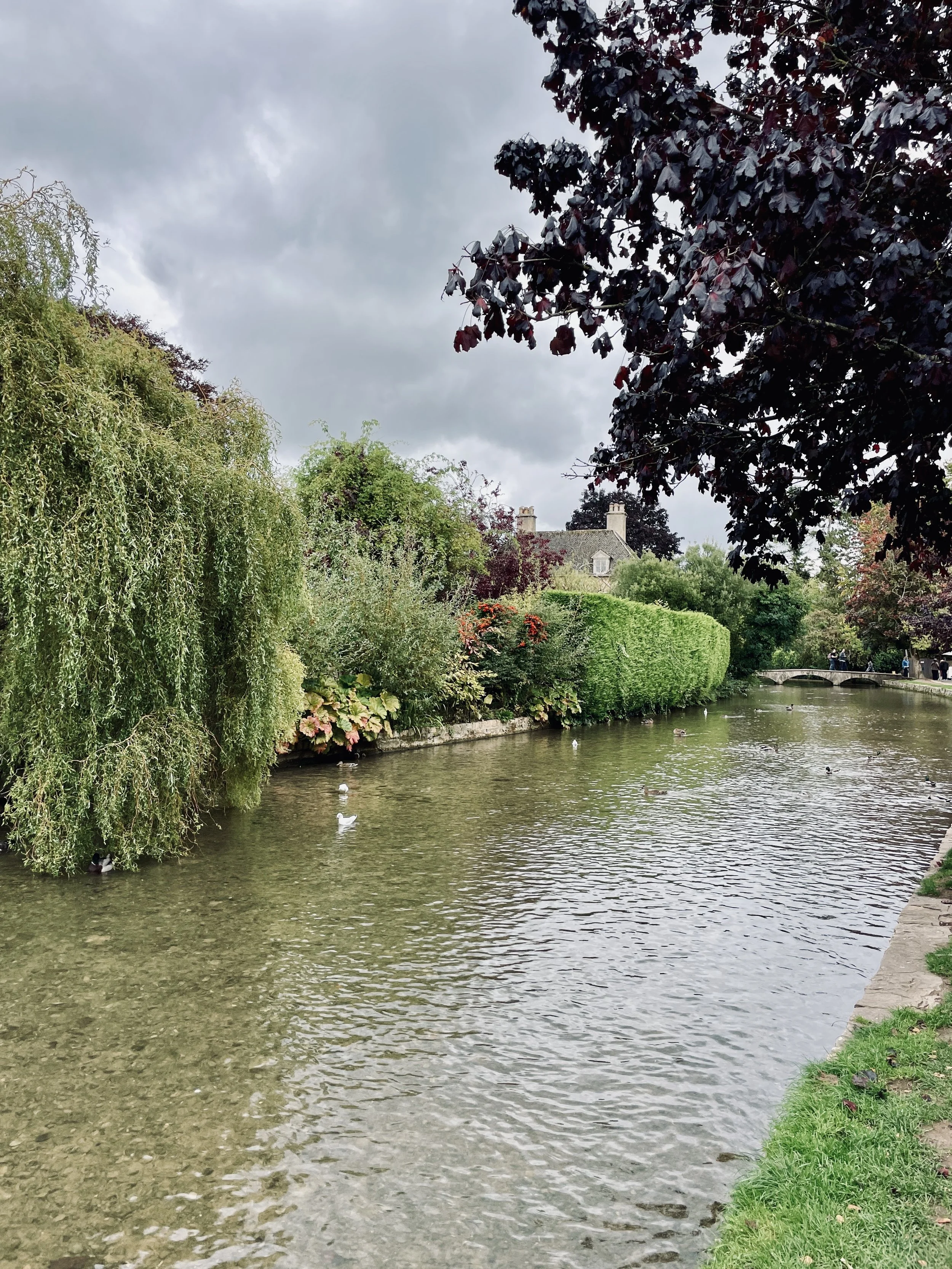
Known as the "Venice of the Cotswolds," this village features the shallow River Windrush flowing through its centre, crossed by five low-arched stone bridges. It is the most social hub of the region, housing a 1930s Model Village—a one-ninth scale replica of the town—and the Cotswold Motoring Museum. While it offers the best range of independent tea rooms, its popularity makes mid-week visits the only way to experience its riverside charm in peace.
Stow-on-the-Wold
The highest town in the Cotswolds, Stow-on-the-Wold was historically the centre of the English wool trade. Its massive Market Square was designed to hold thousands of sheep during its peak trading years. The most famous site here is the "enchanted" north door of St Edward’s Church, which is famously framed by two ancient, living yew trees. Today, Stow serves as a premier destination for high-end antiques, fine art galleries, and independent boutiques.
Broadway
Broadway features a grand, tree-lined High Street that was once a major 16th-century coaching stop for travellers between Worcester and London. It is home to Broadway Tower, an 18th-century folly offering views across sixteen counties. The village has evolved into a hub for luxury wellness and contemporary art, anchored by grand historic inns like the Lygon Arms, catering to a premium demographic seeking a mix of heritage and modern comfort.
The Slaughters
Lower and Upper Slaughter offer a more tranquil, untouched alternative to the busier hubs. Linked by a mile-long riverside path, Lower Slaughter features a 19th-century water mill and a gentle stream running past rose-covered cottages. Upper Slaughter is a "Doubly Thankful" village, notable for losing no residents during either World War. These twin villages focus on the "slow" side of Cotswold life, away from the main tourist trail.
RELATED POSTS

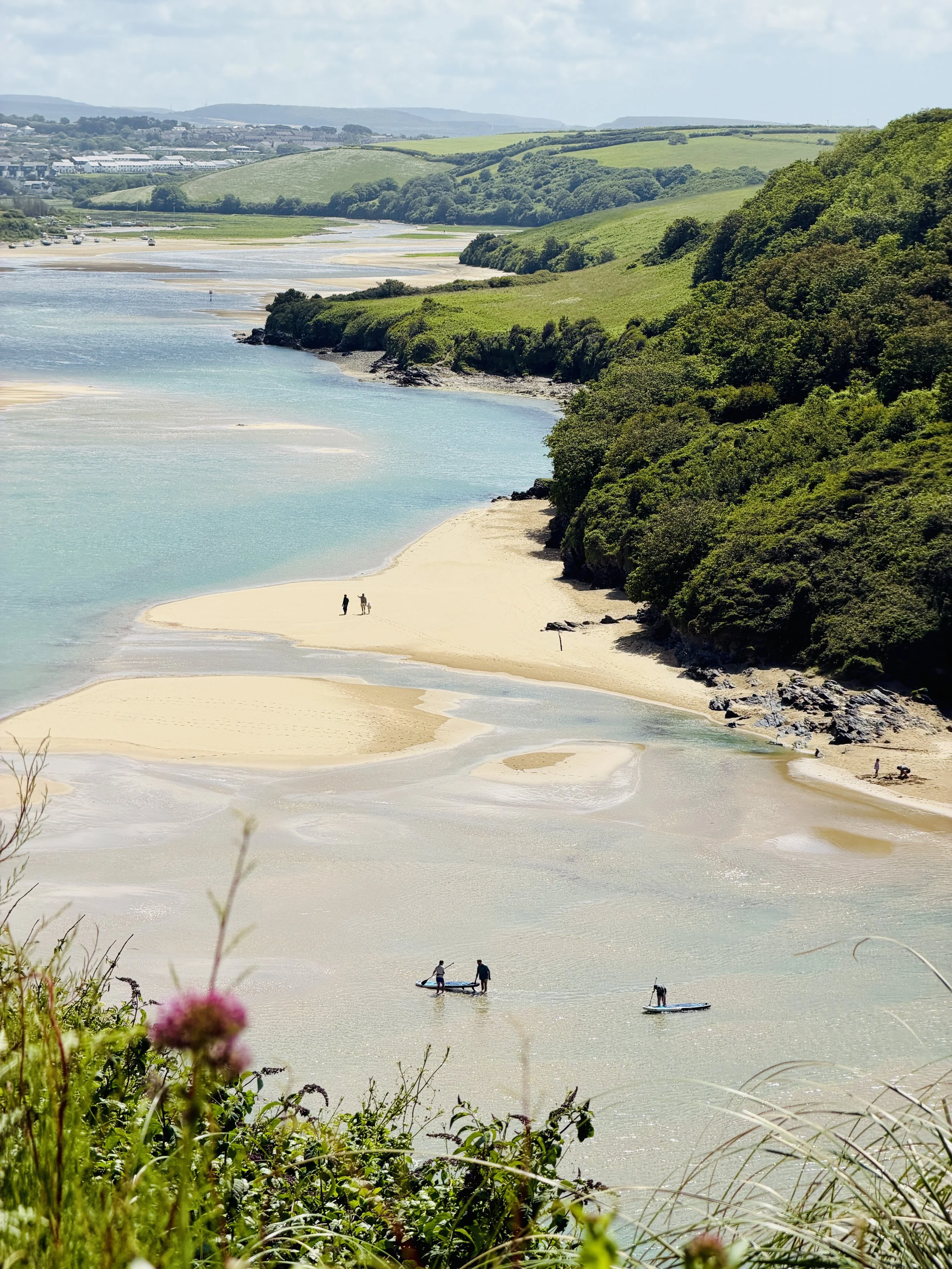
Lincolnshire sits on England’s east coast, where long stretches of open countryside meet an uninterrupted coastline along the North Sea. It is a county defined by space rather than spectacle, where farmland, wetlands and small historic towns sit far apart, connected by quiet roads and wide horizons. Unlike more heavily visited parts of the UK, it moves at a slower rhythm, shaped by agriculture, seasonal tourism and coastal wildlife. This sense of scale is what makes it particularly appealing in summer, when daylight stretches late into the evening and the landscape feels even more open and accessible.